

Singer Island · Pros and Cons
Pros and Cons of Living on Singer Island, Florida
Ocean access on one side; condominium ownership and barrier-island logistics on the other. What to weigh, and what to verify, before you buy.
By Christine DekantUpdated
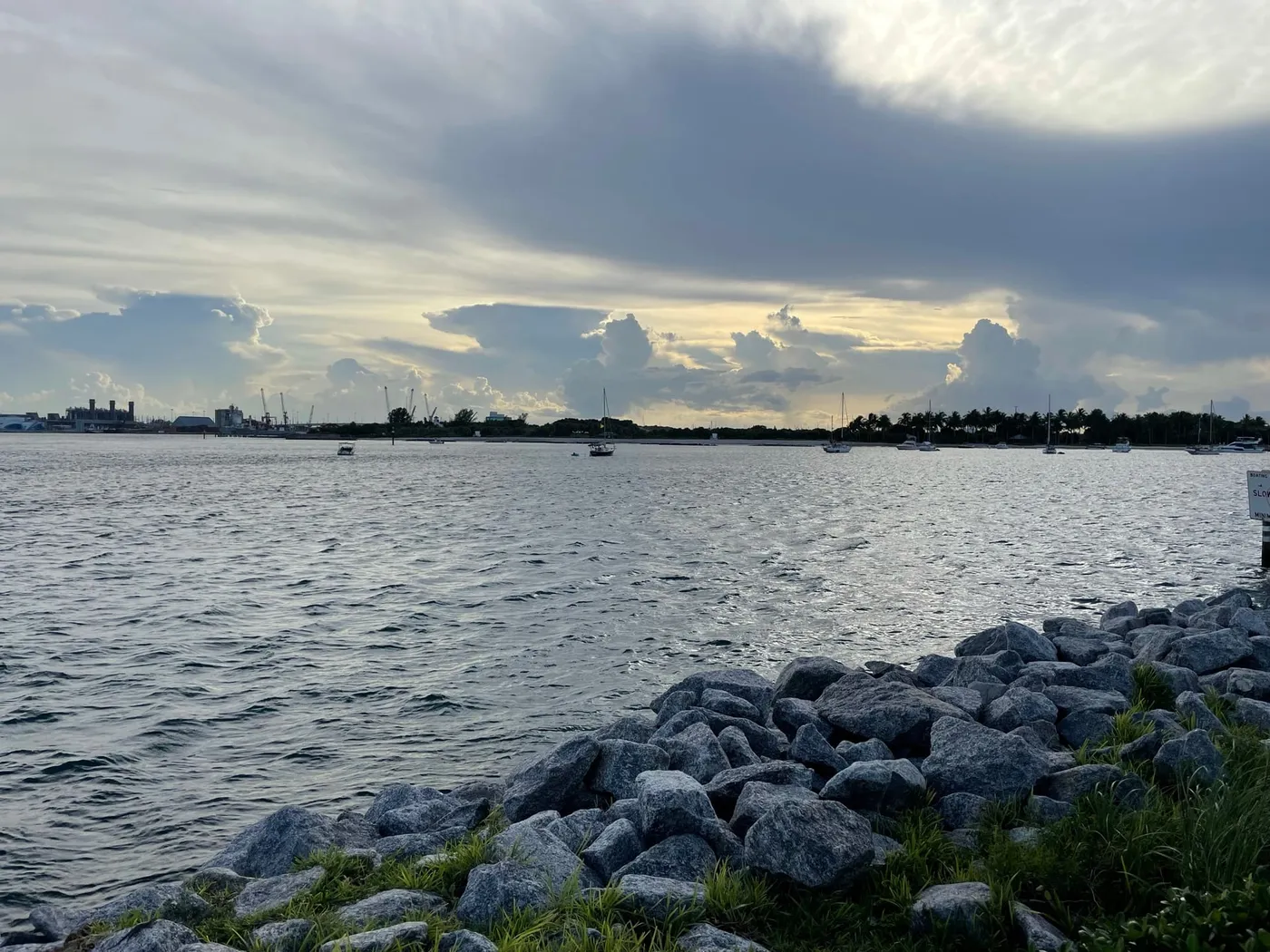
A container ship in the Lake Worth Inlet at sunset, seen from the south tip of Singer Island
Singer Island can be exceptional for someone who wants the Atlantic to shape daily life: the beach before work, the water in view, the ocean as the backdrop to ordinary days.
But the decision rarely turns on the view. It turns on the building's documents, the real cost of ownership, the daily logistics of a barrier island, and whether a condominium or a house is the right kind of home for you.
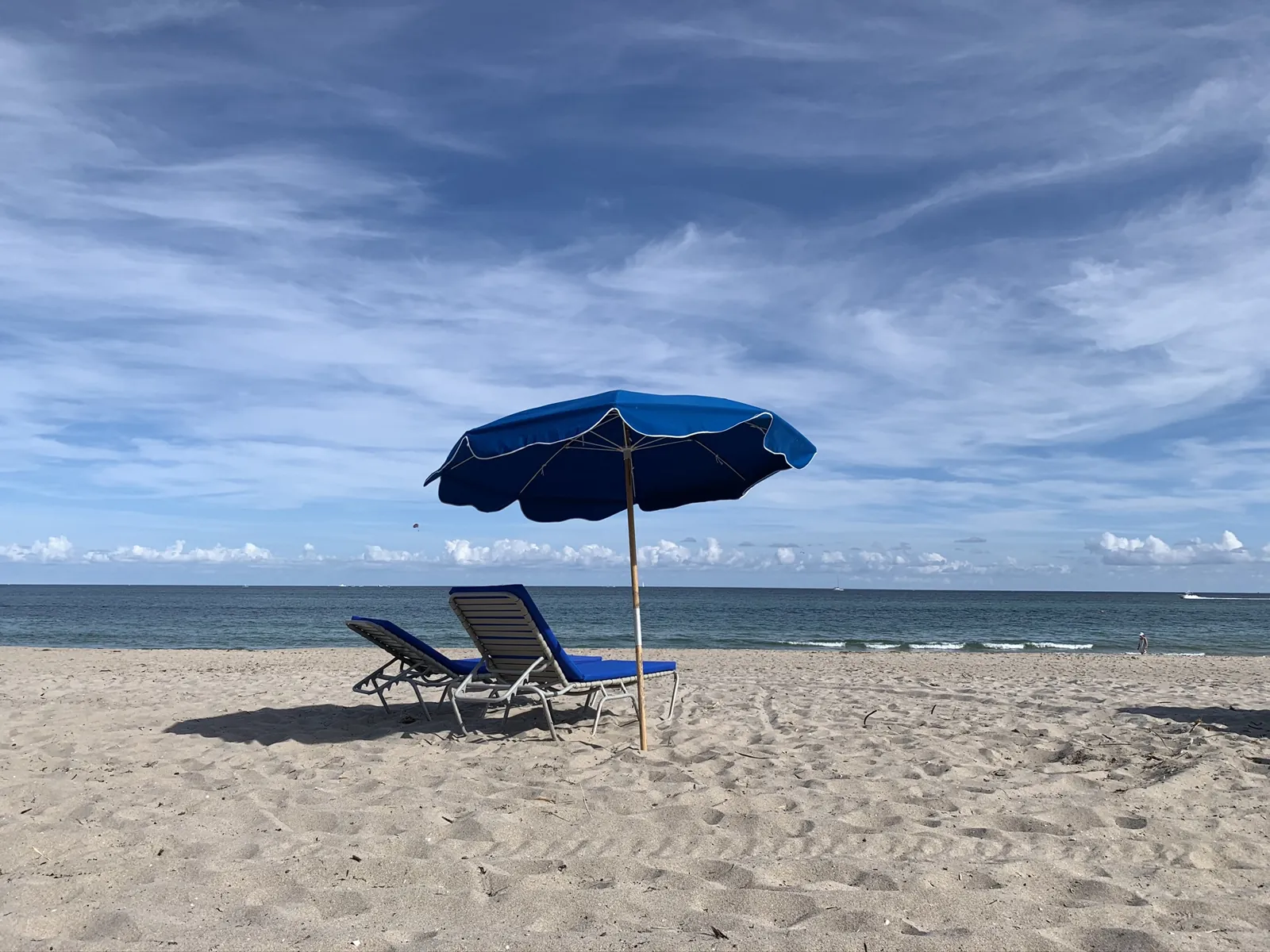



Singer Island: the real trade-off
What tends to feel worth it
- Everyday proximity to the beach and the water
- A compact coastal setting
- Condominium options with shared amenities, where the building offers them
What requires active acceptance
- Shared governance through an association
- Building-specific financial exposure
- Errands and commutes that mean driving, and crossing a bridge
- Salt-air upkeep
- Emergency and storm planning
In this guide
What you are genuinely getting
The beach and the water as part of daily life. For many owners this is the whole point: the ocean close enough to use on an ordinary weekday, not just on vacation. How close, and what you see, depends on the building, the floor, the exposure and the home type, so judge the specific unit rather than the island.
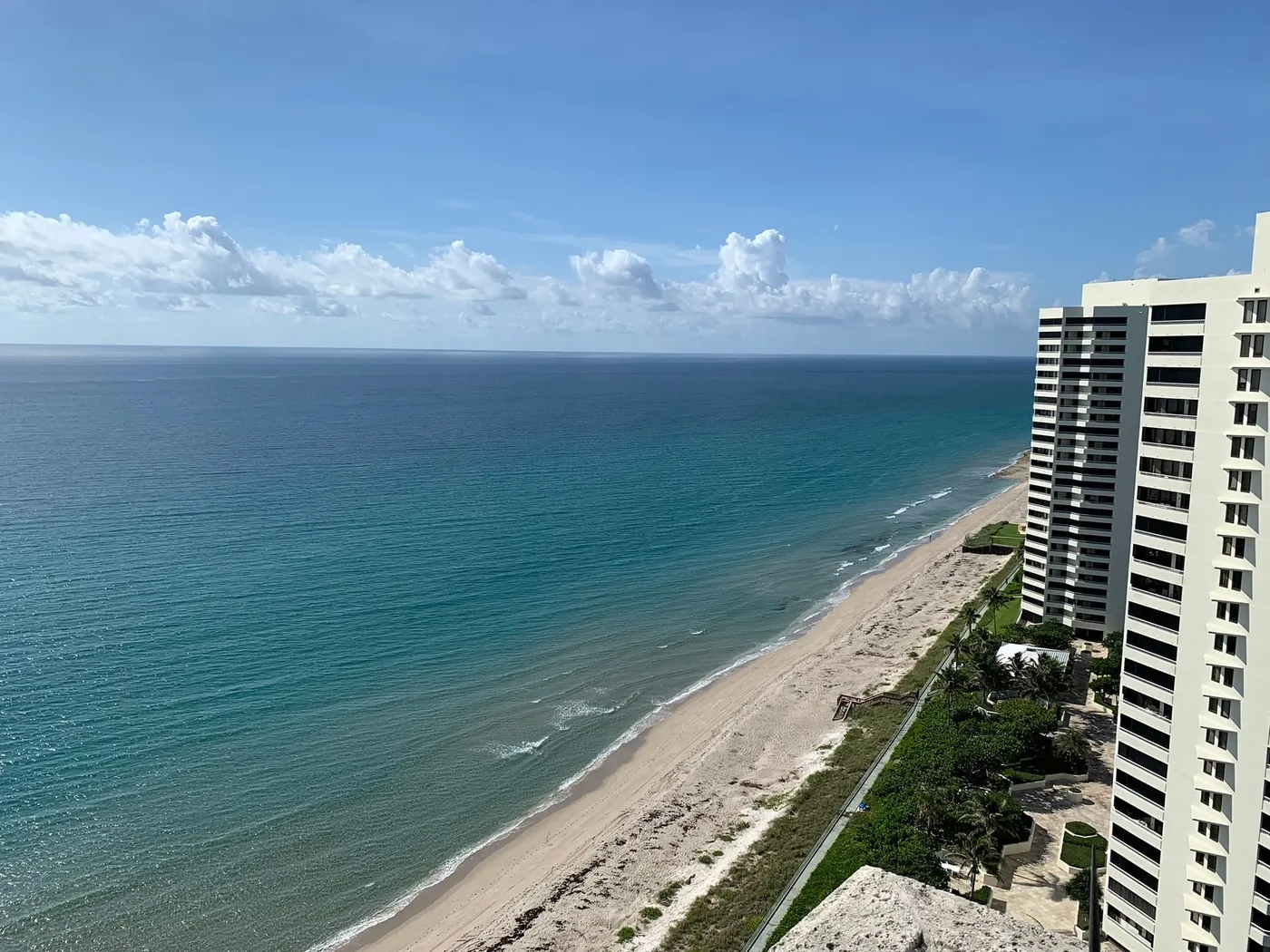
Water recreation close at hand. Snorkeling at Phil Foster Park beneath the Blue Heron Bridge, paddling at John D. MacArthur Beach State Park, and boating from the island's south end are all nearby. Conditions, access and availability change with the weather and the water, so check before you go; our guide to things to do on the island links the official pages.
A compact setting. The island is small enough to learn quickly, with the ocean on one side and the lagoon on the other. Some people find that simple; others find it confining.
Shared amenities, where a building has them. Many condominiums offer pools, fitness rooms, beach access and staff, and the association maintains the building and grounds. That isn't the same as having no responsibility: you pay for it, and you share in the decisions and the costs.
What you are genuinely taking on
Shared governance. In a condominium, a board decides on budgets, repairs, rules and projects, and every owner is bound by the declaration, bylaws and rules. Read them, and read recent board minutes, before you commit.
Monthly costs that can change. Association fees rise with insurance, maintenance and reserve funding. Florida requires milestone structural inspections for condominium buildings of three or more habitable stories under section 553.899, Florida Statutes, and repairs they identify, along with reserve requirements, can lead to higher fees or special assessments. Ask what a building has already done, what is pending, and what is planned.
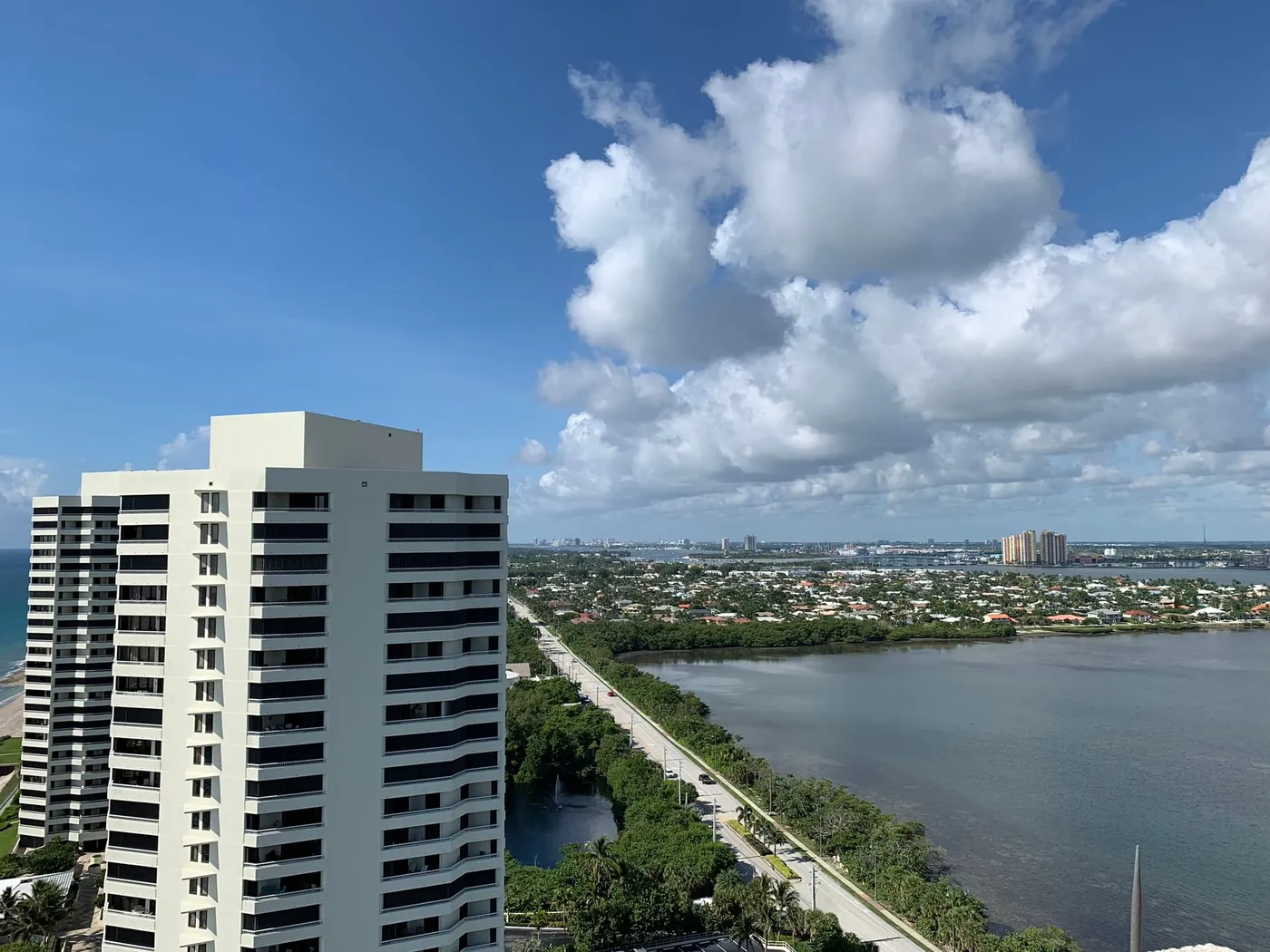
Insurance layers. In a condominium, the association's master policy covers the building and common areas, and your own unit-owner (HO-6) policy covers what the master policy doesn't. The Florida Department of Financial Services explains how homeowner and condo coverage works, including loss-assessment coverage. Where the boundary sits is set by the association's documents and policies, so confirm it for the exact unit.
Conditions to investigate, not assume. Salt air shortens maintenance intervals for cars, railings, hinges and air-conditioning equipment. Wind and surf noise, road noise, parking, storage and guest parking vary by building and by unit. Visit at different times of day, and ask what conveys with the unit.
Driving and bridges. The island is primarily residential and recreational, so most errands mean driving, and trips to the mainland cross a bridge. Bridge openings and traffic can affect daily routines. Check Palm Beach County's bridge information and test the routes you'll actually use.
Storms and sea turtles. Evacuation zones and flood exposure depend on the exact address, so look them up rather than relying on the island's name. Lighting that is visible from the beach can matter during sea turtle nesting season; requirements depend on the property, the association, the municipality and state guidance, so verify them for the exact home or building.
The due-diligence questions that matter before an offer
This is practical education, not legal, insurance, tax or engineering advice. Use qualified professionals for your own purchase. Our condo due-diligence checklist lists the documents to request and why.
| Ask for | Why it matters | Verify with |
|---|---|---|
| Current budget, fee history, reserve and structural integrity reserve study information where applicable, recent financial statements | Shows what ownership costs now and whether the building is funding future repairs | The association and its manager; your attorney |
| Approved, pending and anticipated special assessments | Assessments can be a large, separate cost on top of the monthly fee | Association records and board minutes |
| Milestone or structural inspection reports and repair status, where applicable | Shows the building's condition and what work is still to come | The association; section 553.899 |
| Master-policy declarations, deductibles, your HO-6 needs and loss-assessment coverage | Defines what you insure yourself and what you could be assessed after a loss | Your insurance agent; the Department of Financial Services overview |
| Rental, pet, occupancy, parking, storage, renovation and board-approval rules | Determines how you can actually use, rent, change and sell the unit | The declaration, bylaws and rules |
| Your routes for daily trips, commutes, flights and appointments | Bridge openings and traffic shape daily life | County bridge information; a test drive at your usual times |
| Hurricane evacuation zone and flood zone for the exact address | Exposure varies by address, not by island | Palm Beach County's Know Your Zone; FEMA's Flood Map Service Center |
| Beachfront lighting requirements, if the property is visible from the beach | Lighting rules can affect fixtures, windows and common areas | The association, the municipality and FWC lighting guidance |
For how to read a building's milestone inspection once you have it, see CondoWPB's Singer Island milestone-inspection buyer guide.
The answer changes with the home type
| Home type | How ownership works | Check before an offer |
|---|---|---|
| Oceanfront and Intracoastal condominiums | You own a unit and share the building, grounds and costs through the association | Association documents, finances, inspections, insurance and rules |
| Palm Beach Shores single-family homes | You own the house and lot, in a separate incorporated town with its own government | Roof, wind and flood insurance, elevation, permits and town rules |
| Palm Beach Isles and Yacht Harbor single-family homes | You own the house and lot in these lagoon-side neighborhoods of Riviera Beach, some on the water | Dock and seawall condition, insurance, elevation, permits and property records |

None of these is better in the abstract. A condominium trades some control for shared maintenance and amenities; a house trades shared costs for direct responsibility. Single-family supply on the island is limited, and neighborhood names in listings vary, so confirm the municipality and the property records for each address.
Things that are neither a pro nor a con
Several features are matters of preference rather than quality.
Density. A line of towers along the beach reads as a skyline to some people and a wall to others. How much of it you notice depends on the building and the unit.
Seasonal rhythm. Some buildings have more seasonal owners than others, so activity can change through the year. Ask the association about occupancy patterns in the building you're considering.
Compact scale. The island is small. Some find that easy and familiar; others find it confining.
A working inlet and port. The Lake Worth Inlet at the island's south end serves the Port of Palm Beach, so cargo ships, tugs and sportfishing boats share the water. Some people find that a spectacle; others would rather not see industry from the balcony.
Taxes in context. Florida does not impose a personal income tax. That doesn't offset property taxes, insurance or association costs, and it isn't personal tax advice; ask a tax professional how it applies to you.
How to decide before you buy
- Spend meaningful time near the actual building or home, at the times of day that matter to you.
- Review the documents with qualified professionals.
- Price insurance using the exact property and association information.
- Test the routes you will actually use: the commute, the airport run, medical trips and errands.
- Look up the exact address in Palm Beach County's Know Your Zone and FEMA's flood maps.
- Rent first only where the building's actual rental rules allow it.
If you've done all six and still want to wake up on the Atlantic, Singer Island will likely reward you. If the documents, costs or logistics already feel like a burden, that's worth listening to before you buy, not after. Our honest fit guide and cost of living breakdown go further.
Community Guide
Neighborhoods, schools, prices, and lifestyle — all in one place.
Free Relocation Decision Guide
Palm Beach County or the Treasure Coast?
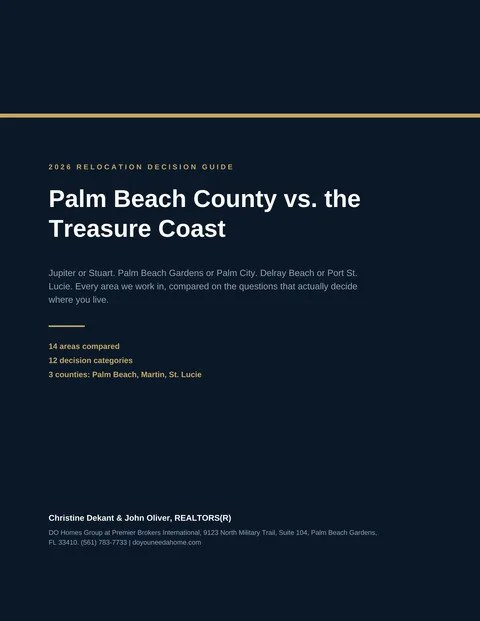
A side-by-side comparison of 14 areas we actually work in — from Boca Raton to Port St. Lucie — across 12 things that decide where you should live.
Singer Island Market Trends
Live MLS list-price data only: asking prices, not closed sales.
Singer Island Single-Family Homes for Sale
Single-family homes $500k+ in Palm Beach Isles, Yacht Harbor and Palm Beach Shores, updated daily. Shopping for a condo? Search Singer Island condos →
Frequently Asked Questions
What are the main advantages of living on Singer Island?
The beach and the water as part of daily life, water recreation close at hand, a compact setting, and shared amenities where a building has them. How close the ocean is, and what you see, depends on the building, the floor, the exposure and the home type.
What are the main drawbacks of living on Singer Island?
Shared governance in a condominium, monthly costs that can change, layered insurance, salt-air upkeep, and daily logistics that mean driving and crossing a bridge. Noise, parking and storage vary by building and unit, so investigate them rather than assume.
How does insurance work for a Singer Island condo?
In a condominium, the association's master policy covers the building and common areas, and your own unit-owner (HO-6) policy covers what the master policy doesn't. Ask for the master-policy declarations and deductibles, and ask your agent about HO-6 and loss-assessment coverage. Where the boundary sits is set by the association's documents and policies, so confirm it for the exact unit.
What should I ask a Singer Island condo association before making an offer?
The current budget, fee history, reserve and structural integrity reserve study information where applicable, and recent financial statements; approved, pending and anticipated special assessments; milestone or structural inspection reports and repair status where applicable; master-policy declarations and deductibles; and the rental, pet, occupancy, parking, storage, renovation and board-approval rules. This is practical education, not legal, insurance, tax or engineering advice.
How do I check hurricane evacuation and flood risk for a Singer Island address?
Evacuation zones and flood exposure depend on the exact address, so look them up rather than relying on the island's name: use Palm Beach County's Know Your Zone lookup and FEMA's Flood Map Service Center.
Do sea turtle lighting rules affect Singer Island property?
They can. Lighting that is visible from the beach can matter during sea turtle nesting season; requirements depend on the property, the association, the municipality and state guidance, so verify them for the exact home or building.
Does Florida have a state income tax?
Florida does not impose a personal income tax. That doesn't offset property taxes, insurance or association costs, and it isn't personal tax advice; ask a tax professional how it applies to you.
Keep Reading
This article is provided by DO Homes Group at Premier Brokers International for informational purposes only and does not constitute legal, financial, tax, or investment advice. Market statistics, pricing, availability, HOA fees, and community details change frequently and may have changed since publication. School assignments, boundaries, and ratings may change — verify all school information directly with the appropriate school district, and consult official public safety resources for any crime data relevant to your search. Verify all details independently and consult the appropriate licensed professionals before making any real estate decision. DO Homes Group is committed to Equal Housing Opportunity and does not discriminate on the basis of race, color, religion, sex, handicap, familial status, or national origin.