

Singer Island · Cost of Ownership
Cost of Living on Singer Island, Florida
Taxes, insurance, condominium fees and reserves, upkeep and second-home planning: what to budget beyond the listing price, and how to find the numbers for a specific property.
By John OliverUpdated
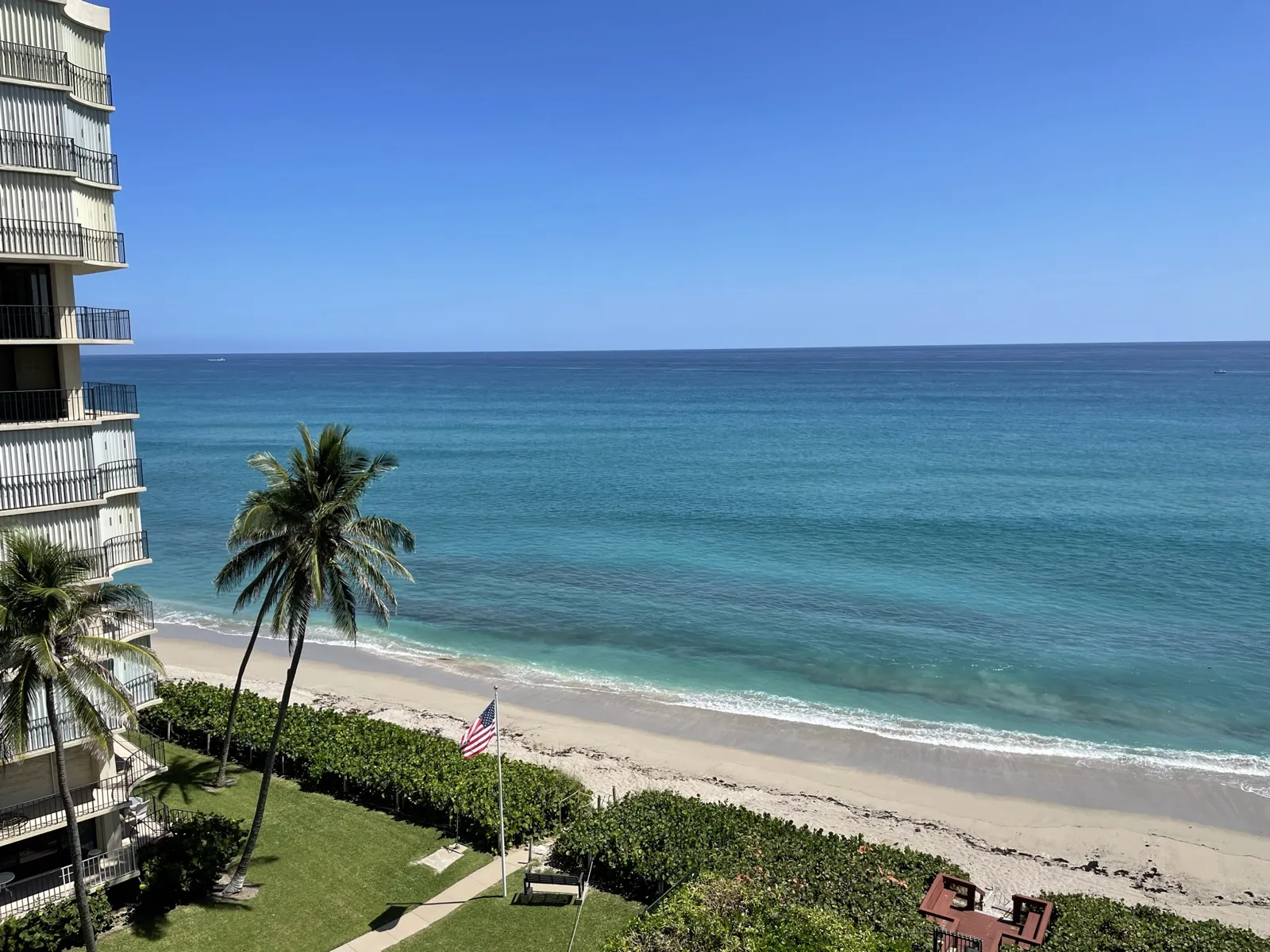
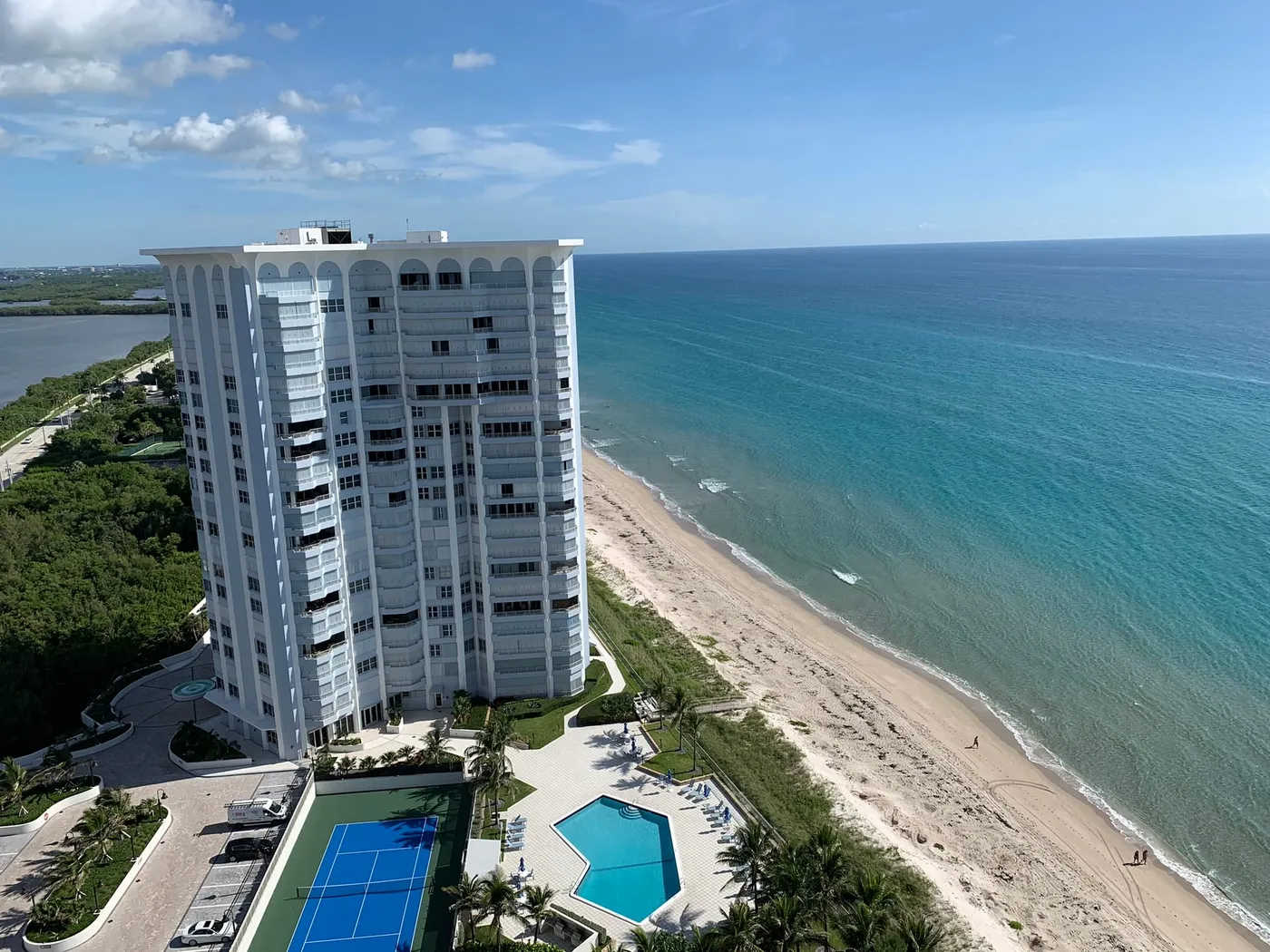
Singer Island's towers and house streets, looking south to the lagoon and Peanut Island
On Singer Island, the purchase price tells you surprisingly little about what it costs to own. The real number is the total cost of ownership: taxes, insurance, association fees and reserves, upkeep, and the costs that can change after you buy.
That number depends on the exact property: condominium or house, which municipality, which building, and how you plan to use it. What follows is a framework for finding it. Which items apply, and how much each costs, varies by property.
Your Singer Island ownership number
One-time and closing costs to estimate
- Down payment and financing costs
- Closing costs and title work
- Inspections, surveys and appraisal
- Any association application or transfer fees
Recurring monthly or annual costs
- Mortgage payment
- Property taxes and any non-ad valorem assessments
- Insurance: homeowners or HO-6, wind and flood as applicable
- Condominium or association fees
- Utilities not included in a fee
- Maintenance and reserve allowances
Building- or property-specific costs that can change
- Special assessments, approved or proposed
- Fee increases tied to insurance, repairs or reserves
- Insurance deductibles after a loss
- Parking, storage or amenity charges
- Dock, marina and boat costs, if boating matters
In this guide
Housing: compare ownership models, not markets
Singer Island's homes fall into a few ownership models, and each carries different costs to investigate.
| Home type | Cost categories to investigate |
|---|---|
| Oceanfront and Intracoastal condominiums | Association fee and what it covers, reserves and structural integrity reserve study where applicable, special assessments, the master policy and your HO-6 policy, parking and storage |
| Palm Beach Shores single-family homes | Property taxes in a separate incorporated town, homeowners, wind and flood insurance, roof and openings, exterior maintenance, permits under town rules |
| Palm Beach Isles and Yacht Harbor single-family homes | Property taxes in Riviera Beach, homeowners, wind and flood insurance, roof and openings, and on waterfront lots, dock and seawall condition |
Listings don't always use these names, so confirm the municipality and property records for the exact address. Our area guide covers where each type sits on the island.
Property taxes: why the listing's number may not be yours
The tax figure on a listing reflects the property's current assessment and the current owner's exemptions. It is not automatically your future bill.
A sale changes the assessment. After a change of ownership, Florida reassesses the property at just value as of the following January 1, and the prior owner's exemptions and Save Our Homes benefit do not carry over. The Florida Department of Revenue's guide for new homeowners (PT-107) explains how this works.
Homestead depends on you, not the location. The homestead exemption and the Save Our Homes assessment limitation depend on whether the property is your permanent residence and whether you apply, not on where it is. The Department of Revenue summarizes the exemptions and Save Our Homes.
Portability is individual. If you are giving up a prior Florida homestead, you may be able to transfer some of its Save Our Homes benefit. Whether you qualify, and how much transfers, depends on your situation; verify it with the Palm Beach County Property Appraiser.
The parcel sets the rates. Local millage and non-ad valorem assessments depend on the exact parcel and jurisdiction: most of the island is in the City of Riviera Beach, and the south end is the Town of Palm Beach Shores. The Tax Collector's Tax Planner & Services Guide explains the bill and its deadlines.
Estimate your projected taxes from the exact parcel with the Property Appraiser or a qualified tax professional.
Insurance: quote the exact property early
Insurance depends on the property, the ownership type, how you'll use it, and the carrier's underwriting, so quote the exact address as early as practical.

Single-family homes. You insure the structure yourself: homeowners and wind coverage, deductibles, and any flood coverage. Underwriting typically looks at the roof, opening protection, construction, occupancy and use, and the property's own location and elevation.
Condominiums. The association's master policy covers the building and common areas as its documents define them, and its premium and deductibles feed into the association's budget. Your own unit-owner (HO-6) policy covers what the master policy doesn't, typically your interior, personal property and liability, and can include loss-assessment coverage for your share of a loss to common property. The Florida Department of Financial Services explains homeowner and condo coverage.
Flood. Standard homeowners policies don't cover flood damage. Flood coverage is bought separately or added by endorsement, depending on the policy; the Department of Financial Services' flood insurance overview explains the options.
Ask for quotes tied to the exact address, the ownership type, how you'll occupy the property and, for a condo, the association's master-policy information.
For a condominium, the documents drive the number
In a condominium, your costs depend on the association as much as on the unit. Florida requires milestone structural inspections for certain condominium buildings of three or more habitable stories under section 553.899, and structural integrity reserve studies for certain associations under section 718.112. Which requirements apply to a building, and when, depends on its height, age and other factors, and the rules have been amended more than once; ask the association and qualified professionals rather than assuming. The condo-specific side of the household budget is laid out in the condo-specific ownership-cost framework on CondoWPB.com.
| Request | What it can reveal | Who should review it |
|---|---|---|
| Current budget and fee history | What ownership costs now and how fast it has been rising | You and your attorney |
| Reserve schedules, and the structural integrity reserve study where applicable | Whether the building is funding future repairs | Your attorney; an engineer or reserve specialist if needed |
| Milestone inspection status and reports, where applicable | The building's condition and any required repairs | Your attorney; an engineer |
| Completed, pending and planned repairs | Projects that may affect fees or assessments | Your attorney; an engineer |
| Special-assessment history and proposals | Costs that can arrive on top of the monthly fee | You and your attorney |
| Master-policy declarations and deductibles | What the association insures and what you may be assessed after a loss | Your insurance agent |
| Rental, pet, occupancy, parking and storage rules | How you can use the unit, and what costs extra | You and your attorney |
| Litigation disclosures | Disputes that may affect finances or financing | Your attorney |
| Board minutes and the governing documents | Decisions under discussion and the rules you'll be bound by | You and your attorney |
Our condo due-diligence checklist sets out what to request and why, so you can ask for all of it at once.
For a house, the responsibility is less shared
In a house, the costs a condominium association would share fall to you. Budget for the exterior, the roof, openings and shutters or impact protection, air conditioning, landscaping, utilities, and the insurance deductibles you'd carry after a loss, as well as any flood considerations for the property.
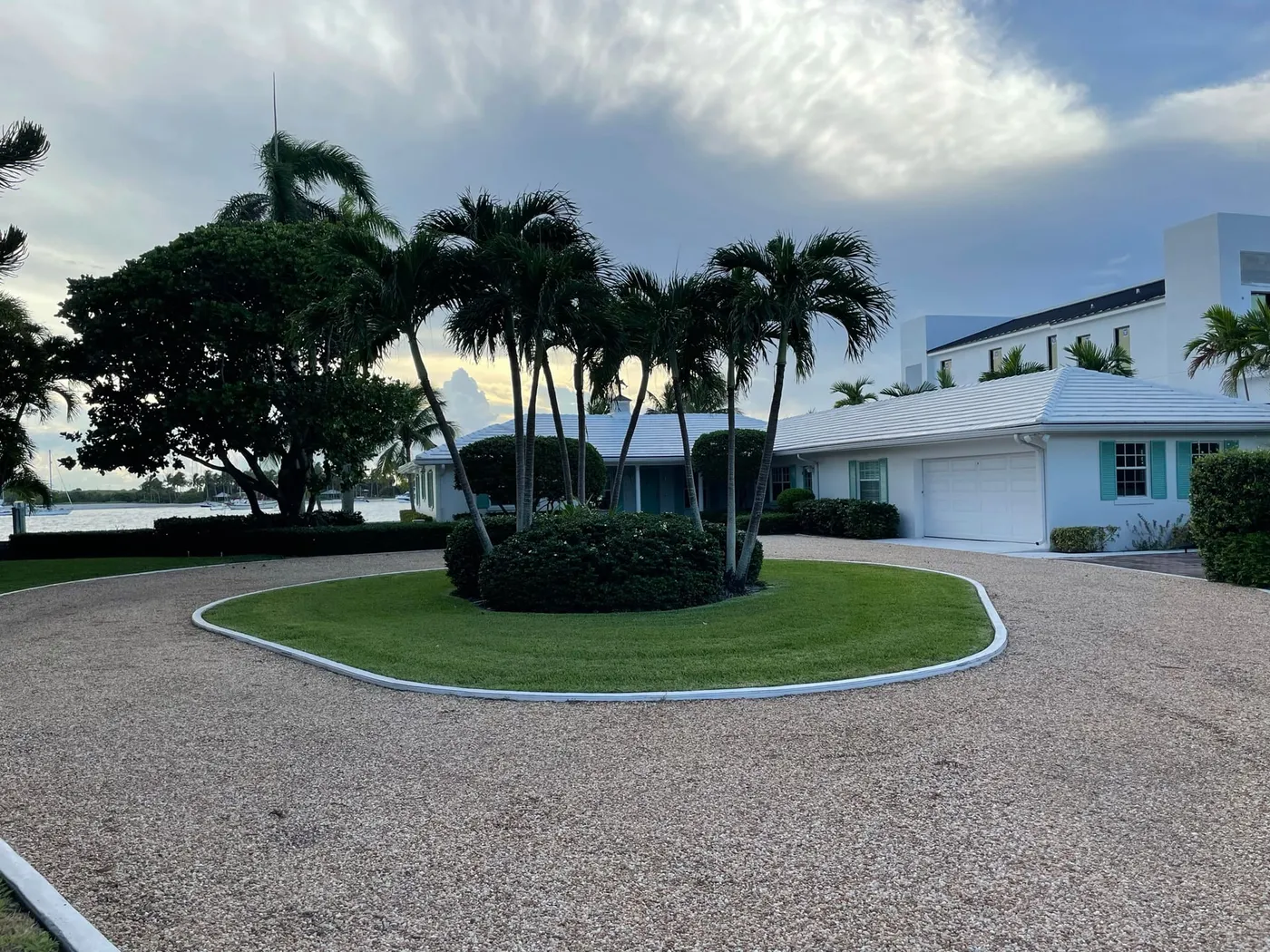
On the water, add the dock, the seawall and any boat lift, with their inspection and maintenance. How much each costs depends on the property's age, construction, condition and exposure, so price the specific house with inspectors and contractors rather than relying on a general figure.
Everyday and optional costs: confirm before you buy
- Which utilities, services, parking, storage and amenities does a condominium fee include?
- What remains the owner's responsibility?
- What will your actual commute, errands, groceries, dining and airport trips cost in time and fuel?
- If boating matters, what are the property-specific dock, marina, maintenance and insurance costs?
- What storm-preparation equipment and planning are already in place for this exact home or building?
Evacuation zones depend on the exact address; check Palm Beach County's Know Your Zone and follow current official guidance.
Second-home ownership
If this will be a second home, model these specifically:
- Projected property tax, without assuming the seller's homestead status carries over, since a second home is not your permanent residence.
- Occupancy and use as you'll represent them to insurers.
- Association fees and assessments, which continue while you're away.
- Management and maintenance for a home that sits unoccupied part of the year.
- Rental income only where the building's governing documents actually permit rentals, and on their terms.
Whether a condominium or a house suits a second home depends on the property and how you plan to use it.

Run your real number
1. Identify the exact property type and jurisdiction. 2. Estimate projected taxes using the exact parcel and qualified local guidance. 3. Obtain insurance quotes tied to the exact address and ownership plan. 4. Read all relevant condominium documents, or price the house's maintenance honestly. 5. Add recurring fees, realistic utilities, and reserve and maintenance allowances. 6. Separate regular expenses from event risk, such as deductibles, major repairs or assessments. 7. Review the numbers with appropriate tax, insurance, lending, legal and inspection professionals.
This article can't tell you whether a property fits your budget. It can tell you what to calculate, and once you have those numbers, the decision gets much clearer. When you're ready to compare, see how Singer Island compares with nearby cities.
This is general information, not tax, insurance, legal or financial advice. Rates, rules and requirements change; verify them for the exact property with the Palm Beach County Property Appraiser and Tax Collector, a licensed insurance agent, the association's documents, and qualified professionals.
Community Guide
Neighborhoods, schools, prices, and lifestyle — all in one place.

Free Relocation Decision Guide
Palm Beach County or the Treasure Coast?
A side-by-side comparison of 14 areas we actually work in — from Boca Raton to Port St. Lucie — across 12 things that decide where you should live.
Singer Island Market Trends
Live MLS list-price data only: asking prices, not closed sales.
Singer Island Single-Family Homes for Sale
Single-family homes $500k+ in Palm Beach Isles, Yacht Harbor and Palm Beach Shores, updated daily. Shopping for a condo? Search Singer Island condos →
Frequently Asked Questions
What should I include in my Singer Island ownership budget?
One-time and closing costs, such as financing, closing costs, inspections and any association application fees; recurring costs, such as the mortgage payment, property taxes and any non-ad valorem assessments, insurance, condominium or association fees, utilities not included in a fee, and maintenance and reserve allowances; and property-specific costs that can change, such as special assessments, fee increases, insurance deductibles, parking or storage charges, and dock or boat costs. Which items apply, and how much each costs, varies by property.
Will the listing's property-tax figure be my future tax bill?
Not necessarily. The tax figure on a listing reflects the property's current assessment and the current owner's exemptions. After a change of ownership, Florida reassesses the property at just value as of the following January 1, and the prior owner's exemptions and Save Our Homes benefit do not carry over. Estimate your projected taxes from the exact parcel with the Property Appraiser or a qualified tax professional.
Does a condo fee include all insurance and utilities?
Not usually all of them. The association's master policy covers the building and common areas as its documents define them, and your own unit-owner (HO-6) policy covers what the master policy doesn't. Which utilities, services, parking, storage and amenities a fee includes varies by building, so confirm them in the association's budget and documents.
Can a second home qualify for Florida homestead benefits?
The homestead exemption and the Save Our Homes assessment limitation depend on whether the property is your permanent residence and whether you apply, not on where it is. A second home is not your permanent residence, so model its projected taxes without assuming the seller's homestead status carries over.
Which condominium documents should I review before making an offer?
The current budget and fee history; reserve schedules and, where applicable, the structural integrity reserve study; milestone inspection status and reports where applicable; completed, pending and planned repairs; special-assessment history and proposals; master-policy declarations and deductibles; rental, pet, occupancy, parking and storage rules; litigation disclosures; and board minutes and the governing documents. Review them with your attorney and, where needed, an engineer and your insurance agent.
Is flood damage covered by a standard homeowners policy?
No. Standard homeowners policies don't cover flood damage. Flood coverage is bought separately or added by endorsement, depending on the policy.
Keep Reading
This article is provided by DO Homes Group at Premier Brokers International for informational purposes only and does not constitute legal, financial, tax, or investment advice. Market statistics, pricing, availability, HOA fees, and community details change frequently and may have changed since publication. School assignments, boundaries, and ratings may change — verify all school information directly with the appropriate school district, and consult official public safety resources for any crime data relevant to your search. Verify all details independently and consult the appropriate licensed professionals before making any real estate decision. DO Homes Group is committed to Equal Housing Opportunity and does not discriminate on the basis of race, color, religion, sex, handicap, familial status, or national origin.