

Singer Island · Local Guide
A Local's Guide to Singer Island, Florida
Bridges, beaches, two municipalities, condo procedures and hurricane planning: how the island works day to day.
By Christine DekantUpdated
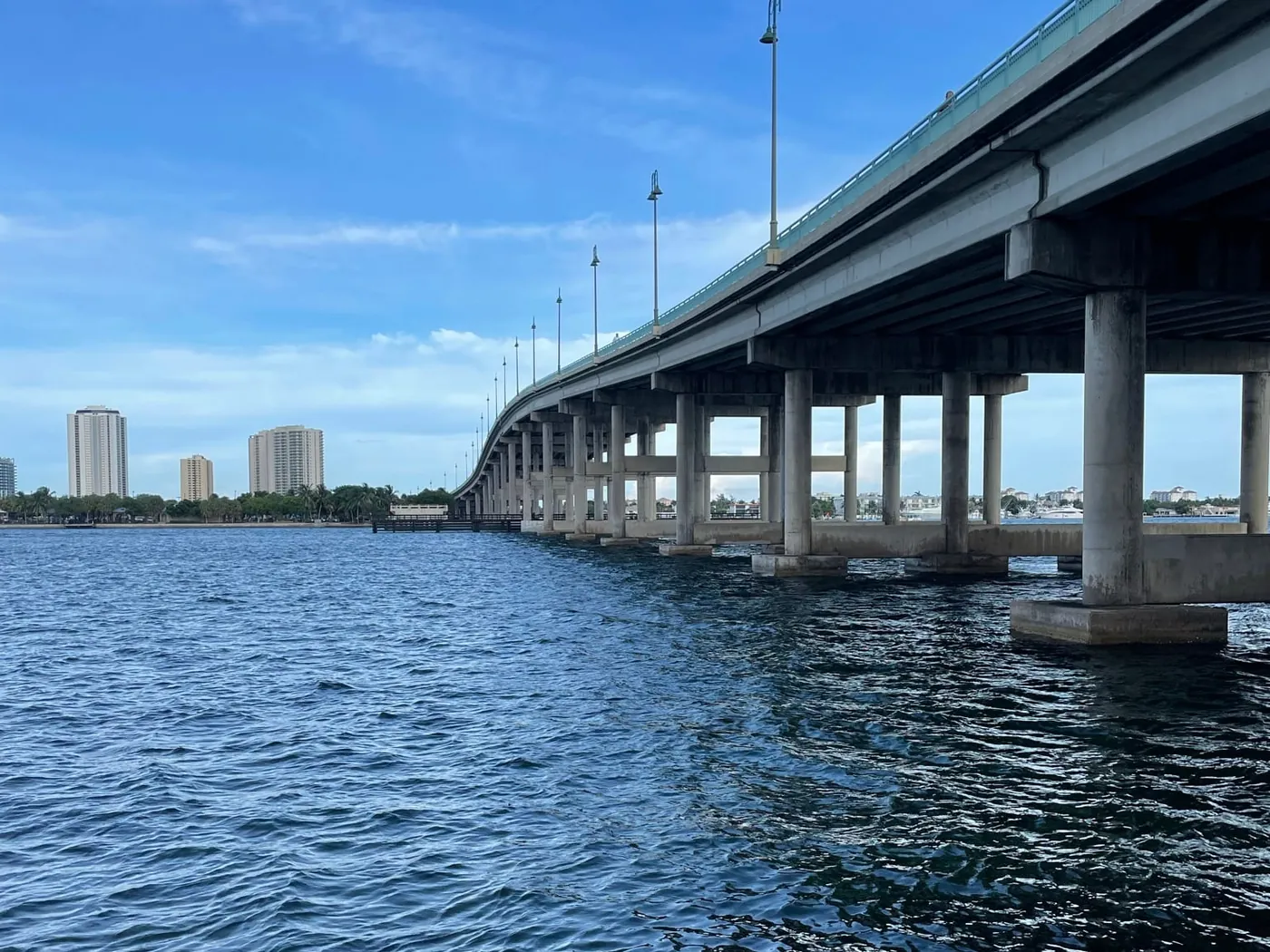
Phil Foster Park, under the Blue Heron Bridge, with Singer Island beyond
The practical layer: how the island works, who governs what, how to get on and off, and the things new residents work out a month too late. For the feel of the place rather than the mechanics, start with what living here is actually like; this is its practical companion.
In this guide
The layout
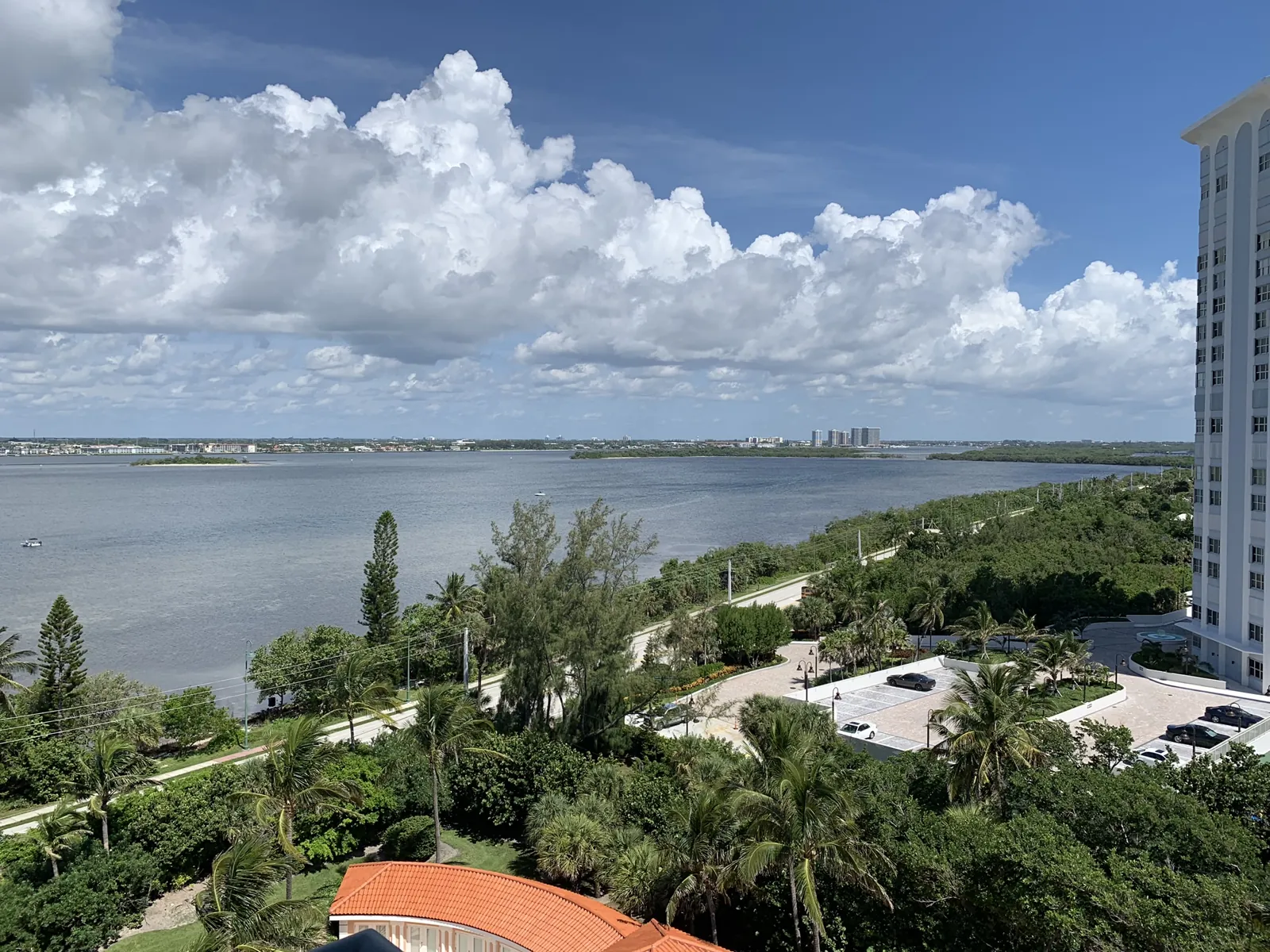
Singer Island is easy to read. One main road runs its length, with the Atlantic to the east and the Lake Worth Lagoon to the west.
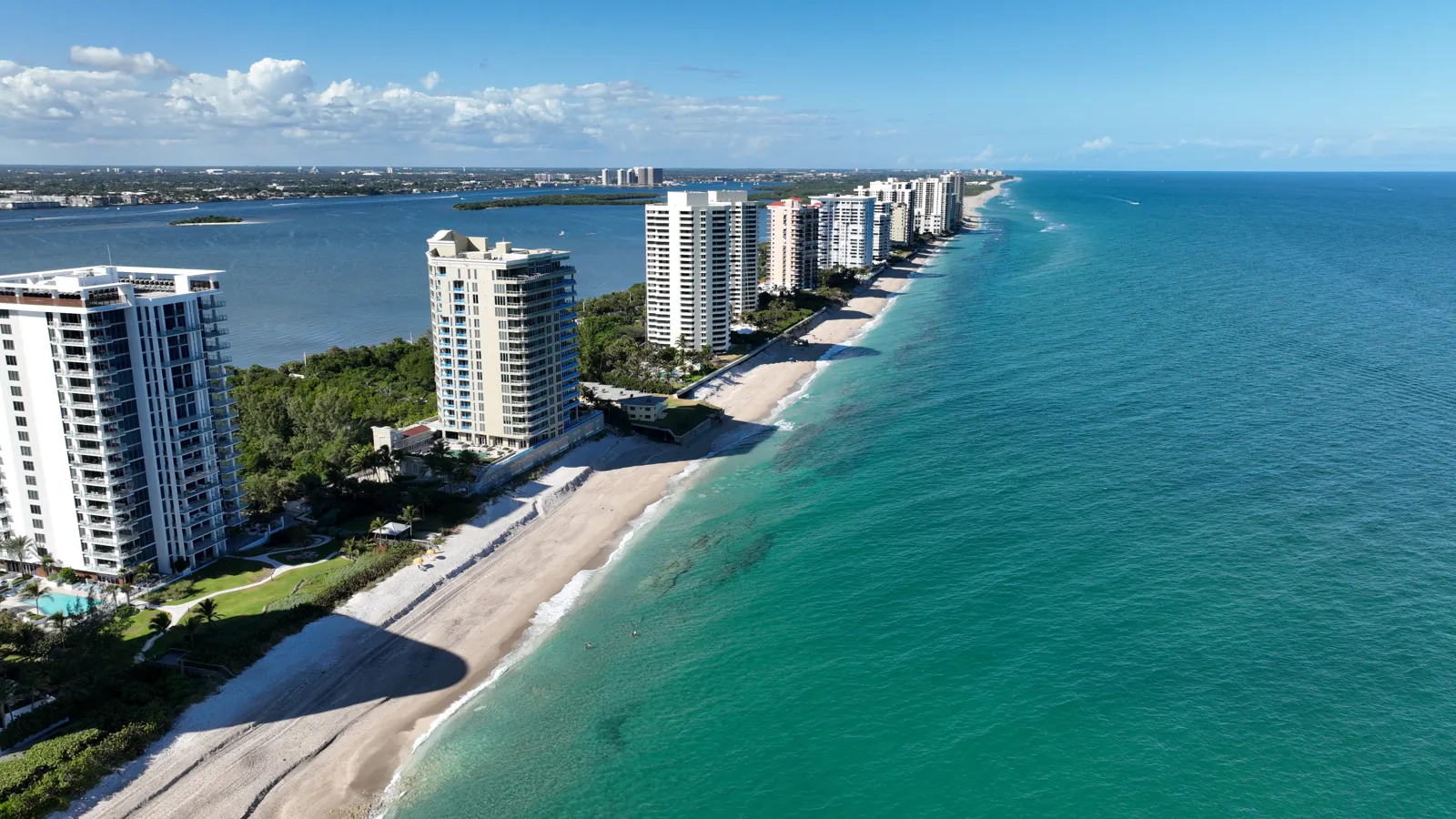
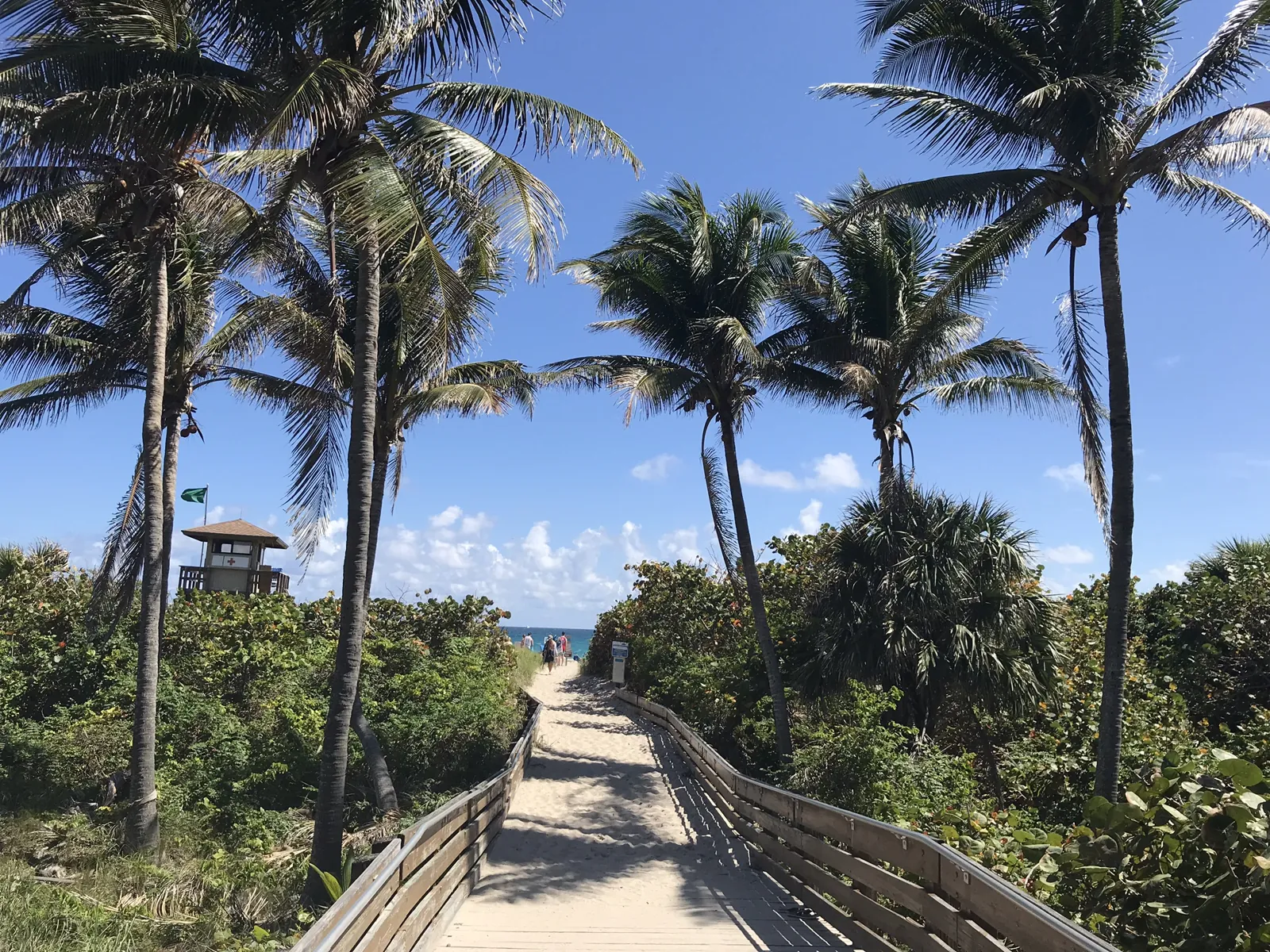

- The north end borders John D. MacArthur Beach State Park, which is in North Palm Beach.
- The middle holds the condominium corridor and the city beach at Ocean Walk, with the house streets of Palm Beach Isles and Yacht Harbor on the lagoon side.
- The south end is the Town of Palm Beach Shores, ending at the Lake Worth Inlet.
That's the whole island. You cannot get lost.
Getting on and off
Singer Island has two practical mainland routes.
Blue Heron Boulevard runs west from the middle of the island over the Blue Heron Bridge to Riviera Beach, toward US-1 and I-95. It's the route most errands use. The Blue Heron Bridge is a fixed bridge; it isn't on Palm Beach County's list of drawbridges.
North along A1A, past MacArthur Beach State Park, the PGA Boulevard bridge leads into Palm Beach Gardens. That one is a drawbridge, and it opens for boat traffic.
Openings, temporary restrictions, construction and season traffic can all affect a trip. Check the current bridge information from Palm Beach County's Engineering Department (external) before relying on a tight connection, such as a flight.
Two municipalities
This surprises people, so it's worth being explicit.
Most of the island is in the City of Riviera Beach. City police, fire rescue, permits, zoning and code enforcement apply, and you pay the city's millage.
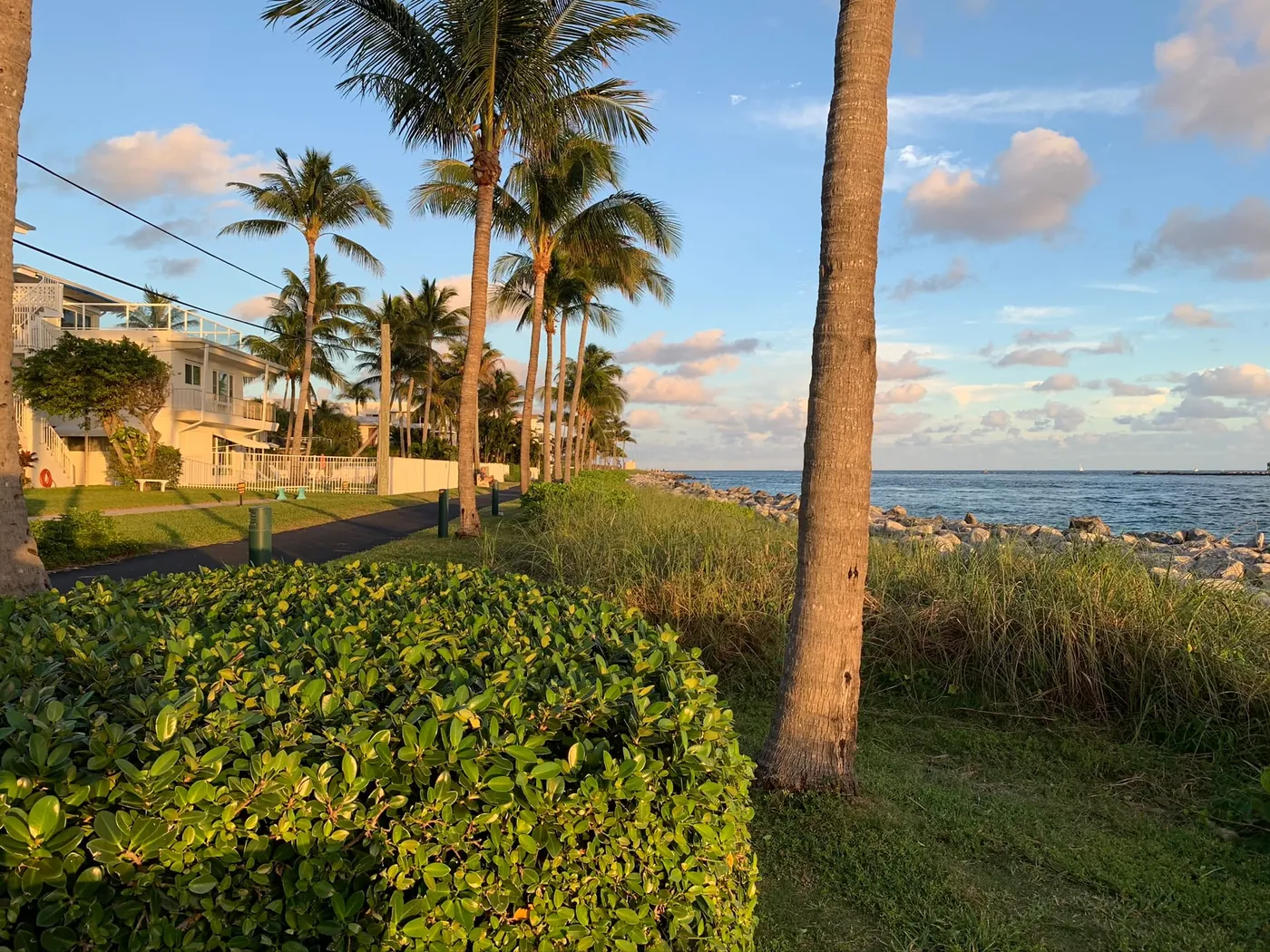
The south end is the Town of Palm Beach Shores, an independent town with its own government, its own police and building departments and its own rules.
Confirm the municipality, taxing authorities, permit jurisdiction, flood information and utility provider for the specific address before closing. Your closing team and the relevant public agencies can help verify the records that matter. Don't go by the city on a listing: many island listings show "Singer Island" or "West Palm Beach", which are mailing names.
County-level functions (property records, homestead filing, vehicle and vessel registration, driver licensing) are Palm Beach County's regardless, through the Property Appraiser and Tax Collector.
Schools are the School District of Palm Beach County. Verify attendance boundaries for the specific address directly with the district.
Living in a building
Most of the practical rules in a condo come from your association rather than from a government:
- Move-in procedures are real. Buildings commonly require scheduling, an elevator reservation, insurance certificates from movers and sometimes a deposit. Ask before your moving date, not after.
- Renovation rules typically restrict work to certain hours, require approvals and may specify flooring underlayment. Some buildings limit work during high season.
- Parking is generally deeded or assigned. Establish what conveys and where guests park.
- Pets, grills, balcony furniture, hurricane shutters and window treatments are all commonly regulated. Read the rules.
- Rental restrictions (minimum lease terms, approval requirements, caps on rented units) vary widely and matter for both flexibility and resale.
Before you commit, request the governing documents, current budget and reserves, insurance information and deductibles, recent board minutes, pending or recent assessments, and the rules that affect your planned use of the unit. Our Singer Island condo due-diligence checklist lists what to ask for and why. For a fuller picture of what it costs to own a Singer Island condo, CondoWPB.com goes through the pieces.
In a house, most of these questions go to the municipality instead: permits for renovations, docks and seawalls, plus any property owners' association rules. Palm Beach Isles, for example, has a property owners' association.
Setting up services
- Electric is FPL.
- Water and sewer providers depend on the address, so confirm which utility serves it.
- Waste is usually handled at the building level for condos; houses follow their municipality's collection schedule.
- Internet varies by building, and some have exclusive arrangements. Check what's actually available in your specific unit before assuming.
Hurricane season
Hurricane planning is part of coastal ownership. Evacuation orders, bridge access and local conditions depend on the storm and the address, so check Palm Beach County's hurricane evacuation zone lookup (external), understand the building's storm procedures, and make an off-island plan before a warning is issued.
A plan worth writing down, adapted to your own address and building:
- Your association's policies on shutters, balcony clearing, elevators, garage access, when staff leave, and how owners return. Read them before June.
- Where you'll go, decided in advance rather than during a warning.
- Supplies of water, food, medication and cash for the time you could be without services.
- Photos of your home or unit, updated each year, for insurance.
- A boat plan, if you own one: haul-out or storm dockage arranged early.
- In a house, the shutters or impact glass are your job, along with someone who can secure the property if you're away.
Beach and parking practicalities
Public beach options on and near the island:
- Ocean Reef Park (3860 N Ocean Drive), a Palm Beach County park with a lifeguarded beach, parking, restrooms and outdoor showers. Palm Beach County: Ocean Reef Park
- Riviera Beach's city beach, beside the Ocean Walk shops and restaurants (the former Ocean Mall). Riviera Beach CRA: Ocean Walk
- John D. MacArthur Beach State Park, just north of the island, for a more natural beach with trails, the lagoon and kayaking. Florida State Parks: MacArthur Beach
Parking, access rules, lifeguard coverage and conditions vary by location and can change, so check before you go. If you live in a beachfront building, ask how its own beach access works.
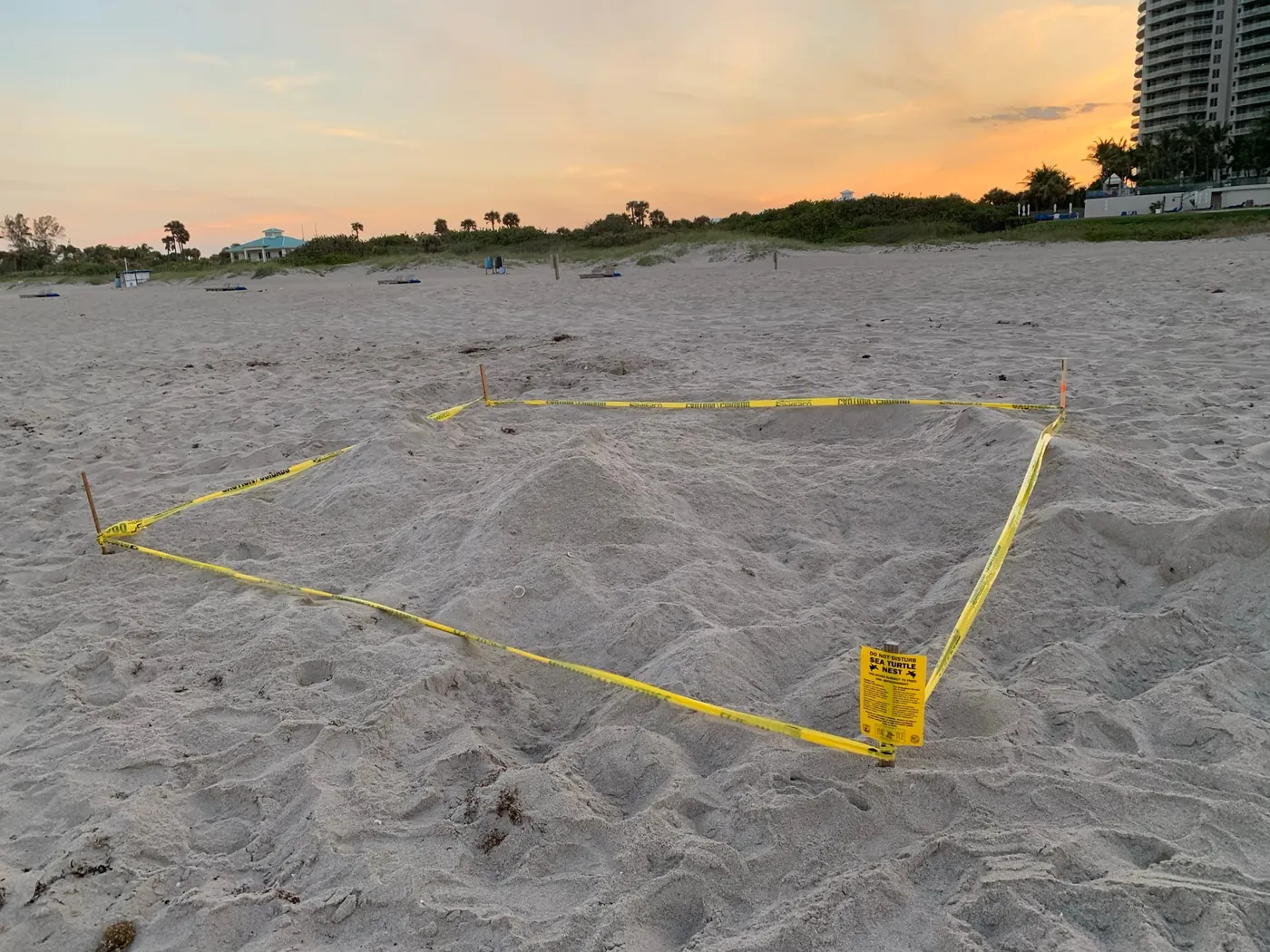
Turtle lighting. On beachfront property, exterior lighting, balcony lighting and even visible interior light can be subject to turtle-protection requirements. Ask the association what rules apply to windows, balcony fixtures, shades and common areas. The Florida Fish and Wildlife Conservation Commission's sea turtle lighting guidelines explain what's typically asked of beachfront owners, from low, shielded, long-wavelength fixtures to window tint that keeps interior light off the beach.
The water-side places locals actually use
Phil Foster Park and the Blue Heron Bridge. A county park directly under the bridge, at 900 E. Blue Heron Boulevard, with a lifeguarded beach, boat ramps and a fishing pier. Its snorkel trail of limestone boulders and reef modules covers about two acres in 6 to 10 feet of water. Visibility and current change with the tide and the weather, so check conditions before you go in; it isn't an easy swim every day. Palm Beach County: Phil Foster Park
Peanut Island. An 80-acre county park in the Intracoastal near the Lake Worth Inlet, with a beach, a campground and a snorkeling lagoon. You reach it by private boat or by one of the independent water-taxi services, which aren't part of the county park system. Check water-taxi schedules, park notices and closures before you go. Palm Beach County: Peanut Island · How to get there
MacArthur Beach State Park. The quieter nature-and-lagoon counterpoint to the condo corridor: trails through coastal hammock, a nature center, an estuary to paddle and a long, undeveloped beach.
Ocean Reef Park. The easy option for an ordinary beach day, with parking and a lifeguarded stretch of sand.
Getting further afield
- President Donald J. Trump International Airport is on the mainland in West Palm Beach.
- Brightline runs from West Palm Beach south to Boca Raton, Fort Lauderdale, Aventura and Miami, and north to Orlando.
- Tri-Rail serves the county corridor from mainland stations.
- I-95 is reached via Blue Heron Boulevard.
Deliveries, contractors and the practical friction
Small things that catch new residents out on an island of buildings.
Deliveries to a tower usually go to a front desk or a package room rather than your door, and large items may need scheduling. Confirm how your building handles it before ordering furniture.
Contractors need building approval, insurance certificates and often an elevator reservation. A simple renovation can take longer to authorize than to perform.
Guests and short stays are governed by your association's rules, which vary widely. If family will visit regularly, check what's permitted before assuming.
None of this is difficult. It is all considerably more procedural than a house, and knowing it in advance removes most of the frustration.
Fitting in
- Get involved in your building. It's the island's real social structure and the fastest route into it.
- Learn the tides, and the PGA Boulevard bridge's openings if it's on your route. Both shape a week more than you'd expect.
- Do a proper mainland shop rather than trying to live off what's on the island.
- Go early. Beach, water, errands: mornings are the window, especially in summer.
- Verify address by address. Municipality, flood and evacuation zone, association rules and utility provider all vary. Nothing about the island tells you what's true of the unit.
For the quieter side of the island, the local finds are where it stops being a resort and starts being home.
Community Guide
Neighborhoods, schools, prices, and lifestyle — all in one place.
Free Relocation Decision Guide
Palm Beach County or the Treasure Coast?
A side-by-side comparison of 14 areas we actually work in — from Boca Raton to Port St. Lucie — across 12 things that decide where you should live.
Singer Island Market Trends
Live data from the local MLS.
Singer Island Single-Family Homes for Sale
Single-family homes $500k+ in Palm Beach Isles, Yacht Harbor and Palm Beach Shores, updated daily. Shopping for a condo? Search Singer Island condos →
Buying a condo on Singer Island?
Work through the building's documents, budget, reserves, insurance and rules before you commit.
Frequently Asked Questions
How do you get on and off Singer Island?
Two routes. Blue Heron Boulevard runs west over the Blue Heron Bridge, a fixed bridge, to Riviera Beach and I-95, and it's the route most errands use. North along A1A, past MacArthur Beach State Park, the PGA Boulevard drawbridge leads into Palm Beach Gardens. Openings, temporary restrictions, construction and season traffic can affect a trip, so check Palm Beach County's current bridge information before relying on a tight connection.
Which city is Singer Island in?
Two of them. Most of the island is in the City of Riviera Beach, and the south end is the separate Town of Palm Beach Shores, with its own government, police and building departments. Confirm the municipality, taxing authorities, permit jurisdiction, flood information and utility provider for the specific address before closing; your closing team and the relevant public agencies can help verify the records that matter.
What rules should I expect living in a Singer Island condo?
Move-in scheduling with elevator reservations and mover insurance certificates, renovation rules on hours and approvals, assigned or deeded parking, and rules on pets, grills, balcony furniture, shutters and window treatments. Rental restrictions vary widely between buildings. Before you commit, request the governing documents, current budget and reserves, insurance information and deductibles, recent board minutes, pending or recent assessments, and the rules that affect your planned use of the unit.
How should I prepare for hurricane season on Singer Island?
Hurricane planning is part of coastal ownership. Evacuation orders, bridge access and local conditions depend on the storm and the address, so check Palm Beach County's evacuation lookup, understand the building's storm procedures, and make an off-island plan before a warning is issued. Your association's policies cover shutters, balcony clearing, elevators, garage access, staff departure and return.
Where can I go to the beach on Singer Island?
Public options include Ocean Reef Park, a county park with a lifeguarded beach and parking; Riviera Beach's city beach beside the Ocean Walk shops; and John D. MacArthur Beach State Park just north of the island. Parking, access rules, lifeguard coverage and conditions vary by location and can change.
Can you snorkel at the Blue Heron Bridge?
Phil Foster Park, the county park under the bridge, has a snorkel trail of limestone boulders and reef modules covering about two acres in 6 to 10 feet of water. Visibility and current change with the tide and the weather, so check conditions before you go in.
What do new Singer Island residents most often overlook?
Tides, the PGA Boulevard drawbridge if it's on their route, and turtle lighting. On beachfront property, exterior, balcony and even visible interior light can be subject to turtle-protection requirements, so ask the association what applies to windows, balcony fixtures, shades and common areas.
Keep Reading
This article is provided by DO Homes Group at Premier Brokers International for informational purposes only and does not constitute legal, financial, tax, or investment advice. Market statistics, pricing, availability, HOA fees, and community details change frequently and may have changed since publication. School assignments, boundaries, and ratings may change — verify all school information directly with the appropriate school district, and consult official public safety resources for any crime data relevant to your search. Verify all details independently and consult the appropriate licensed professionals before making any real estate decision. DO Homes Group is committed to Equal Housing Opportunity and does not discriminate on the basis of race, color, religion, sex, handicap, familial status, or national origin.