

Juno Beach · Areas Guide
Juno Beach Neighborhoods and Areas: How to Choose
A small town calls for a different kind of neighborhood guide: compare housing types, ownership structures and beach access, then verify the address.
By John OliverUpdated
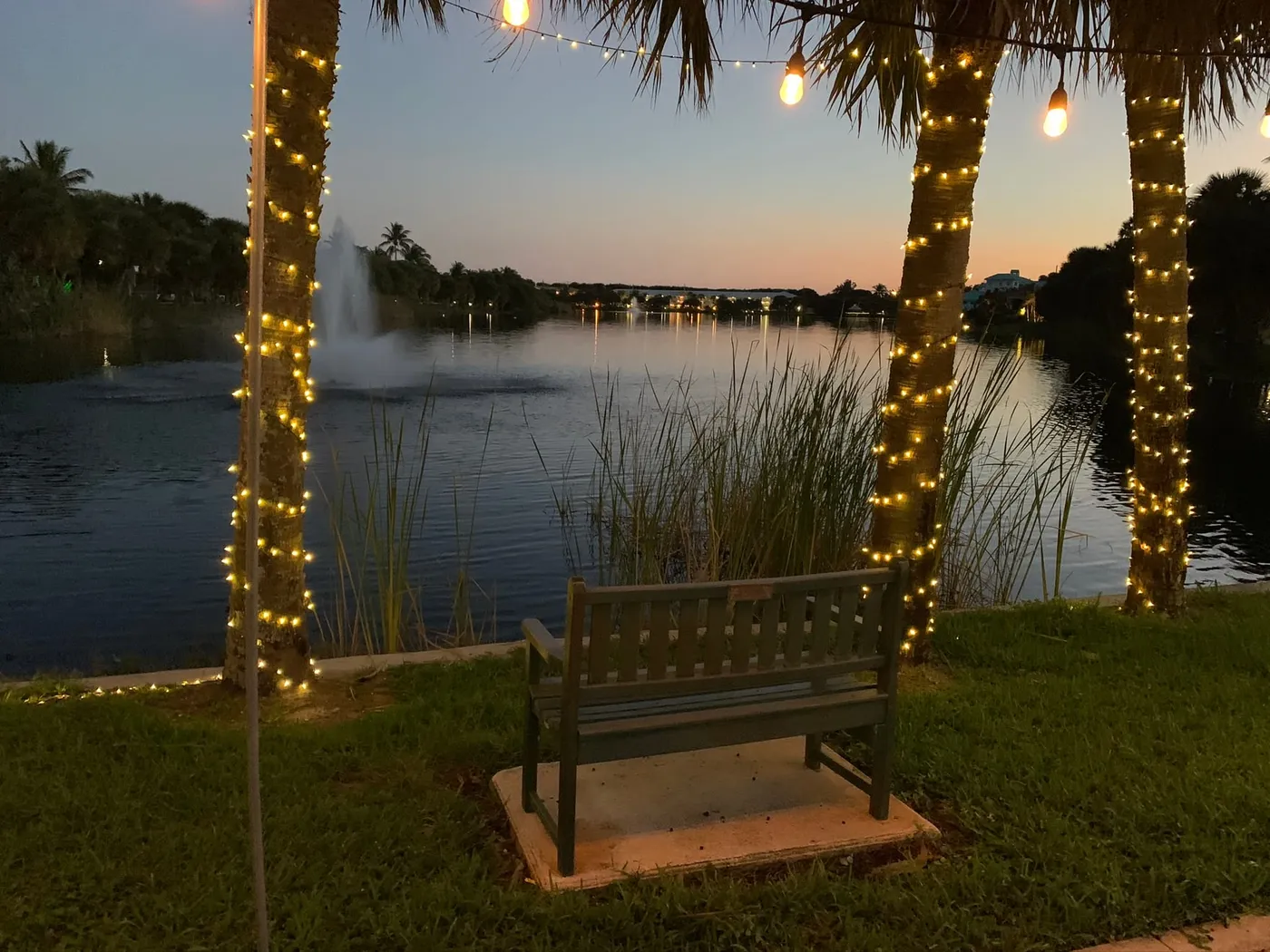
Pelican Lake at sunset, with homes along the far shore
Juno Beach has areas, not a maze of subdivisions. The town covers about 2 square miles. In a place this size, the useful comparison isn't between neighborhood names. It's between housing types, ownership structures, beach access and maintenance exposure.
The Town's Planning & Zoning department divides residential land into single-family districts (RS-1 through RS-5), a duplex district (R-DUP), multiple-family districts (RM-1, RM-2, RMT and RM-00) and a high-density district (RH). Those districts, and the town's history, are a better guide than any list of "best" neighborhoods.
In this guide
Choose your Juno Beach fit
Five housing patterns inside the Town of Juno Beach, following the residential districts on the Town's zoning map and the communities on it. These are categories, not official neighborhood names.
Oceanfront and near-ocean condominium buildings
Along Ocean Drive (A1A)
- Home type
- Condominium units in buildings from several eras; the first, The Greenbrier, dates to 1966.
- Ownership and governance
- A condominium association, governed by the building's declaration, budget, reserves, rules and master insurance policy.
- Beach or water access
- Views and beach adjacency vary by building and unit. Any beach-area rights come from the condominium documents, not the listing.
- Ask first
- The building's age, inspection and reserve-study status, recent assessments and the association's insurance.
Taller condominium buildings
Including the area the Town annexed to the north
- Home type
- Multi-story condominiums; The Tower, in 1972, was the first 12-story condominium.
- Ownership and governance
- A condominium association, with the added systems a taller building carries, such as elevators.
- Beach or water access
- Depends on the building and its position; check the documents and the nearest public access.
- Ask first
- Whether statutory milestone-inspection and structural integrity reserve study requirements apply, and their status.
Intracoastal and lakeside communities
Such as Oak Harbour, Bay Colony and Uno Lago
- Home type
- Condominiums, and in Oak Harbour also townhomes and single-family homes, away from the oceanfront: on the Intracoastal at Oak Harbour and Bay Colony, and around a lake at Uno Lago.
- Ownership and governance
- One or more associations, sometimes a master association plus a condominium association; confirm which documents govern the home.
- Beach or water access
- Water views or lake frontage rather than the beach. Any boat slip or dock rights come from the documents, not the view.
- Ask first
- Whether a slip conveys or is leased; for condominiums, the building's inspection and reserve-study status; and the route to public beach access.
Single-family residential streets
Zoned RS-1 through RS-5
- Home type
- Detached houses on individual lots, including the streets the Juno Beach Garden Club named after classical mythology.
- Ownership and governance
- Usually owner-maintained; some properties may carry an HOA or recorded covenants. Check the title and any association documents.
- Beach or water access
- Depends on the address: how far the nearest public beach access is, and where you can park.
- Ask first
- Flood zone, elevation, roof age, wind mitigation and permit history.
Duplexes, townhouses and smaller multifamily
Zoned R-DUP, RM or RH
- Home type
- Two-family homes, townhouses and multifamily buildings, as the zoning allows.
- Ownership and governance
- A condominium, an HOA or no association, depending on how the property was created. Find out which.
- Beach or water access
- Varies by property; confirm it from the specific address.
- Ask first
- Who insures and maintains the roof, exterior and grounds, and what the owner pays for.
Zoning districts are from the Town's Planning & Zoning department; its zoning map shows where each applies. Confirm any property's municipality and zoning with the Town and the Property Appraiser.
Area by area
Oceanfront and near-ocean condominium buildings
What's known. By the 1960s the oceanfront had as many as 17 motels. The first condominium, The Greenbrier, arrived in 1966, and over the following decades the oceanfront turned over from motels to residential buildings, according to the Town's history.
What differs. Building age, construction, height, number of units, amenities, rules and finances. Two buildings next to each other can be very different purchases.
What to verify. The documents, budget, reserves, inspections, insurance and any assessments, building by building. See the condo section below.
Taller condominium buildings
What's known. In the 1960s the Town annexed property to the north and zoned it more liberally, with hotels in mind. The Tower, in 1972, was the first 12-story condominium. Taller buildings are part of Juno Beach, not an exception to it.
What differs. Height brings more building systems to maintain, and in Florida, condominium buildings of three habitable stories or more face specific statutory inspection and reserve requirements.
What to verify. Which requirements apply to the building and where it stands on them.
Intracoastal and lakeside communities
What's known. Not every Juno Beach home faces the ocean. Three communities on the Intracoastal and lake side of town appear on the Town's official zoning and address maps: Oak Harbour, a gated Intracoastal community with condominiums, townhomes and single-family homes and its own marina; Bay Colony, condominium buildings on the Intracoastal; and Uno Lago, a condominium community built around a lake.
What differs. The water you live beside. The Intracoastal brings boating and marina questions; a lake brings views and frontage but not navigable access. Both are a drive or a walk from public beach access rather than on the sand.
What to verify. If a listing mentions a boat slip or dock, whether it conveys with the home, is leased or is assigned by the association, and on what terms, plus water depth and the route and clearances to the inlets. For condominiums, whether milestone-inspection and reserve-study requirements apply to the building. And which association, or associations, govern the home.
Single-family residential streets
What's known. The Town zones its single-family land in five districts, RS-1 through RS-5. When the town's new streets were laid out, the Juno Beach Garden Club named them after classical mythology, with names such as Mars, Venus and Olympus.
What differs. Lot size, age and construction, elevation, and the distance and route to the nearest public beach access.
What to verify. Flood zone and elevation, roof age, wind mitigation, permit history, and whether an HOA or recorded covenants apply.
Duplexes, townhouses and smaller multifamily
What's known. The Town's zoning includes a duplex district and several multiple-family districts. The high-density RH district permits a variety of dwelling types, including single-family, two-family, multifamily and townhouses.
What differs. How the property was created. A townhouse can be a condominium, part of an HOA, or fee-simple with no association, and that decides who maintains and insures what.
What to verify. The ownership structure, the governing documents if any, and who is responsible for the roof, exterior and grounds.
Oceanfront is not one product
Listings use "oceanfront," "ocean view" and "steps to the beach" loosely. They describe different things:
- A building with ocean views. The view is from the unit. It says nothing about beach rights, access or ownership obligations.
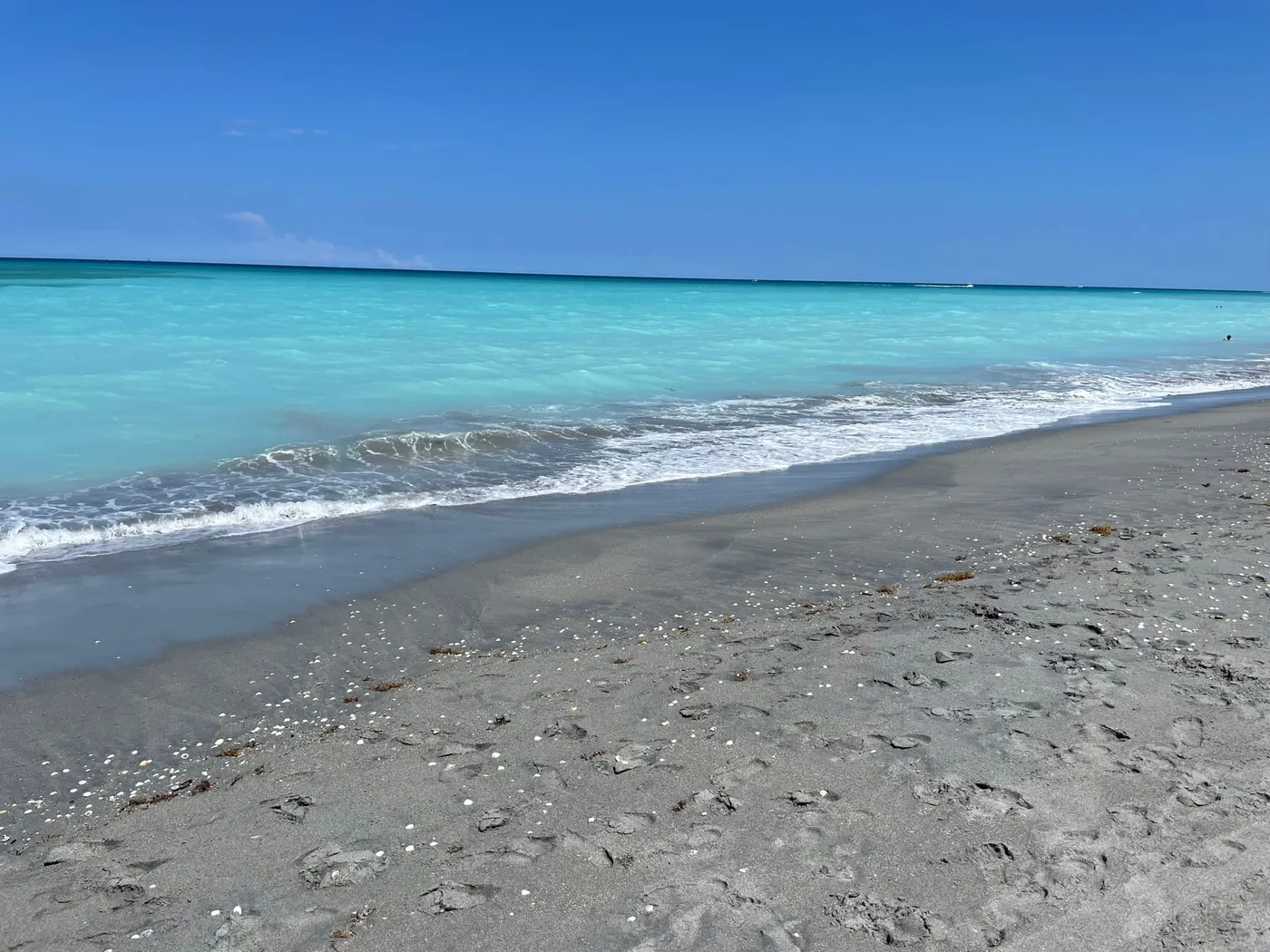
- A property near public beach access. Palm Beach County runs Juno Beach Park, home of the pier, and Loggerhead Park. Public access is open to everyone, under the county's rules.
- A property with its own beach-area access. Any private access, and the rules and costs that come with it, are set by the property's documents, not by its distance to the sand.
An ocean-facing listing doesn't guarantee private beach use, public access from the door, dock rights, or lower ownership obligations. Near-ocean properties may also fall inside the Town's Sea Turtle Protection Zone, which affects exterior lighting and some window work.
Condo due diligence belongs in the neighborhood decision
In Juno Beach, choosing a condominium is choosing a building. Before you commit, review:
- The governing documents: the declaration, bylaws and rules, including rental, pet and renovation rules.
- The money: the budget, reserves, any special assessments, and the last couple of years of board minutes, where coming costs tend to surface first.
- Maintenance history: what's been repaired or replaced, and what's planned.
- Inspections and reserve studies. Under Florida law, condominium and cooperative buildings three stories or more in height must have periodic milestone inspections, and residential condominium associations must complete a structural integrity reserve study at least every 10 years for buildings three habitable stories or higher. Timing and applicability are building-specific; this article doesn't diagnose any building.
- Insurance: the association's master policy isn't the same as your unit-owner (HO-6) policy, your contents coverage, your deductibles, or your exposure to a loss assessment. The state's homeowners insurance overview explains the policy types.
Waterfront and boating: verify the parcel, not the label
"Waterfront" can mean the ocean, the Intracoastal, a canal or a lake, and those are different things. Pelican Lake, for example, was created when a marsh was dredged; lake frontage isn't the same as navigable boating access.
If a property inside the town is marketed with boating or dock access, such as a condominium on the Intracoastal, verify:
- Title and conveyance: does the dock, slip or water access belong to the property, or to an association?
- Permits for any dock, lift or seawall.
- Water depth at the dock and along the route out.
- Bridge clearance between the property and open water.
- Seawall condition and who is responsible for maintaining it.
- Access: what the route to the Intracoastal or the ocean actually is.
Don't assume a street or area has navigable access or dockage because some homes on it do.
The address beats the label
- Municipality and zoning. Confirm the parcel is inside the Town of Juno Beach on the Palm Beach County Property Appraiser site and check its zoning with the Town. A "Juno Beach" mailing address or ZIP code isn't proof.
- Property type and association. Condominium, HOA, or none, and the documents that go with it.
- Beach and water access. What's public, what's private, and what the documents actually grant.
- Flood, wind and insurance. Property-specific quotes, the FEMA flood zone, and wind mitigation.
- Condition. Roof, exterior, seawall, drainage and any deferred maintenance.
- Schools. Verify assignments for the specific address directly with the School District of Palm Beach County.
- Evacuation and access. Look up the address's evacuation zone and plan your route.
This is a checklist, not legal, insurance or financial advice. Confirm each item with the right professional.
The bottom line
Juno Beach is small enough that you can see all of its housing patterns in a day. Pick the pattern that fits how you want to live, then let the specific address, its documents and its condition make the decision.
For more, see the Juno Beach community guide, what it's really like living in Juno Beach, our local's guide and the cost of living in Juno Beach.
Community Guide
Neighborhoods, schools, prices, and lifestyle — all in one place.
Juno Beach Market Trends
Live data from the local MLS.
Homes for Sale in Juno Beach
Single-family homes $500k+, updated daily.
Next step
Comparing specific Juno Beach properties? Start with the community guide, or talk with our team about the address and the checks above.
Frequently Asked Questions
How many distinct residential areas are in Juno Beach?
The Town doesn't publish a list of official neighborhoods. Its zoning divides residential land into single-family districts (RS-1 through RS-5), a duplex district, multiple-family districts and a high-density district. In practice that gives five housing patterns: oceanfront and near-ocean condominium buildings, taller condominium buildings, Intracoastal and lakeside communities such as Oak Harbour, Bay Colony and Uno Lago, single-family streets, and duplexes, townhouses and smaller multifamily.
Does Juno Beach have both condos and single-family homes?
Yes. Condominiums have been part of the town since The Greenbrier in 1966, and The Tower became the first 12-story condominium in 1972. Not all of them are on the ocean: Oak Harbour and Bay Colony are on the Intracoastal, and Uno Lago is built around a lake. The Town has five single-family zoning districts, and communities such as Oak Harbour also include single-family homes. The Town's zoning also includes duplex and multiple-family districts.
What should I verify before buying a Juno Beach condo?
The governing documents, budget, reserves, special assessments, recent board minutes, maintenance history and the association's insurance. Florida law requires periodic milestone inspections and structural integrity reserve studies for certain buildings three stories or more in height; whether and when they apply is building-specific. The association's master policy is also different from your own unit-owner policy, deductibles and loss-assessment exposure.
What does waterfront mean in a Juno Beach listing?
It can mean the ocean, the Intracoastal, a canal or a lake, and each is different. Verify title and conveyance of any dock or access, permits, water depth, bridge clearance, seawall condition and maintenance responsibility for the specific parcel. Don't assume an area has navigable access because some homes on it do.
How do I verify whether a property is inside the Town of Juno Beach?
Look up the parcel on the Palm Beach County Property Appraiser's site, which shows its municipality, and check its zoning with the Town of Juno Beach. A Juno Beach mailing address or ZIP code isn't proof that a property is inside the Town.
Keep Reading
Communities below are grouped by objective characteristics — price range, property type, waterfront and golf access, HOA structure, lot size, and location. The best community depends on your individual goals, budget, lifestyle, and housing preferences. We encourage buyers to visit neighborhoods personally and independently verify any information important to their home search.
This article is provided by DO Homes Group at Premier Brokers International for informational purposes only and does not constitute legal, financial, tax, or investment advice. Market statistics, pricing, availability, HOA fees, and community details change frequently and may have changed since publication. School assignments, boundaries, and ratings may change — verify all school information directly with the appropriate school district, and consult official public safety resources for any crime data relevant to your search. Verify all details independently and consult the appropriate licensed professionals before making any real estate decision. DO Homes Group is committed to Equal Housing Opportunity and does not discriminate on the basis of race, color, religion, sex, handicap, familial status, or national origin.