
 Photo by John Oliver
Pros and Cons of Living in West Palm Beach, Florida
West Palm Beach offers a mainland waterfront on the Lake Worth Lagoon, a downtown with cultural institutions, rail stations with regional service, historic houses, condominiums and a wide mix of other housing. Each of those comes with a practical trade-off, and how much either side matters depends on the exact property, the building type, the routes you'll use and where in the city you are.
This page pairs each advantage with its trade-off and the check that settles it for a specific property. For the broad picture, read what it's really like living in West Palm Beach. For whether the city matches your priorities, see the fit checklist. For the numbers, see the cost of living guide.
Advantages and trade-offs, paired
| Advantage | Trade-off | What to verify |
|---|---|---|
| Downtown access | Traffic, events, parking | Your routes at your hours |
| Lagoon waterfront | The ocean is across a bridge | Your beach route and parking |
| Museums and venues | Event crowds and closures | Calendars near the address |
| Rail stations | Serves some trips, not all | Schedules, fares, station access |
| Historic houses | Design review; older systems | Parcel status; inspections |
| Condo options | Building-level obligations | Inspections, reserves, rules |
| Varied housing | Condition varies by property | Year built; permit history |
| Bridges to the island | Drawbridge openings | Time your crossings |
| New development | Construction nearby | City planning records |
| Coastal setting | Flood and insurance vary | Flood zone; insurance quotes |
What each trade-off means in practice
Downtown access, traffic and events
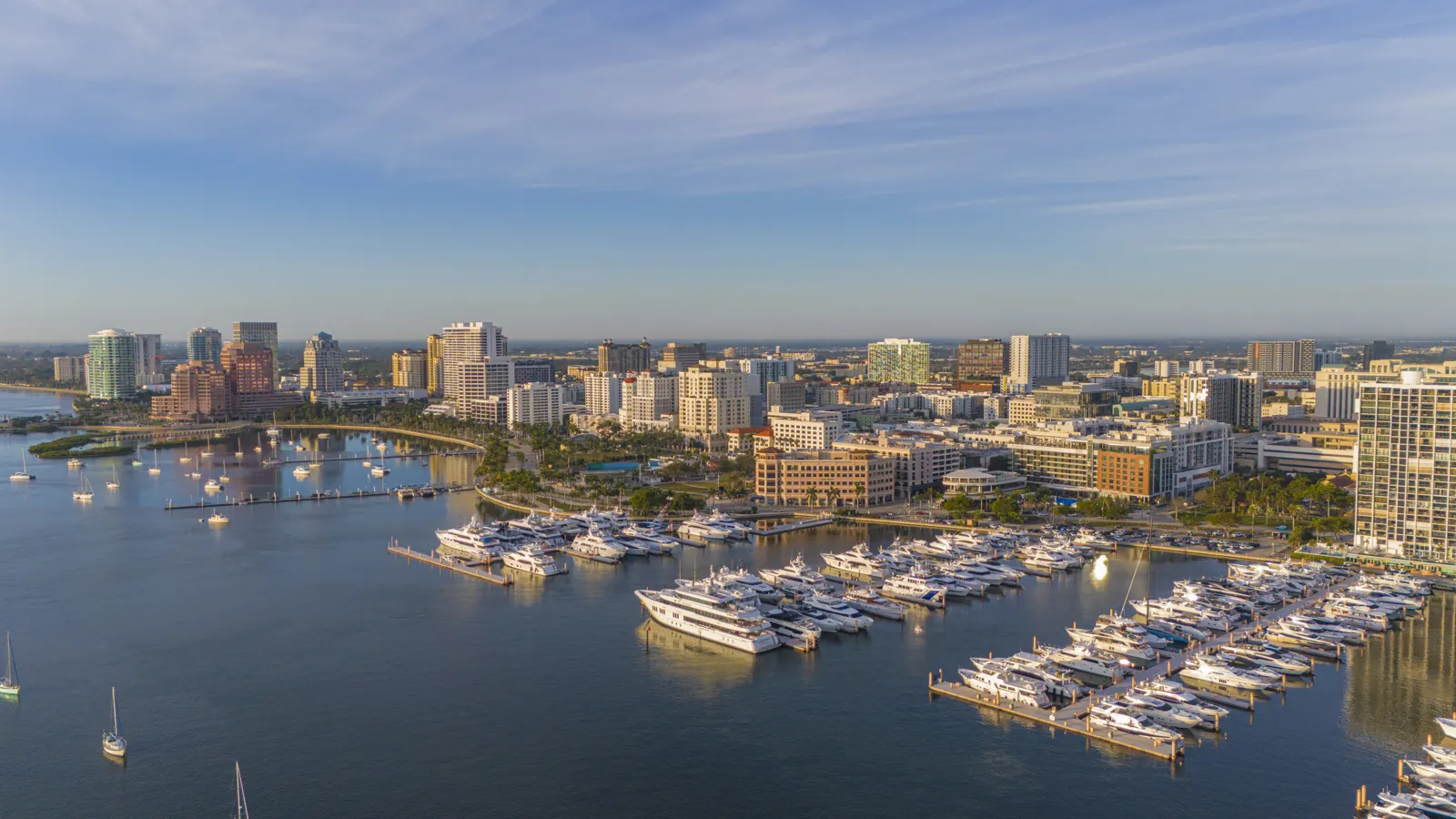
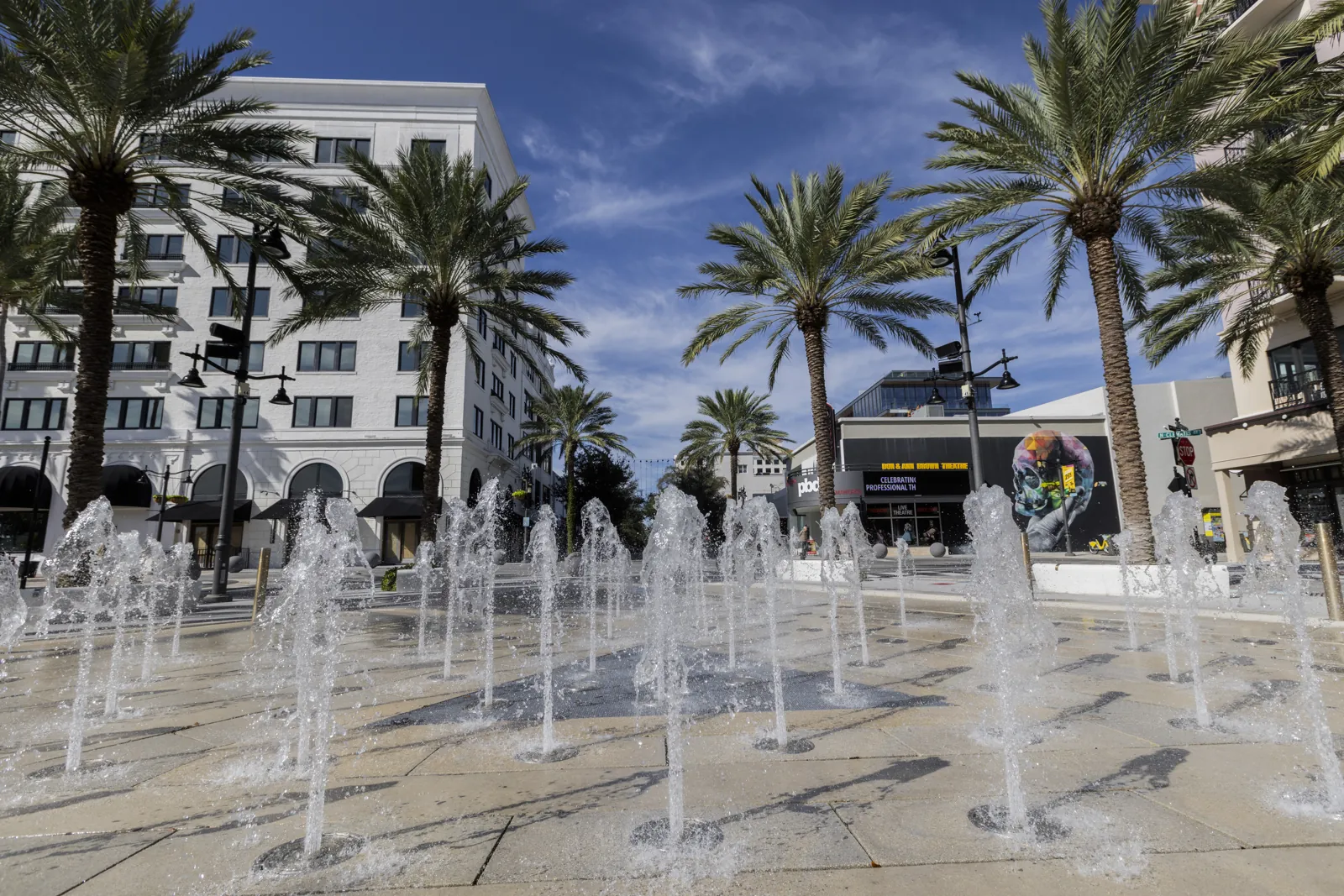
Downtown puts the waterfront, the Kravis Center, the Mandel Public Library, CityPlace and the Brightline station close together. The same area carries event crowds, street changes and garage demand. The City's rate page lists garage rates of $5 all day on weekends and holidays, but up to $100 during special events. Parking, traffic and noise depend on the exact block and the time, so visit the property and its surrounding streets at the hours that match your routine, including an event day if you're near the waterfront.

The waterfront and the ocean
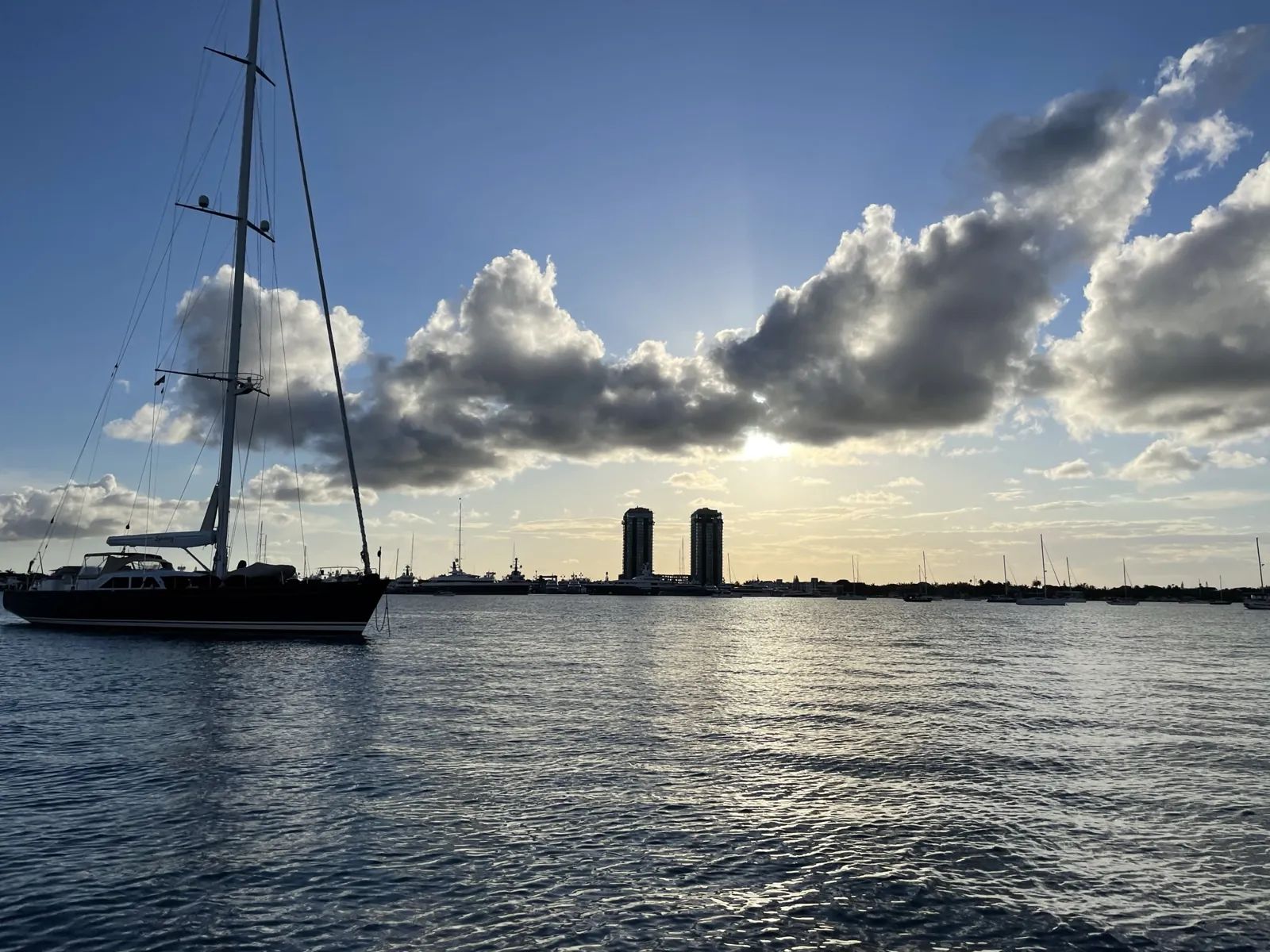
The city sits on the mainland, across the Lake Worth Lagoon (part of the Intracoastal Waterway) from Palm Beach island. The waterfront is a lagoon edge, and the ocean beaches are on the island, reached over one of three drawbridges and run by other jurisdictions with their own parking rules. Whether that's a plus or a minus depends on how often you'd go and from where. Time the trip from the specific address.
Cultural institutions and events
The Norton Museum of Art, the Kravis Center, Palm Beach Dramaworks and the Ann Norton Sculpture Gardens are all in the city, and the City runs recurring events on the waterfront. Living close to them means shorter trips, and it can also mean event traffic and closures nearby. Check the City's events calendar and the venues' schedules for the area around a property. Our things-to-do guide covers them in more detail.
Rail access
Brightline's downtown station has service to Boca Raton, Fort Lauderdale, Aventura, Miami and Orlando, and Tri-Rail stops at 203 South Tamarind Avenue. Rail helps for trips that follow the line. It doesn't cover every errand. Map your actual trips, check current schedules and fares, and see how you'd reach the station from the property.
Historic houses
The City maintains 18 locally designated historic districts and 46 individually designated sites. Exterior work on those properties is reviewed under the Historic Preservation Ordinance. Depending on the work, that means staff-level approval, a minor Certificate of Appropriateness handled administratively, or a major one heard by the Historic Preservation Board. What applies depends on the parcel and the specific work, so ask the City's historic-preservation staff about your plans before you budget them. The houses themselves are older, so inspection results matter. The neighborhood guide lists the districts.
Condominium living
Condos offer a different form of ownership, with building-level obligations. Florida requires milestone structural inspections for condo buildings of three or more habitable stories, and associations must have a structural integrity reserve study. Before you commit, read the building's budget, reserves, minutes, rules and any assessments. Our condo buyer's checklist lists the documents, and our sister site CondoWPB.com covers the downtown buildings one at a time.
Varied housing
The City's parcel data shows about 18,400 single-family homes with a median recorded year built of 1970, about 14,900 condominium units and about 5,100 townhouses. That range means condition, systems and past work vary from one property to the next, so check the year built, the permit history and the inspection results for each house you consider.
Bridges to the island
Under federal rules, the Flagler Memorial and Southern Boulevard bridges open on the quarter and three-quarter hour, and the Royal Park Bridge on the hour and half hour. On weekdays from 7:30 to 9 a.m. and 4 to 6 p.m., each opens only once an hour, and the schedules shift during presidential security zones. If you'll cross often, time the trip at the hours you'd make it.
New development
Where a development project is near a property, it can affect traffic, noise and views while it's built, and it changes what comes after. Check approved and pending projects near the address through the City's Planning Division and its board agendas.
Flood and insurance
Premiums, availability, flood requirements and coverage all depend on the address, the building and the policy. Look up the flood zone on FEMA's Flood Map Service Center, ask for any elevation certificate, and get quotes from licensed insurance professionals during your inspection period. For evacuation zones, see Palm Beach County's Know Your Zone.
Property-specific questions to investigate
These are questions to investigate, not predicted problems or professional advice.
- Historic designation: is the parcel in a local district or individually designated, and what review would your plans need?
- Roof, plumbing, electrical and windows: what do licensed inspectors report, and what reports does your insurer ask for?
- Permits: does the City's permit history match the work the seller describes?
- Flood and elevation: what's the flood zone, is there an elevation certificate, and what do insurance quotes come back at?
- Parking and access: a driveway, an assigned space, a garage permit or street parking?
- Nearby development: what's approved or pending near the address?
- Condo or HOA records: budget, reserves, assessments, rules, minutes, and building-specific inspections where they apply.
An evaluation checklist
1. Which features matter daily, and which occasionally? Downtown, rail, the waterfront or the beach. 2. What does the exact route look like to work, transit, the waterfront, the beach or downtown, at your hours? 3. Does the property type match the maintenance and ownership you want? An older house, a historic house, a condo or a newer home. 4. Which costs and approvals must you confirm before your offer and your inspection deadline?
For next steps, see the local guide, the neighborhood guide, the cost of living guide, the fit checklist and West Palm Beach vs nearby cities. To look at homes, start from the West Palm Beach community page or search homes for sale.
Community Guide
Neighborhoods, schools, prices, and lifestyle — all in one place.
West Palm Beach Market Trends
Live data from the local MLS.
Homes for Sale in West Palm Beach
Single-family homes $500k+, updated daily.
Free Relocation Decision Guide
Palm Beach County or the Treasure Coast?
A side-by-side comparison of 14 areas we actually work in — from Boca Raton to Port St. Lucie — across 12 things that decide where you should live.
Free instant PDF · No obligation · See what's inside →
Frequently Asked Questions
What are the main pros and cons of living in West Palm Beach?
The advantages include downtown access, a lagoon waterfront, cultural institutions, rail stations and a wide range of housing, including historic houses and condos. Each has a trade-off: event traffic and parking, an ocean that's across a bridge, drawbridge openings, design review on historic exteriors, building-level condo obligations, and flood and insurance costs that vary by address.
Is West Palm Beach on the beach?
No. The city is on the mainland across the Lake Worth Lagoon from Palm Beach island. The ocean beaches are on the island, reached over one of three drawbridges and run by other jurisdictions. How that trip works depends on the address and the time you go.
Is West Palm Beach expensive?
It depends on the property. The city has about 18,400 single-family homes, 14,900 condo units and 5,100 townhouses, built across more than a century, so purchase prices and ownership costs vary widely. Check the specific property's taxes, insurance quotes, association fees and maintenance needs. The cost of living guide explains each component.
Is West Palm Beach noisy?
It depends on the location and the time. Traffic, events, nightlife and construction are concentrated in some areas and at some hours. Visit the property and nearby streets at the times that match your routine, and check the City's events calendar and development records for the area.
What should I know about historic district rules in West Palm Beach?
Exterior work on properties in the City's local historic districts or individually designated sites is reviewed under the Historic Preservation Ordinance. That can mean staff-level approval, a minor Certificate of Appropriateness, or a major one heard by the Historic Preservation Board. Requirements depend on the parcel and the work, so confirm them with the City's historic-preservation staff.
How do I check flood risk for a West Palm Beach property?
Look up the address on FEMA's Flood Map Service Center, ask for any elevation certificate, and get insurance quotes from licensed professionals during your inspection period. Evacuation zones are on Palm Beach County's Know Your Zone page.
Keep Reading
This article is provided by DO Homes Group at Premier Brokers International for informational purposes only and does not constitute legal, financial, tax, or investment advice. Market statistics, pricing, availability, HOA fees, and community details change frequently and may have changed since publication. School assignments, boundaries, and ratings may change — verify all school information directly with the appropriate school district, and consult official public safety resources for any crime data relevant to your search. Verify all details independently and consult the appropriate licensed professionals before making any real estate decision. DO Homes Group is committed to Equal Housing Opportunity and does not discriminate on the basis of race, color, religion, sex, handicap, familial status, or national origin.