
 Photo by John Oliver
Best Neighborhoods in West Palm Beach, Florida: A Guide to the House Areas
West Palm Beach has downtown condominium towers, historic-house districts, waterfront homes, older residential streets and, farther west, different housing again. This guide covers the house-oriented areas: single-family homes, mostly in and around the City's historic districts.
Condo research is a different job. It turns on each building's budget, reserves, inspections and rules, so it belongs at the building level. Our sister site CondoWPB.com, which we also run, covers the downtown buildings one at a time.
There's no universal "best" neighborhood. The right area depends on the house you want (its age, size, lot and condition), whether you're prepared for design review on exterior work, and the places you need to reach. This guide sets out what can be checked for each area, so you can compare them on those terms.
The areas at a glance
Where each area is, and whether it's an official designation:
| Area | Where | Designation |
|---|---|---|
| El Cid | South of downtown, on the lagoon | City district; National Register |
| Flamingo Park | South of downtown, west of Dixie Hwy | City district; National Register |
| Grandview Heights | Between Okeechobee Blvd and Park Pl | City district; National Register |
| Prospect / Southland Park | On the lagoon, south of El Cid | City district; National Register |
| Central Park | Along S. Olive Ave, north of Southern | City district; National Register |
| SoSo | South of Southern Blvd | Informal label |
| Northwood area | North of downtown | Several City districts |
| West of I-95 | West of the interstate | No City districts |
What the county's records show, and what to check first:
| Area | Houses on record | Check first |
|---|---|---|
| El Cid | 208; median built 1939 | Design review; flood zone |
| Flamingo Park | 296; median built 1935 | Design review; additions |
| Grandview Heights | 127; median built 1929 | Design review; parking |
| Prospect / Southland Park | 324; median built 1940 | Design review; flood zone |
| Central Park | 92; median built 1930 | Design review; parking |
| SoSo | Varies by street | District status, if any |
| Northwood area | See our Northwood guide | Which district applies |
| West of I-95 | Varies by community | City or county; HOA |
The counts are single-family parcels inside each City district, from the City's GIS data (see How these numbers were made below). "Designation" means the City's local historic district, which is what triggers design review, and the National Register listing, which is a separate federal recognition.
El Cid
What's documented. El Cid is a City of West Palm Beach historic district, and the National Park Service listed the El Cid Historic District on the National Register on August 31, 1995. It describes the district as roughly bounded by Flamingo Drive, South Flagler Drive, Dyer Road and South Dixie Highway. The listing records its architecture as late 19th- and 20th-century revivals, early 20th-century American movements and the modern movement, so the district isn't one single style.
Housing on record. The City's parcel data shows 208 single-family parcels inside the local district. Their median recorded year built is 1939, and 63% were built before 1950. The median lot is about 9,400 square feet, the largest of the districts in this guide.
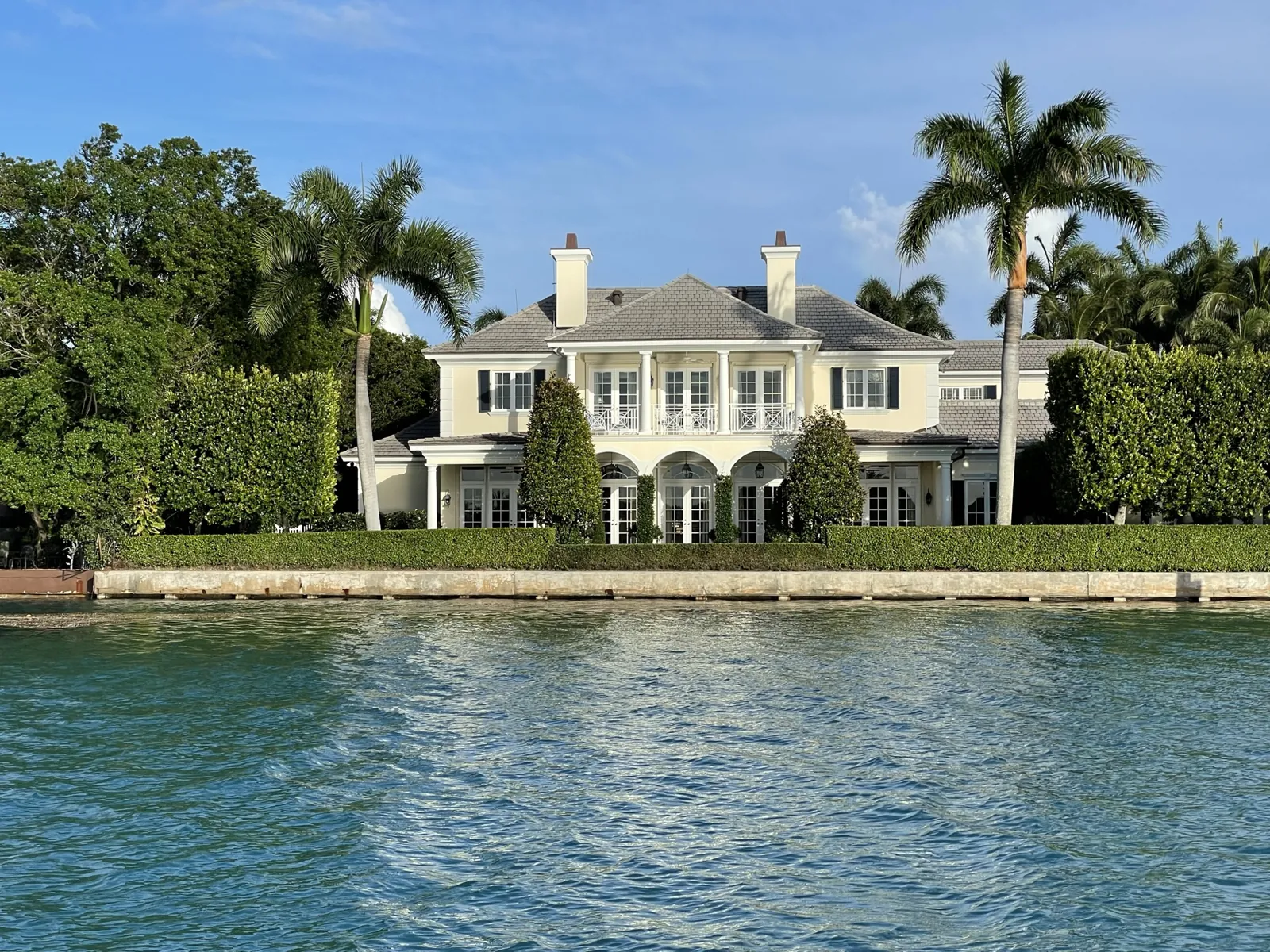
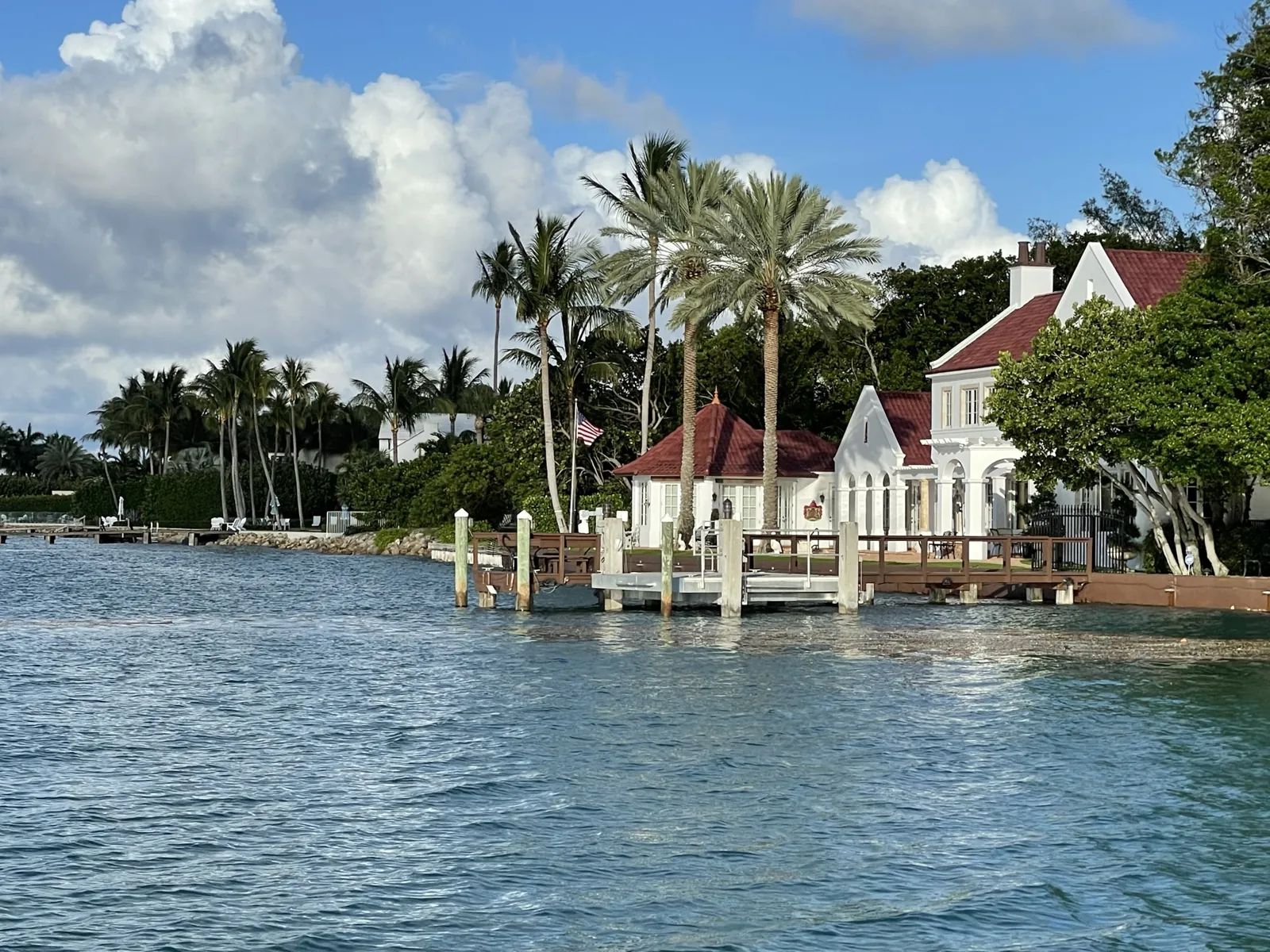
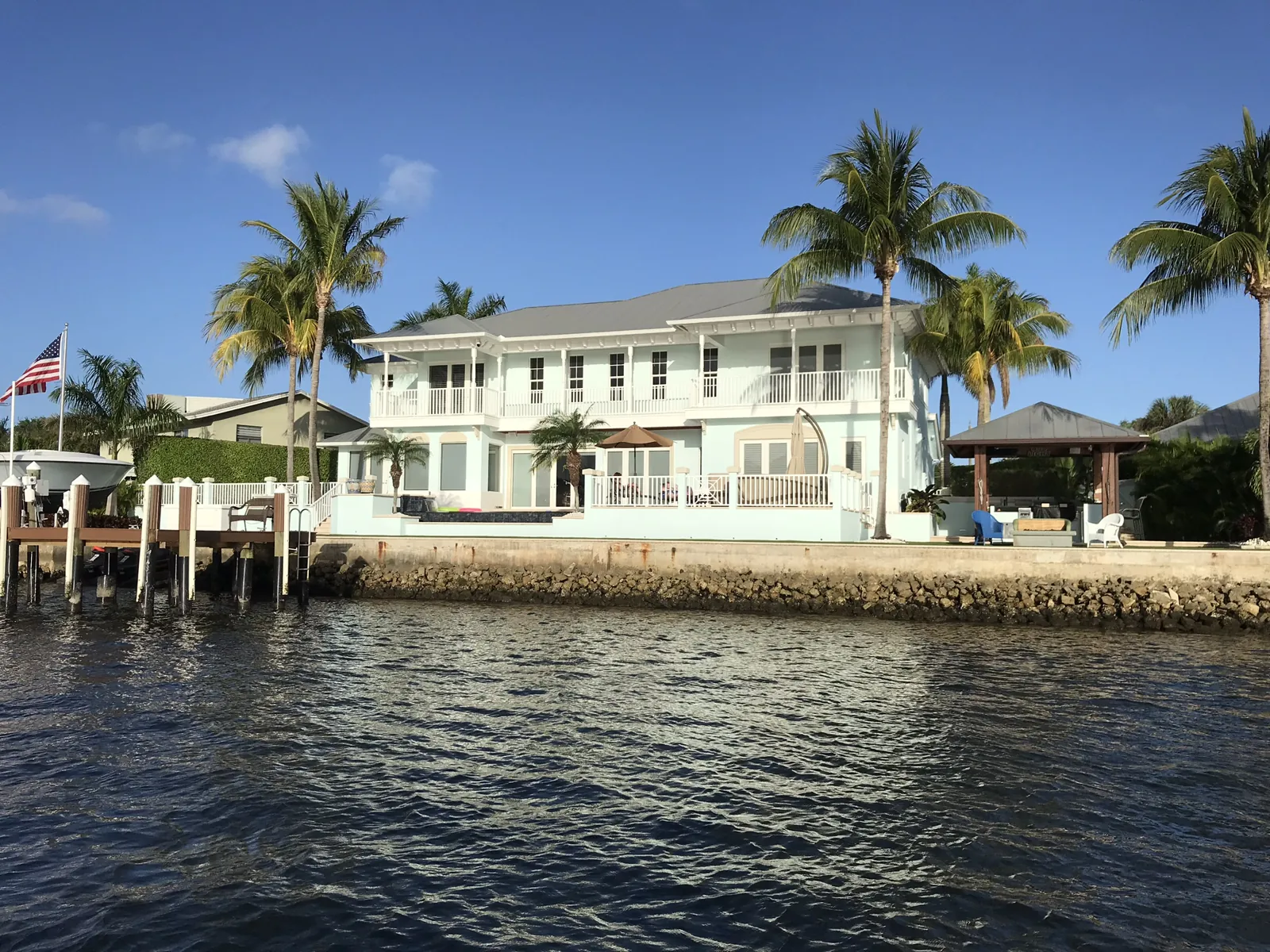
Location. South of downtown, along South Flagler Drive and the lagoon. Properties near the water bring their own questions: flood zone, elevation, any seawall or dock, and insurance.
Check before you tour. Whether the house is a contributing structure, what design review would mean for the work you have in mind, the flood zone and elevation, and the age of the roof, windows and systems.
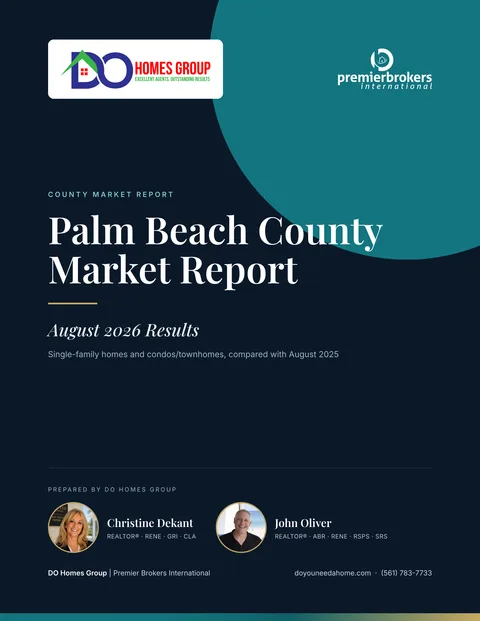
Free — August 2026 Palm Beach County Numbers
What Palm Beach County Homes Actually Sold For
In August 2026, the typical house sold for $650,000 and went under contract in 40 days, at 94.8% of asking. Condos are a different market: 6.7 months of supply and 69 days. See both, and what each means for your offer or your asking price.
Flamingo Park
What's documented. Flamingo Park is a City historic district. The National Park Service listed the Flamingo Park Historic Residential District on the National Register on July 14, 2000, roughly bounded by Park Place, Parker Avenue, Belvedere Road and Florida Avenue, and records its style as Mission/Spanish Revival.
Housing on record. 296 single-family parcels, a median recorded year built of 1935, 70% built before 1950, and a median lot of about 6,300 square feet.
Location. South of downtown and west of Dixie Highway. Adjacent to it, the City designated Sunshine Park as a separate historic district, with 115 single-family parcels and a median recorded year of 1928.
Check before you tour. On a modest lot, an addition, garage or pool depends on setbacks, zoning and design review, so ask the City's historic-preservation staff early.
Grandview Heights
What's documented. A City historic district. The National Park Service listed the Grandview Heights Historic District on July 8, 1999, and records its styles as Bungalow/Craftsman and Colonial Revival.
Housing on record. 127 single-family parcels, a median recorded year built of 1929 (83% before 1950), and a median lot of about 5,800 square feet. The same data shows other housing mixed in: 84 small multifamily parcels (under five units), plus some townhouses and condominiums.
Location. Between Okeechobee Boulevard and Park Place, west of downtown. Tri-Rail's Tamarind Avenue station and the downtown Brightline station are the rail stops to map from the specific address.
Check before you tour. Off-street parking (driveway, alley access or street), design review for the work you plan, and how the nearby corridors work at the hours you'll be home.
Prospect/Southland Park and Central Park
What's documented. Both are City historic districts. The National Park Service lists the Central Park Historic District (listed July 28, 1999), roughly along South Olive Avenue from Monroe Drive to Southern Boulevard. The Prospect Park–Southland Park Historic District is also on the National Register (reference number 11000181).
Housing on record. Prospect/Southland Park has 324 single-family parcels, a median recorded year of 1940 and a median lot of about 8,000 square feet. Central Park has 92, with a median recorded year of 1930 and a median lot of about 5,100 square feet.
Location. Prospect/Southland Park runs along the lagoon south of El Cid, and Central Park sits along the South Olive corridor just north of Southern Boulevard.
SoSo (South of Southern)
What it is. "SoSo" is real-estate shorthand for the area south of Southern Boulevard. It is not an official City neighborhood or district name, and sources draw its boundaries differently.
What's documented. South of Southern, the City's historic-district map shows one local district, Belair, with 70 single-family parcels and a median recorded year of 1949. It also shows scattered individually designated sites. Most other streets south of Southern are not in a local historic district, so design review depends on the exact parcel.
Check before you tour. Confirm on the City's map whether the parcel is in Belair, individually designated, or neither. Then look at the flood zone, the permit history for any renovation, and the condition of the systems.
Northwood
The Northwood area, north of downtown, holds several separate City historic districts: Old Northwood, Northwood Hills, Northwood Harbor, Northboro Park and West Northwood, with the Northwood Road commercial district alongside. Old Northwood (listed April 14, 1994) and Northboro Park (listed February 20, 2007) are also on the National Register.
On the City's parcel data, Northwood Hills is the largest of the districts, with 566 single-family parcels and a median recorded year built of 1949. Old Northwood has 315, with a median of 1937.
Which district a house sits in matters for design review, so check the City's map for the specific parcel. Our Northwood Village neighborhood guide covers the area in depth.
West of I-95
The city continues west of Interstate 95, but the City's historic-district map shows no local historic districts there. The areas there include planned communities, some with homeowners' associations. They fall outside the district data below, so check the recorded year built on each parcel.
It isn't one neighborhood, so treat each community separately. Two checks matter most here:
- City or county. Many addresses west of I-95 that say "West Palm Beach" are in unincorporated Palm Beach County. On the Property Appraiser's record, a parcel control number starting with 74 is in the city, and one starting with 00 is unincorporated.
- HOA documents, where there's an association: rules, fees, reserves, any assessments, and architectural review.
All the City's residential historic districts, by the numbers
| District | Houses on record | Median year built |
|---|---|---|
| Northwood Hills | 566 | 1949 |
| Prospect / Southland Park | 324 | 1940 |
| Old Northwood | 315 | 1937 |
| Flamingo Park | 296 | 1935 |
| Northwood Harbor | 244 | 1948 |
| El Cid | 208 | 1939 |
| Northwest | 174 | 1962 |
| Vedado-Hillcrest | 139 | 1950 |
| Grandview Heights | 127 | 1929 |
| Sunshine Park | 115 | 1928 |
| Northboro Park | 94 | 1942 |
| Central Park | 92 | 1930 |
| Belair | 70 | 1949 |
| Mango Promenade | 43 | 1923 |
| West Northwood | 20 | 1938 |
How these numbers were made. We took the City of West Palm Beach's historic-district boundaries and its parcel layer, which carries Palm Beach County Property Appraiser attributes, from the City's GIS services on September 23, 2026. "Houses on record" counts parcels coded Single Family whose center falls inside each district, and the year is the county's recorded year built. The City's GIS layer holds 19 district boundaries (its historic-preservation page counts 18 local districts). The four not listed here (Clematis Street, Northwood Road, St. Ann's and the Dreyfoos School of the Arts) have no single-family parcels. These are counts of the housing stock, not market data. They say nothing about prices, sales or availability.
How historic review works
- Local designation is what matters for permits. The City maintains 18 locally designated historic districts and 46 individually designated sites. Exterior work on those properties is reviewed under the City's Historic Preservation Ordinance. Depending on the work, that's a staff-level approval, a minor Certificate of Appropriateness approved administratively, or a major one heard by the Historic Preservation Board.
- The National Register is separate. According to the National Park Service, a National Register listing by itself places no restrictions on what a non-federal owner does with a property unless federal funding or permits are involved. State and local rules, like the City's, are what apply.
- Requirements depend on the property and the work. Whether a house is contributing, and what you plan to change, both affect the review. Confirm the parcel's status and discuss your plans with the City's historic-preservation staff (Planner on Call, 561-822-1461) before you budget a roof, windows or an addition.
Walkability: test it from the address
"Walkable" in a listing doesn't tell you much. Instead, map the places you'd actually go from the specific address, such as:
- a grocery store and a pharmacy
- a park or the waterfront
- the Tri-Rail or Brightline station, or a West Palm MOVE or Palm Tran stop
- work, school or anywhere else you'd go every week
Then walk or ride the routes. Check the crossings on the major roads, the sidewalks and shade, where you'd park at each end, and how long it actually takes at the hours you'd go. Visit the property and the public areas around it at the times that match your routine, on a weekday and a weekend.
Property due diligence
These are prompts for inspections and official checks, not legal, tax, insurance, construction or financial advice.
- Roof: its age and type, and the permit for the last replacement.
- Electrical and plumbing: the panel, the wiring, the supply and drain lines, and the sewer lateral, evaluated by licensed inspectors. Ask your insurer which reports it needs (four-point and wind-mitigation reports are common requests for older Florida homes).
- Windows and openings: impact-rated glass or shutters, and any design-review limits on replacing them.
- Permits: the City's permit history compared with the work the seller describes.
- Historic status: the local district, whether the house is contributing, and what review your plans would need.
- Flood and elevation: the FEMA flood zone, an elevation certificate if one exists, and insurance quotes during your inspection period.
- Parking and access: a driveway, alley access, or street parking and any permit area.
- Taxes: don't budget from the seller's bill. Exemptions and assessment limits generally don't carry over to a new owner, and the Property Appraiser's site has an estimator for your situation.
- Nearby development: approved or pending projects near the property, from the City's planning records.
- Association documents, where an HOA applies.
Schools
School assignment follows the address. Check current attendance boundaries directly with the School District of Palm Beach County.
Next steps
For the rest of the city, see what it's really like living in West Palm Beach and the local guide. For costs, read the cost of living guide, and to compare other towns, West Palm Beach vs nearby cities. When you're ready to look at homes, start from the West Palm Beach community page or search homes for sale.
Community Guide
Neighborhoods, schools, prices, and lifestyle — all in one place.
West Palm Beach Market Trends
Live data from the local MLS.
Homes for Sale in West Palm Beach
Single-family homes $500k+, updated daily.
Free — August 2026 Palm Beach County Numbers
What Palm Beach County Homes Actually Sold For
In August 2026, the typical house sold for $650,000 and went under contract in 40 days, at 94.8% of asking. Condos are a different market: 6.7 months of supply and 69 days. See both, and what each means for your offer or your asking price.
Free instant PDF · No obligation · See what's inside →
Frequently Asked Questions
What are the main house neighborhoods in West Palm Beach?
Most of the city's older single-family neighborhoods are in and around its local historic districts, including El Cid, Flamingo Park, Grandview Heights, Prospect/Southland Park, Central Park and the Northwood-area districts. SoSo, south of Southern Boulevard, is an informal label. West of I-95 are later communities, some with homeowners' associations. Which is best depends on the house, the lot, design-review tolerance and the places you need to reach.
Is El Cid a historic district?
Yes. El Cid is a City of West Palm Beach local historic district, and the National Park Service listed the El Cid Historic District on the National Register of Historic Places on August 31, 1995. Exterior work on properties in the local district is reviewed under the City's Historic Preservation Ordinance.
Is SoSo an official neighborhood in West Palm Beach?
No. SoSo, short for South of Southern, is real-estate shorthand for the area south of Southern Boulevard, and sources draw its boundaries differently. The City's map shows one local historic district there, Belair, plus scattered individually designated sites, so check the specific parcel.
Does a National Register listing restrict what I can do to my house?
Not by itself. The National Park Service says a National Register listing places no restrictions on a non-federal owner unless federal funding or permits are involved. In West Palm Beach, the City's local historic designation is what brings design review of exterior work, so check whether the parcel is locally designated.
How does historic review work in West Palm Beach?
For properties in the City's 18 local historic districts or its 46 individually designated sites, exterior work is reviewed under the Historic Preservation Ordinance. Depending on the work, that's a staff-level approval, a minor Certificate of Appropriateness approved administratively, or a major one heard by the Historic Preservation Board. Confirm the parcel's status and your plans with the City's historic-preservation staff.
What should I check before buying an older house in West Palm Beach?
The roof, electrical, plumbing, windows and openings, the City's permit history, historic status, the FEMA flood zone and elevation, insurance quotes, parking and access, a tax estimate as a new owner, and nearby approved development. Also review any HOA documents. These are prompts for inspections and official checks, not advice.
Keep Reading
- What It's Really Like Living in West Palm Beach, Florida →
- A Local's Guide to West Palm Beach, Florida →
- Cost of Living in West Palm Beach, Florida: What It Costs to Own Here →
- West Palm Beach vs Nearby Cities: How to Compare →
- Northwood and Northwood Village, West Palm Beach: A House-Buyer Guide →
- Is West Palm Beach a Fit for You? A Buyer's Checklist →
Communities below are grouped by objective characteristics — price range, property type, waterfront and golf access, HOA structure, lot size, and location. The best community depends on your individual goals, budget, lifestyle, and housing preferences. We encourage buyers to visit neighborhoods personally and independently verify any information important to their home search.
This article is provided by DO Homes Group at Premier Brokers International for informational purposes only and does not constitute legal, financial, tax, or investment advice. Market statistics, pricing, availability, HOA fees, and community details change frequently and may have changed since publication. School assignments, boundaries, and ratings may change — verify all school information directly with the appropriate school district, and consult official public safety resources for any crime data relevant to your search. Verify all details independently and consult the appropriate licensed professionals before making any real estate decision. DO Homes Group is committed to Equal Housing Opportunity and does not discriminate on the basis of race, color, religion, sex, handicap, familial status, or national origin.