
Juno Beach · Pros & Cons
Pros and Cons of Living in Juno Beach, Florida
Beach access, natural areas and a compact setting on one side; housing choice, carrying costs and in-town convenience on the other. What to weigh, and what to verify, before you buy.
By Christine DekantUpdated

Juno Beach is a trade, not a verdict. It's a compact coastal town, 3,858 residents in the 2020 Census on about 2 square miles of land, with public beach access, a pier, dunes and natural areas that many people find appealing. In exchange, the choice of homes is narrower than in larger neighboring places, coastal ownership costs deserve close inspection, and many errands happen outside town.
Whether that trade works depends on what you'd use every week, which property type you're considering, and what the specific address and building turn out to be. Here's how to weigh it.
In this guide
At a glance: what Juno Beach offers and what it asks of you
| Consideration | Potential upside | What to verify before buying |
|---|---|---|
| Beach and natural setting | Public beach parks, the pier, dunes and the 569-acre Juno Dunes Natural Area | Access and parking from the address, at the times you'd go |
| Daily convenience | A compact, mostly residential town | Where your errands and evenings out would be, and your routes there |
| Housing selection | Condos, single-family neighborhoods and other home types | Active listings in your property type and budget, across your shortlist |
| Ownership costs | No Florida personal income tax | Binding insurance quotes, flood information, deductibles and property taxes |
| Condo governance | The association typically handles the building and common areas | Budget, reserves, insurance, assessments, minutes and inspection materials |
| Maintenance and storms | Living close to the water | Inspection findings, roof and systems age, and storm preparation |
| Regional access | Neighboring communities add shopping, dining and services | Your own routes, at the times you'd travel |
Potential advantages
Public beach access and a natural setting
The town's shoreline includes county beach parks, among them Juno Beach Park, home to the 990-foot Juno Beach Pier, a county facility managed by Loggerhead Marinelife Center. The pier's refurbishment began on June 1, 2026, so check the pier page for its current status. The 569-acre Juno Dunes Natural Area runs from the ocean to the Intracoastal, with trails, a boardwalk and an observation tower.
How busy the beach feels varies with the season, the day, the weather and parking, so visit at the times you'd actually go.
A compact town
With 3,858 residents in the 2020 Census, Juno Beach is small by any measure, and much of it is homes and condominium buildings. For some buyers that scale is the appeal; for others it's the limitation (see the tradeoffs below).
A walkable pocket by the pier
Around Juno Beach Park, the sand, the pier and the dune sit close together. That's a localized pocket, not a promise that the whole town is walkable: how much you can do on foot depends on where you live.
Conservation, as an amenity and a responsibility
Loggerhead Marinelife Center, a nonprofit sea turtle research, rehabilitation, education and conservation center, is based here, and conservation shapes some local rules. The Town's Sea Turtle Protection Zone covers properties within 600 feet landward of the mean high-water line, and new or replacement exterior lighting, and some window and door work with a line of sight to the beach, needs a Town sea turtle lighting permit. Whether it applies is address- and project-specific. On the sand, FWC has guidance on sharing the beach with nesting shorebirds and sea turtles.
Nearby options
Neighboring communities add shopping, dining, healthcare and entertainment that a town this size doesn't have within its own limits. How convenient that feels depends on where you live and when you travel, so test your own routes at the times you'd drive them.
No Florida personal income tax
Florida doesn't impose a personal income tax, according to the Florida Department of Revenue. That doesn't settle your overall tax picture: property taxes, insurance and your own circumstances still matter, so talk to a qualified tax adviser.
Tradeoffs worth pricing and testing
Housing choices are specific
The Town's zoning runs from single-family districts through duplex, multifamily and residential-high districts, and the Town says its residential-high district allows buildings of up to 12 stories and 130 feet (Town of Juno Beach). Its history notes that The Tower, built in 1972, was the town's first 12-story condominium. So the town isn't free of high-rises, and what can be built near a given property depends on its zoning and on approvals.
In a town this size, the number of homes for sale at any moment is limited. Rather than assume what's available, compare active listings in your property type, size and budget across every community on your shortlist, along with their total ownership costs. Our guide to Juno Beach neighborhoods and areas explains how the in-town areas differ.
Total ownership cost
The list price is only part of it. During due diligence:
- Insurance. Get binding quotes for the specific property, and read the coverage, exclusions, deductibles and any wind or hurricane provisions.
- Flood. Standard homeowners policies generally don't cover flood loss; flood coverage is usually a separate policy, though some insurers offer it as an endorsement (Florida Department of Financial Services). Whether you need it, and how much it costs, depends on factors such as your lender, the flood zone, the elevation, the building and the policy. The Town provides flood hazard information, including flood map determinations.
- Roof and systems. Their age and condition affect both future costs and insurance, so read the inspection report closely.
None of this is insurance, financial or legal advice. Get quotes and guidance from licensed professionals.
Condo governance and building-level due diligence
If you're buying a condominium, the association's finances and the building's condition become part of your cost. With qualified advisers, review the budget and financial statements, reserves, the association's insurance, any disclosed pending litigation, assessment history, governing documents and meeting minutes. Florida law requires milestone inspections and structural integrity reserve studies for many condominium buildings three habitable stories or higher; which requirements apply, and when, depends on the building (section 718.112, Florida Statutes). Our Florida condo buyer's due-diligence checklist lists the documents to request.
In-town errands and evening options
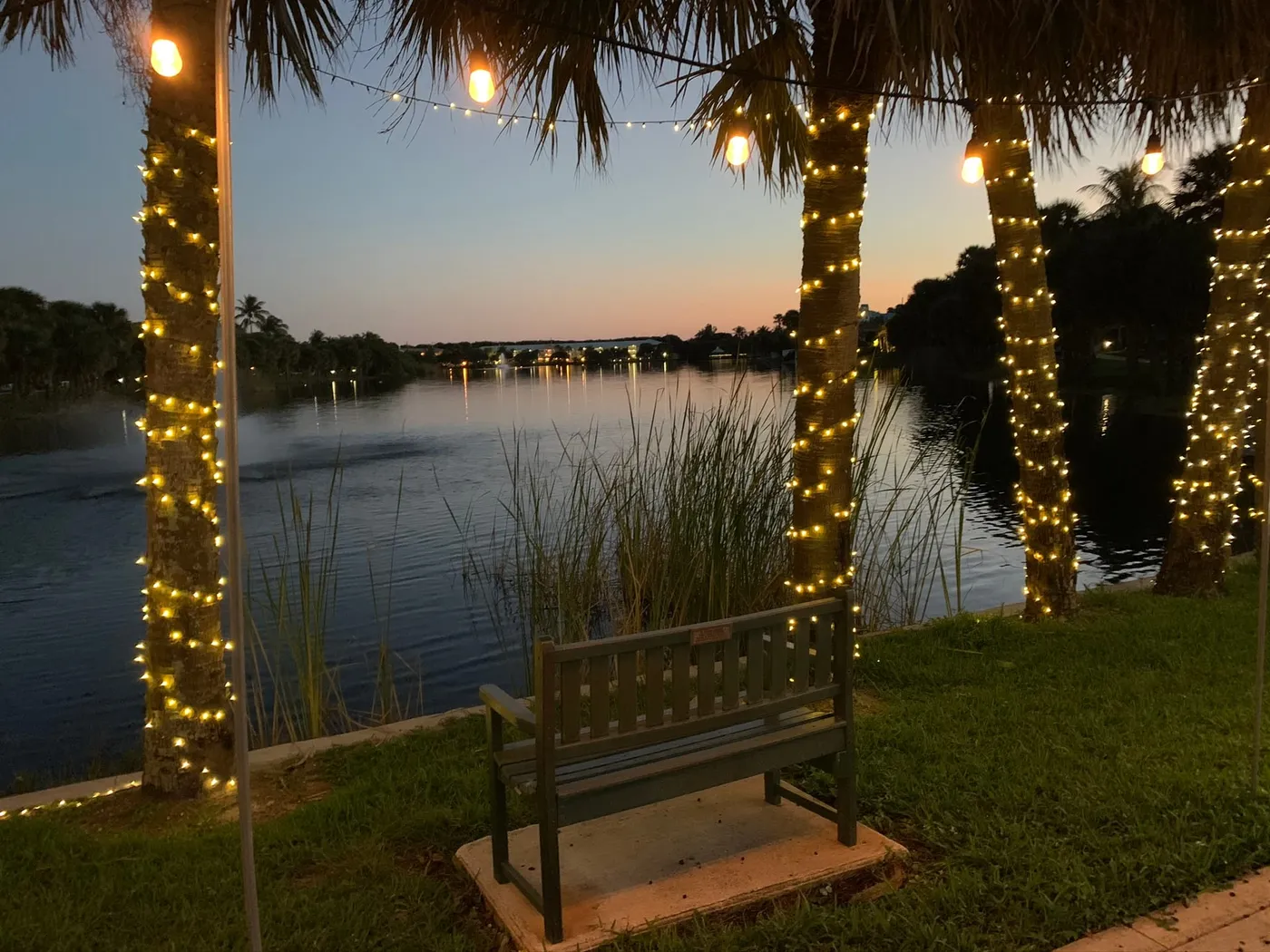
The Town says roughly 10% of its land is designated commercial, with no industrial land (Town of Juno Beach). In practice, in-town shopping, dining and evening options are more limited than in larger neighboring municipalities, and many residents drive for them. That land-use figure alone doesn't tell you about municipal services or future Town decisions; if those matter to you, read the Town's adopted FY 2025–2026 budget and recent council agendas.
Salt, maintenance and storms
Salt air and sun can be hard on exterior finishes, screens, fixtures and outdoor equipment near the water, so ask your inspector what they see and plan for maintenance. Hurricane season runs from June through November; check the building's storm protection, the association's storm procedures if it's a condo, and how your insurance treats wind damage.
Who may find the trade worthwhile
This may fit if…
- Beach, pier or natural-area time is part of your weekly routine.
- You're comfortable driving for many errands, restaurants and evenings out.
- The property type suits your maintenance tolerance, whether that's a condo where the association handles the building or a house where you handle everything.
- You're comfortable with association governance, or the home you want doesn't have one.
- Your budget covers the full monthly cost, including insurance, flood, association dues and a cushion for assessments or repairs.
Compare nearby options before deciding if…
- You want to walk to shops and restaurants most days.
- You need a property type or configuration that rarely comes up in town.
- You'd rather have more dining, retail and evening options within your own town.
- You'd rather not take on association governance or building-level risk.
- A predictable monthly cost matters more to you than the setting.
Our Juno Beach vs nearby cities guide compares the options.
Before you write an offer
- Visit the exact block at different times of day and on different days.
- Test your real errand routes at the times you'd drive them.
- Get property-specific insurance and flood information, including binding quotes and deductibles.
- Review the seller's disclosures and the inspection findings with your agent and inspector.
- For a condo, review the association's documents with qualified advisers.
- Compare the complete monthly cost and any reserve or assessment exposure, not just the list price.
The bottom line
Juno Beach can be compelling if beach access and a compact coastal setting are near the top of your list and the specific property checks out. It isn't automatically a better value, and it isn't a no-compromise choice: housing selection, carrying costs and in-town convenience all need testing against how you actually live. Do that homework, and you'll know whether the trade is worth it for you.
Community Guide
Neighborhoods, schools, prices, and lifestyle — all in one place.
Free Relocation Decision Guide
Palm Beach County or the Treasure Coast?
A side-by-side comparison of 14 areas we actually work in — from Boca Raton to Port St. Lucie — across 12 things that decide where you should live.
Juno Beach Market Trends
Live data from the local MLS.
Homes for Sale in Juno Beach
Single-family homes $500k+, updated daily.
Frequently Asked Questions
What are the pros and cons of living in Juno Beach?
Potential advantages include public beach access, the Juno Beach Pier, the Juno Dunes Natural Area, a compact town, a walkable pocket around Juno Beach Park, and no Florida personal income tax. The tradeoffs to test include specific housing choices, total ownership costs such as insurance and flood, condo governance, limited in-town errands and evening options, and coastal maintenance and storm preparation.
Does Juno Beach have high-rise buildings?
Yes. The Town's history notes that The Tower, built in 1972, was its first 12-story condominium, and the Town says its residential-high district allows buildings of up to 12 stories and 130 feet. What can be built near a specific property depends on its zoning and on approvals.
Is the beach in Juno Beach crowded?
It varies with the season, the day, the weather and parking. The shoreline includes county beach parks such as Juno Beach Park, home to the Juno Beach Pier. Visit at the times you'd actually go before judging how it feels.
Do I need flood insurance in Juno Beach?
It depends. Standard homeowners policies generally don't cover flood loss, and flood coverage is usually a separate policy or, with some insurers, an endorsement. Whether you need it depends on factors such as your lender, the flood zone, the elevation, the building and the policy. Get property-specific quotes during due diligence.
What should a condo buyer review in Juno Beach?
With qualified advisers, review the association's budget and financial statements, reserves, insurance, any disclosed pending litigation, assessment history, governing documents and meeting minutes, plus any milestone inspection or structural integrity reserve study that applies to the building under Florida law.
How far is Juno Beach from shopping and dining?
It depends on where you live and when you travel. In-town options are more limited than in larger neighboring communities, and many residents drive to nearby areas for errands, restaurants and evenings out. Test your own routes at the times you'd drive them.
Keep Reading
This article is provided by DO Homes Group at Premier Brokers International for informational purposes only and does not constitute legal, financial, tax, or investment advice. Market statistics, pricing, availability, HOA fees, and community details change frequently and may have changed since publication. School assignments, boundaries, and ratings may change — verify all school information directly with the appropriate school district, and consult official public safety resources for any crime data relevant to your search. Verify all details independently and consult the appropriate licensed professionals before making any real estate decision. DO Homes Group is committed to Equal Housing Opportunity and does not discriminate on the basis of race, color, religion, sex, handicap, familial status, or national origin.