
Juno Beach · Local Finds
Hidden Gems in Juno Beach, Florida
A self-guided history tour, two sides of Juno Dunes, conservation at Loggerhead Marinelife Center and a public boat ramp on the Intracoastal: the local experiences visitors often miss, and what to check before you go.
By Christine DekantUpdated

In Juno Beach, "hidden" means overlooked, not secret. The town is compact, and its best finds aren't private spots or local-only shortcuts. They're public places and programs that many visitors simply miss: a self-guided history tour, a natural area that runs from the ocean to the Intracoastal, a working conservation center, and a county boat ramp.
The other local skill is knowing where to check current conditions, hours and fees before you go, because beaches, programs and construction schedules change. Here's where to start.
In this guide
Discover Juno Beach: the self-guided history and landmarks tour
The Town's Discover Juno Beach Tour is a self-guided route through 23 historical landmarks and sites, from the pier and Loggerhead Park to Juno Dunes Natural Area and the Celestial Railroad historical marker. You can follow it with the Town's printable map or through the PocketSights mobile app.
It's a way to see the town beyond the shoreline, and the Town's own materials tell each site's story, so use them rather than secondhand history. For background before you go, see what it's really like living in Juno Beach.
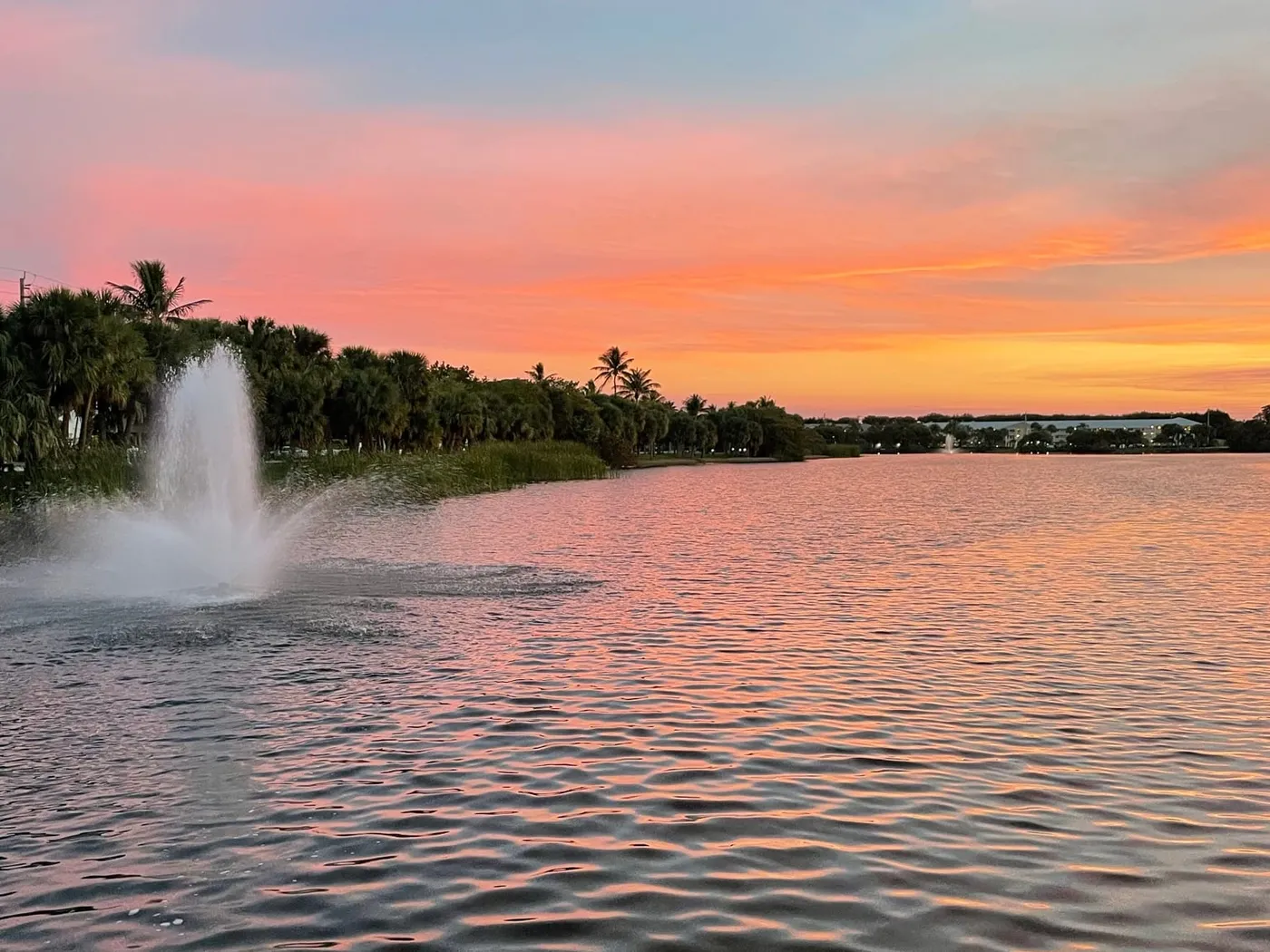
At the Town Center, Pelican Lake has a lakeside path, benches and a gazebo, a different view from the ocean side of town.
Juno Dunes Natural Area: two sides of the landscape
Juno Dunes Natural Area is a 569-acre county natural area that connects Atlantic and Intracoastal settings. It's open sunrise to sunset, and it has two tracts:
- The oceanfront tract (14200 U.S. Highway 1) sits on an ancient sand dune. A paved, accessible trail leads to a covered observation platform, and sandy hiking trails lead to the Atlantic. Parking is at Loggerhead Park, where there are restrooms.
- The west tract (14501 U.S. Highway 1) has its own parking lot and several trails: the paved Sawgrass Trail (0.21 miles), the sandy Scrub Oak Trail (1.8 miles, to the Intracoastal) and the sandy Scrub Hickory Trail (2.1 miles), plus a boardwalk through a sawgrass wetland, an observation tower over a basin marsh, and floating docks for boaters arriving from the Intracoastal.
Stay on marked trails, follow posted rules, bring water and sun protection, and leave the area as you found it.
Loggerhead Marinelife Center: conservation in real time
Loggerhead Marinelife Center is a nonprofit sea turtle research, rehabilitation, education and conservation center in Loggerhead Park. It rewards repeat visits, because what you see depends on the patients in care and the programs running at the time.
Two things are worth knowing:
- Releases depend on nature and safety. When the Center returns a rehabilitated turtle to the ocean, it may announce a public release, but there's no fixed schedule. Follow the Center's announcements rather than planning a trip around one.
- Hatchling programs are seasonal, with no guarantee. The Center describes its hatchling release program as dependent on how many nests are excavated and how many hatchlings are found, so hatchlings aren't guaranteed on a given night. It sets its own age, walking and no-photography rules.
Check the Center's site for current visiting hours, programs and volunteer opportunities. On the beach, keep your distance from nesting sea turtles and marked nests; our Juno Beach local guide covers turtle-season etiquette.
Juno Beach Park and the pier: practical local use
The pier is a landmark, not a secret, but plenty of visitors don't know how Juno Beach Park works. The county park, at 14775 U.S. Highway 1, is open sunrise to sunset and has a guarded swimming area, parking, picnic shelters, restrooms, outdoor showers and the 990-foot pier. Fishing is allowed from the pier but not in guarded swimming areas.
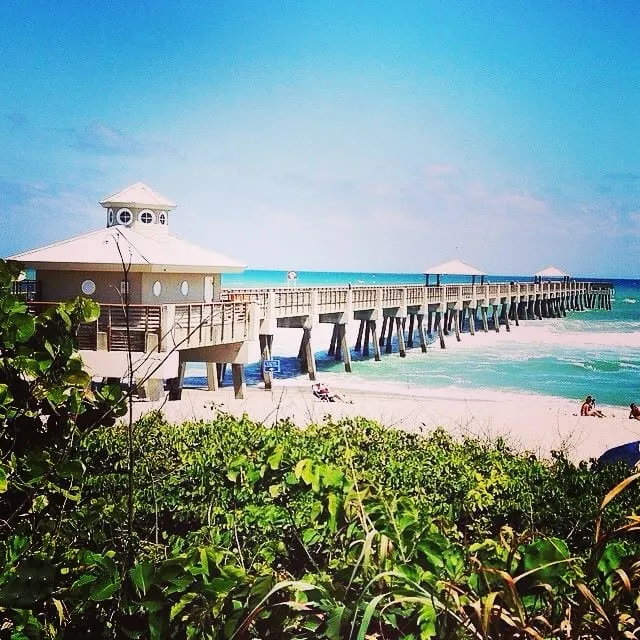
The Juno Beach Pier is a county facility managed by Loggerhead Marinelife Center. It isn't free: the Center lists a daily spectator fee and a separate fishing fee, and its hours change by season. Refurbishment work began on June 1, 2026 and is being done in sections, so check the pier page for current hours, fees and closures before you go.
Before swimming, check Palm Beach County's beach conditions and the flags at the lifeguard tower, and follow lifeguard instructions. Conditions change; official information beats a glance at the water.
Juno Park and the Intracoastal: a water-access alternative
On the Intracoastal side, Palm Beach County's Juno Park, at 2090 Juno Road, has a public boat ramp. The county lists ramp hours as sunrise to sunset, with no overnight parking, and boat-trailer parking needs a daily or annual permit (county boating information).
It's a starting point for people with their own appropriate boats and equipment. Check current access, site rules, weather and safety requirements before you launch.
A small museum many visitors miss
The Aviation Museum on the Beach, at 790 Juno Ocean Walk, displays more than 1,000 commercial model airplanes along with aviation memorabilia. Check its site for current hours before you go. For more ideas, see our guide to things to do in Juno Beach.
Before you go
- Check current beach conditions and flags with Palm Beach County before swimming.
- Check the pier's hours, fees and construction notices with Loggerhead Marinelife Center.
- Use official trail and park information for Juno Dunes, Juno Beach Park and Juno Park.
- Confirm program availability directly with Loggerhead Marinelife Center.
- Follow posted wildlife, parking and access rules.
- Bring water and sun protection.
- Leave natural areas and beaches as you found them.
Community Guide
Neighborhoods, schools, prices, and lifestyle — all in one place.
Juno Beach Market Trends
Live data from the local MLS.
Homes for Sale in Juno Beach
Single-family homes $500k+, updated daily.
Frequently Asked Questions
What are some lesser-known things to do in Juno Beach?
The Town's self-guided Discover Juno Beach Tour of 23 historical landmarks and sites, the oceanfront and west tracts of Juno Dunes Natural Area, Loggerhead Marinelife Center, Pelican Lake at the Town Center, the Juno Park boat ramp on the Intracoastal, and the Aviation Museum on the Beach. Check current hours, conditions and rules before you go.
Is the Juno Beach Pier free?
No. Loggerhead Marinelife Center, which manages the county-owned pier, lists a daily spectator fee and a separate fishing fee, and the pier's hours change by season. Refurbishment work began on June 1, 2026, so check the pier page for current hours, fees and closures.
Can I see a sea turtle release in Juno Beach?
Possibly, but it isn't guaranteed. Releases of rehabilitated turtles depend on nature and safety and have no fixed schedule, and hatchling programs are seasonal and depend on nest excavations. Follow Loggerhead Marinelife Center's current announcements.
When is Juno Dunes Natural Area open?
Sunrise to sunset. It has two tracts: an oceanfront tract with an observation platform and trails to the beach, parking at Loggerhead Park, and a west tract with its own parking lot, several trails, a sawgrass boardwalk, an observation tower and floating docks on the Intracoastal.
Where can I launch a boat in Juno Beach?
Palm Beach County's Juno Park, at 2090 Juno Road, has a public boat ramp. The county lists ramp hours as sunrise to sunset with no overnight parking, and boat-trailer parking needs a daily or annual permit. Check current access, site rules, weather and safety requirements before launching.
How do I check beach conditions in Juno Beach?
Use Palm Beach County's beach conditions page and the flags at the lifeguard tower, and follow lifeguard instructions. Juno Beach Park has a guarded swimming area; check the county's park page for current details.
Keep Reading
This article is provided by DO Homes Group at Premier Brokers International for informational purposes only and does not constitute legal, financial, tax, or investment advice. Market statistics, pricing, availability, HOA fees, and community details change frequently and may have changed since publication. School assignments, boundaries, and ratings may change — verify all school information directly with the appropriate school district, and consult official public safety resources for any crime data relevant to your search. Verify all details independently and consult the appropriate licensed professionals before making any real estate decision. DO Homes Group is committed to Equal Housing Opportunity and does not discriminate on the basis of race, color, religion, sex, handicap, familial status, or national origin.