
 Photo by Jatin Shah / MagiK Box
What It Costs to Build on Your Own Lot in Port St. Lucie
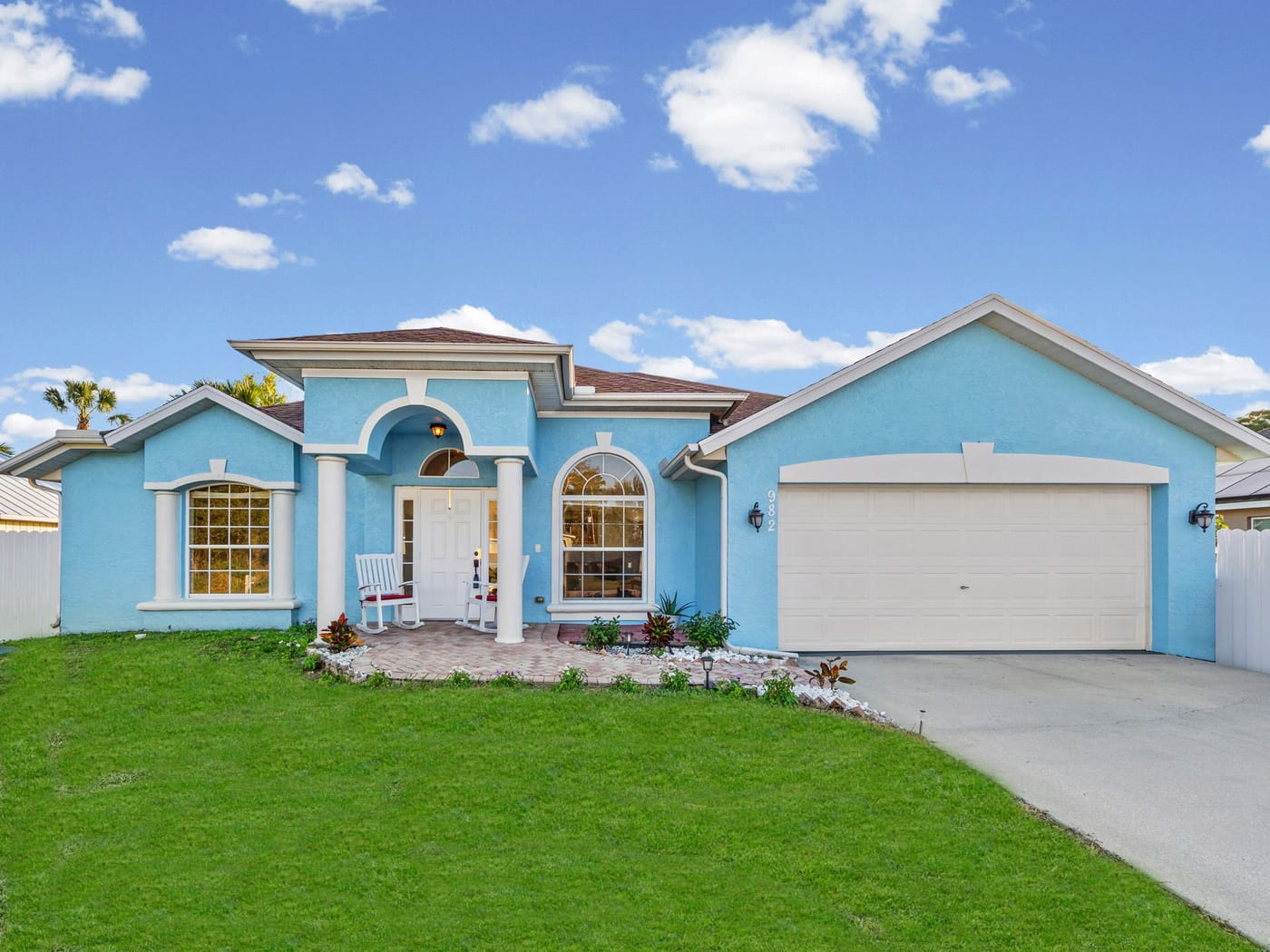
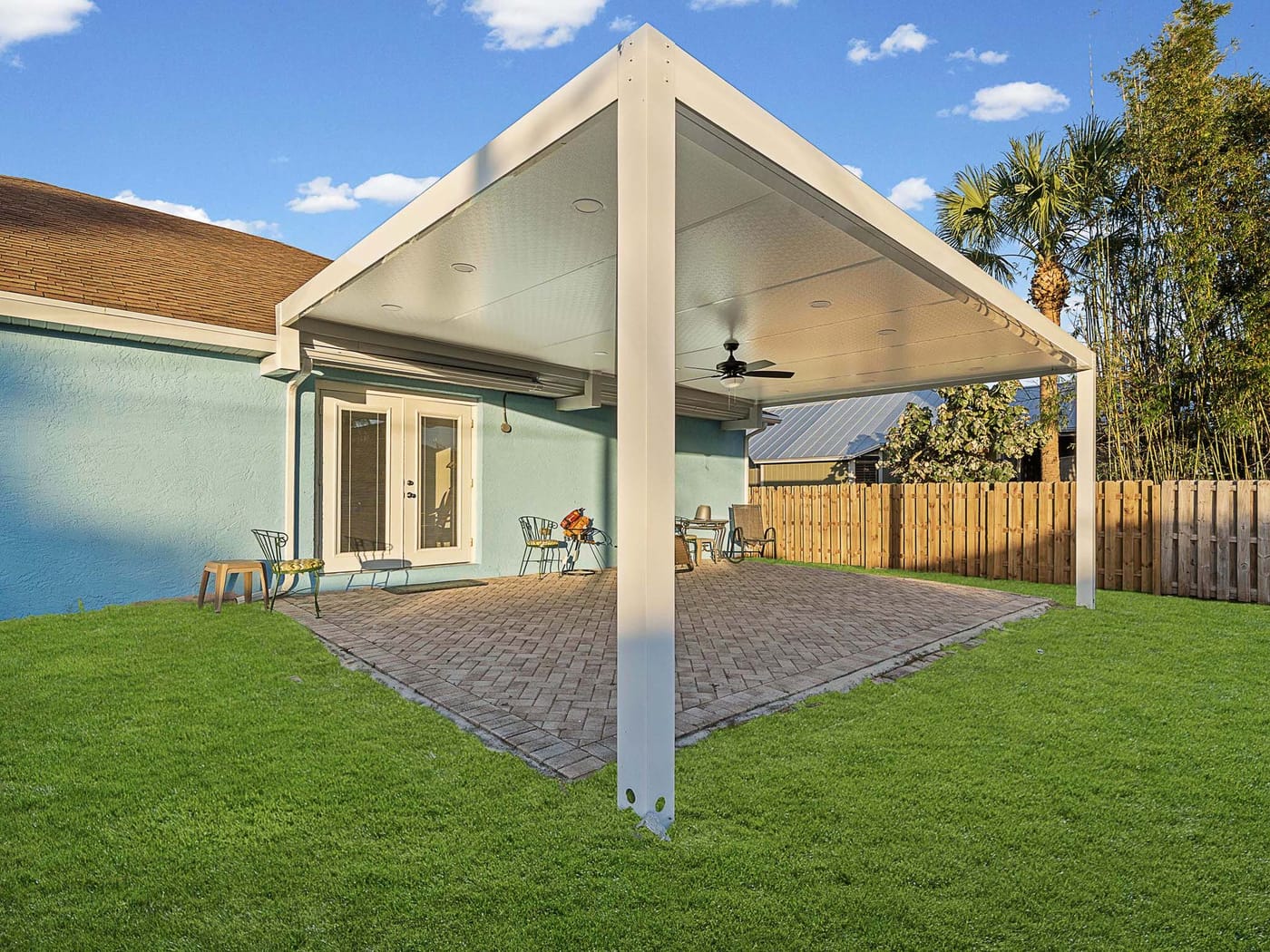
The finished article: a completed spot-lot build in Port St. Lucie. Everything in this guide is the arithmetic of getting to this photograph.
You have a lot and you have a builder. This is the part where the numbers decide whether the project is a good idea.
This is part three of three on building in Port St. Lucie. Part one covers choosing the lot and part two covers the builders. This part is the money: how construction lending differs from a mortgage, how long a build really takes, and the cases where buying something finished simply beats building.
Construction Financing Is Not a Mortgage
Buyers regularly arrive assuming they can finance this like a purchase. They cannot.
Building on your own lot typically means a construction loan or a construction-to-permanent loan, and those behave differently from a mortgage:
- Funds release in draws against completed stages rather than in a lump sum at closing
- The lender inspects before releasing each draw
- You are usually paying interest on the drawn balance during the build
- The lot is generally expected to be owned outright, or its purchase folded into the loan
- The appraisal is done against plans and specifications rather than a finished house, which introduces a gap risk if it comes in low
- Fewer lenders offer these than offer conventional mortgages, and terms vary more between them
Line up financing before the lot, not after. A lot under contract with no construction loan approved is the most common way these deals fall apart.
Free — August 2026 St. Lucie County Numbers
Houses Are Tight Here. Condo Buyers Still Have Choice.
In August 2026, houses sold at 95.5% of asking in 54 days, so there was less room than most buyers expect. Condos ran 7.6 months of supply and 82 days, which is a different negotiation entirely. Both sets of numbers, in one free PDF.
The Timeline, Honestly
Between buying a lot and moving in sit permitting, site work, the build itself, and inspections. Each of those stages has a queue, and the queues in a fast-growing city move with demand.
Any builder giving you a confident single number for total time either has an unusually predictable process, in which case ask them to put it in the contract, or is telling you what you want to hear.
Budget for the timeline being longer than quoted and for carrying costs during it — particularly if you are paying rent or an existing mortgage while the house goes up.
Budget a Contingency, and Plan to Carry Two Costs
Two things strain build budgets more than the contract price does, and neither is a sign that anything has gone wrong.
The first is that costs move. Change orders happen, allowances get exceeded once you are actually choosing tile and fixtures rather than reading a spec sheet, and material and trade pricing shifts over a build that runs many months. A project that lands exactly on its original number is the exception. Hold a meaningful contingency on top of the contract price rather than committing every available dollar to it, and treat that reserve as part of the budget rather than as spare money.
The second is that you pay for two places to live at once. Through construction you are covering rent or your existing mortgage while also servicing interest on the drawn balance of the construction loan, and that draw balance climbs as the build progresses. The interest is small early and meaningful by the end. Lenders also commonly want more money down on a construction loan than on a straightforward purchase, so the cash required up front is usually higher than buyers expect.
Neither of these is a reason to avoid building. They are reasons to decide your genuine ceiling before you start, rather than discovering it at the drywall stage — which is the point where stopping costs far more than continuing.
When Buying Finished Beats Building
Building on your own lot is not automatically the better deal, and it is worth saying so plainly.
Buying finished is usually the right call if you need to be in a house on a fixed date, if you cannot carry rent and construction interest at the same time, if you want to see the actual house before committing, or if the total of lot plus site work plus build lands above what comparable finished homes are selling for. That last one happens more often than buyers expect, and it is worth running honestly before you fall for a parcel.
Building tends to win when you want a specific layout, when you want a house with no deferred maintenance and current building-code construction, when you have found a lot with characteristics you cannot buy finished — a particular street, a bigger parcel, no association — or when you have the time and the tolerance for a process with moving parts.
Why We Search 2020 and Newer
Worth saying plainly, because it shapes everything above: when we are searching for a client in Port St. Lucie, we are generally looking at 2020 and newer.
That is not snobbery about older houses. It is that a 2020-or-newer home takes an entire category of risk off the table before the conversation starts. The roof is young. The air conditioning is young. The appliances are young. The construction meets current code, including the wind provisions that matter here. You are not quietly pricing in a roof replacement, an AC replacement, and an insurance carrier who would rather not write the policy at all.
Insurance is the part buyers underestimate. Roof age and wind-mitigation features swing premiums by thousands of dollars a year in this market, and on older stock they can determine whether a carrier will quote you at all. Newer construction generally quotes better, and that is an ongoing saving rather than a one-off. The full picture is in our cost of living guide.
Building on your own lot is the purest version of that logic. Everything is new by definition.
Which means the real comparison, for most of the people we work with, is not building new against buying old. It is building new against buying something built in the last few years — a much closer contest, decided mostly by whether you want a particular parcel or a particular layout badly enough to take on the process.
The Bottom Line
Building on your own lot in Port St. Lucie can be an excellent decision. It is not automatically the cheaper one, and anyone who tells you it always is has not added it up.
Total the lot, the site work, the impact and permit fees, the utility connection and the build itself, then compare that against what comparable finished homes are actually closing at. Sometimes building wins clearly. Sometimes it does not, and the honest answer is to buy something already standing.
If you want that arithmetic run for a specific parcel and a specific builder, send me the address. I will tell you what the total looks like and whether it beats buying finished — including when it does not.
Community Guide
Neighborhoods, schools, prices, and lifestyle — all in one place.
Port Saint Lucie Market Trends
Live data from the local MLS.
Thinking about Port St. Lucie?
We're local experts — let's find the right home for your move.
Homes for Sale in Port St. Lucie
Single-family homes $500k+, updated daily.
Free — August 2026 St. Lucie County Numbers
Houses Are Tight Here. Condo Buyers Still Have Choice.
In August 2026, houses sold at 95.5% of asking in 54 days, so there was less room than most buyers expect. Condos ran 7.6 months of supply and 82 days, which is a different negotiation entirely. Both sets of numbers, in one free PDF.
Free instant PDF · No obligation · See what's inside →
Frequently Asked Questions
How is a construction loan different from a mortgage?
Funds release in draws against completed stages rather than as a lump sum, the lender inspects before each draw, you generally pay interest on the drawn balance during the build, and the appraisal is done against plans rather than a finished house — which creates a gap risk if it comes in low. Fewer lenders offer them and terms vary more. Arrange financing before putting a lot under contract.
Is building on your own lot cheaper than buying a finished house?
Not automatically. Add the lot, the site work, the impact and permit fees, the utility connection and the build cost, then compare that total against what comparable finished homes are actually selling for. Sometimes building wins, sometimes it does not. Building tends to make sense when you want a specific layout, a parcel you cannot buy finished, or current-code construction with no deferred maintenance.
How long does it take to build on your own lot in Port St. Lucie?
Longer than the sales office estimate. Plan approval and permitting take time before anything is built, and the build itself runs from there — with weather, inspections, and material and trade availability all capable of moving the date. Treat any timeline you are given as a best case and make sure your living arrangements have slack in them.
When should I buy a finished house instead of building?
When you need to be in by a specific date, when you cannot carry both current housing costs and construction draws, when the total build cost does not beat comparable finished sales, or when you simply do not want to make several hundred decisions. Building rewards patience and punishes a hard deadline.
Keep Reading
This article is provided by DO Homes Group at Premier Brokers International for informational purposes only and does not constitute legal, financial, tax, or investment advice. Market statistics, pricing, availability, HOA fees, and community details change frequently and may have changed since publication. School assignments, boundaries, and ratings may change — verify all school information directly with the appropriate school district, and consult official public safety resources for any crime data relevant to your search. Verify all details independently and consult the appropriate licensed professionals before making any real estate decision. DO Homes Group is committed to Equal Housing Opportunity and does not discriminate on the basis of race, color, religion, sex, handicap, familial status, or national origin.