
Who Should Move to Port St. Lucie, Florida?
Port St. Lucie appeals to buyers who want space, a large selection of homes and a city that is still growing. The market runs from established non-HOA neighbourhoods through new construction, golf and country-club developments, age-qualified communities, townhomes and villas, to master-planned areas such as Tradition.
The city keeps adding parks, businesses, employment centres and entertainment projects. That growth creates opportunity, but it also brings construction, changing traffic patterns and neighbourhoods that take years to feel finished.
For the right buyer that combination is exciting. For someone who wants a compact, established coastal town, it may not be.
Here is the honest sorting.
Port St. Lucie May Suit You If
You Want More Housing Choices
The inventory is large and varied — established single-family homes, new construction, non-HOA neighbourhoods, gated and golf communities, age-qualified developments, townhomes and villas, larger suburban lots, homes with private pools, and waterfront or canal-front property.
Buyers comparing against communities farther south often find different combinations of size, age, condition and amenities for the same money. But no city is automatically affordable for every buyer: interest rates, property taxes, insurance, association fees, special assessments and transport costs all move the real monthly payment. Compare similar properties and calculate the complete cost, not the purchase price.
You Want New-Construction Options
Development is extensive, particularly in the western and southern sections. New construction appeals to buyers who want modern floor plans, newer roofs and mechanical systems, current building-code requirements, energy efficiency, community amenities, builder warranties and fewer immediate renovation projects.
A new home is not automatically cheaper to own or insure. Investigate builder upgrades and lot premiums, association fees, special-district assessments, club or amenity costs, insurance estimates, property-tax estimates after purchase, construction planned nearby, amenity completion dates and warranty terms. The advertised base price may not be the final cost.
You Are Comfortable Living in a Growing City
Port St. Lucie is not built out. Communities, commercial centres, roads, parks and employment areas are all still going in.
Current and planned projects include continued expansion at Tradition and Southern Grove, redevelopment at Walton & One, and a stadium for Port St. Lucie SC, the city's new USL League One club. The men's team is expected to begin play in 2027, with a women's team to follow. Timelines and details may change.
Living in a growing city means new shops, restaurants, jobs, parks and road improvements — and also construction traffic, detours, changing views, vacant parcels being built on, and neighbourhoods still under construction after you move in.
Investigate what is approved or planned near a property. The city publishes information on projects that have received site-plan approval, though schedules still change. Buy because the home and location work now, not solely for what may be built later.
You Prefer Space Over Walkability
The city suits buyers who would rather have a yard, driveway, garage or more interior space than live within walking distance of restaurants and entertainment.
Much of Port St. Lucie is suburban and residential. Some master-planned areas have sidewalks, trails and gathering spaces, but most residents depend on a vehicle. The trade buys private outdoor space, a larger home, community recreation, quieter streets and room for hobbies, guests or an office. Anyone who wants to walk to a dozen restaurants may prefer somewhere more compact.
You Do Not Commute Far South Every Day
The city works particularly well for people who work locally, work remotely or have flexible schedules. Employers span healthcare, education, retail, construction, government, hospitality, manufacturing and professional services, and Southern Grove is being developed as a major employment and commercial area.
Working from home? Confirm internet providers and speeds, cellular coverage, office space, backup-power needs and any association rules on home-based businesses.
Commuting to Palm Beach County? Test the drive in real weekday traffic. Fuel, tolls, maintenance and time away from home offset part of the financial advantage of buying farther north.
You Enjoy Parks, Recreation, Golf or Baseball
The parks network is substantial — playgrounds, athletic fields, pickleball and tennis, community centres, trails, dog parks and youth and adult sports programmes, alongside golf, baseball and riverfront recreation.
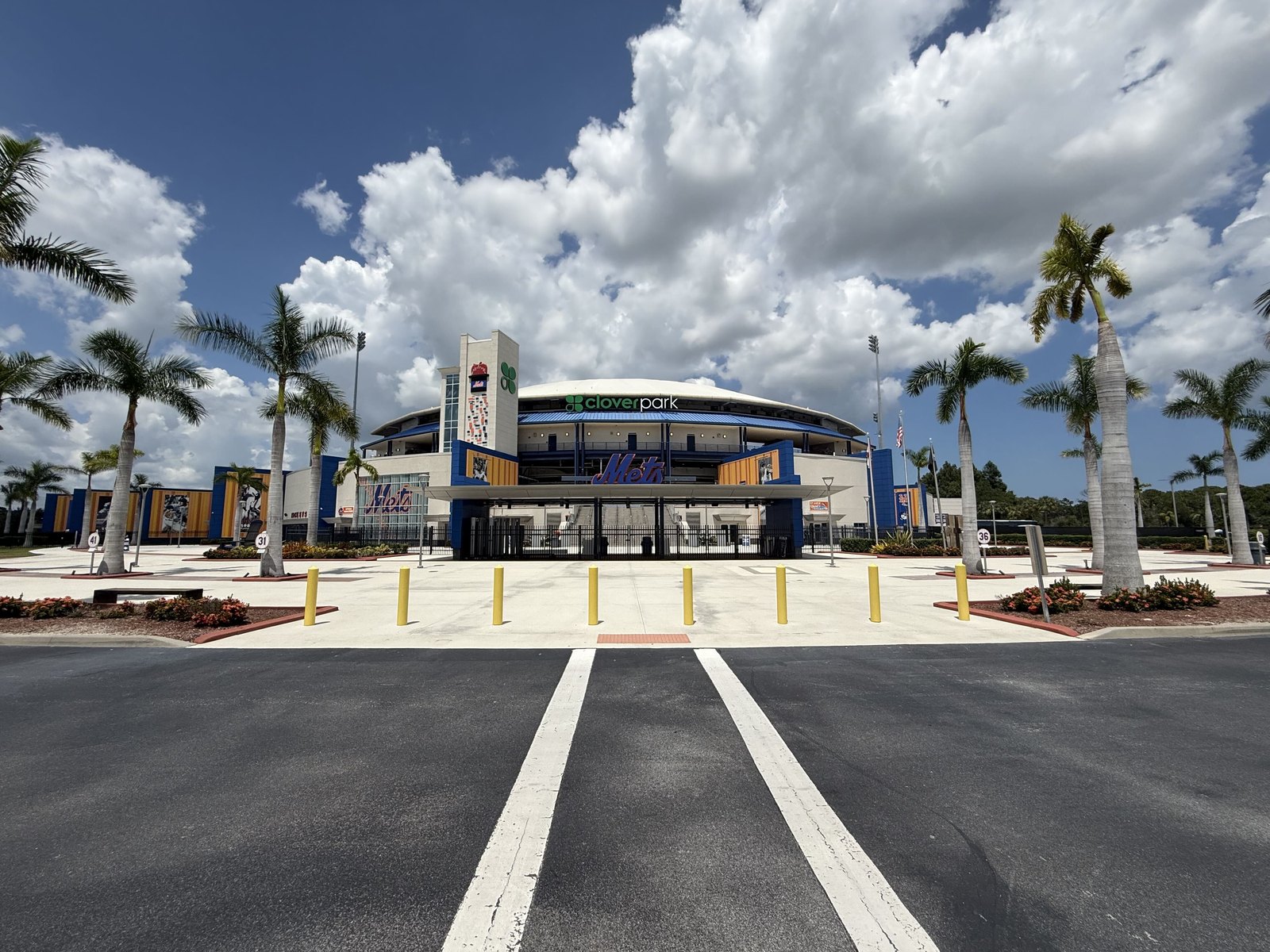
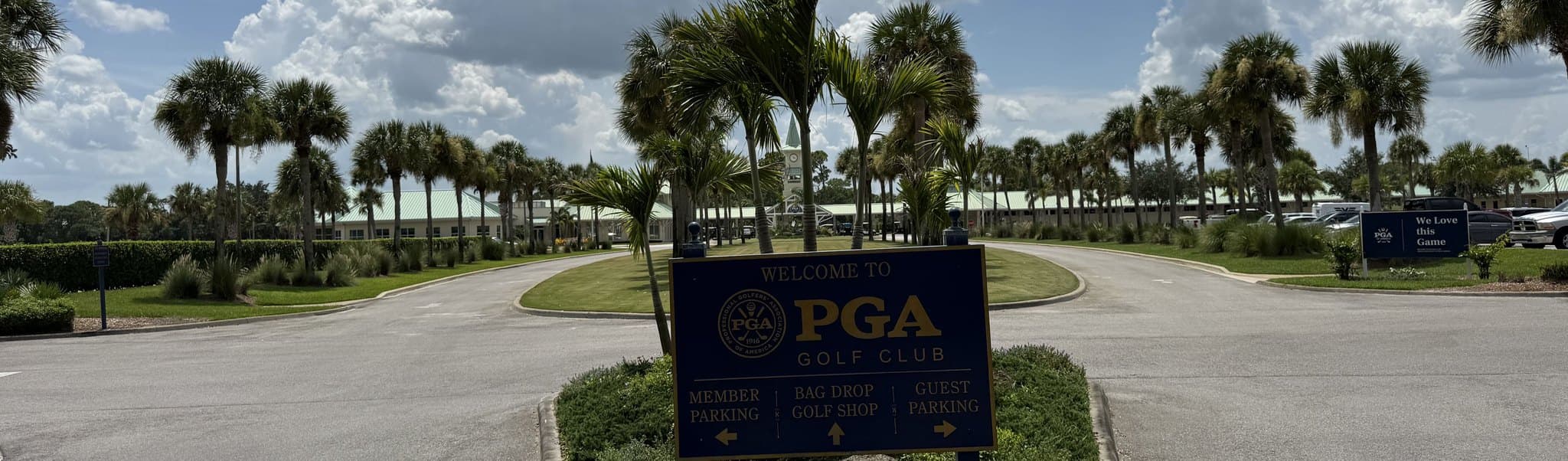
Clover Park is the spring-training home of the New York Mets and the regular-season home of the St. Lucie Mets. PGA Village and other area courses give plenty of golf, though membership requirements, fees and public access vary. A 110-acre Tradition Regional Park is also planned; verify schedules and final amenities against current city information.
You Want a Choice Between HOA and Non-HOA Living
The city offers both. An association community may bring gates, landscaping, amenities, events, exterior maintenance and common-area management. A non-HOA neighbourhood may mean fewer private restrictions and no regular dues — though the property is still subject to city ordinances, zoning and maintenance requirements.
Decide how much community structure you actually want, and read the applicable rules before buying.
You Are Buying Your First Home
The large inventory and variety give first-time buyers more choices than smaller nearby markets.
It should not, though, be described automatically as the cheapest or easiest place to buy. Weigh down-payment requirements, interest rates, mortgage insurance, property taxes, homeowners and flood insurance, association or club fees, special assessments, utilities, maintenance reserves and commuting costs. Builder incentives and assistance programmes may be available, but terms and long-term costs vary. A lower purchase price does not always produce a lower monthly payment.
You May Prefer Somewhere Else If
Beach Proximity Is Essential
Port St. Lucie is on the Treasure Coast but has no Atlantic shoreline of its own. Residents drive east to Hutchinson Island, Fort Pierce, Jensen Beach or the Martin County beaches, and the drive varies considerably by neighbourhood — someone near US-1 reaches the coast well before someone in western Port St. Lucie or Tradition.
If you expect to go several times a week, drive the route from the specific property first. If walking or cycling to the beach is part of the picture, a coastal community fits better.
You Want a Traditional Downtown
There is no single historic downtown at the centre of the city. Tradition Square provides a planned town-centre environment, and The Port District and Walton & One are intended to add more gathering, dining and entertainment space — but the city remains large, decentralised and car-dependent.
Buyers who want historic architecture, older commercial streets and a concentrated walkable downtown should look at Stuart or Fort Pierce.
You Want an Established Environment
Parts of the city are well established, particularly sections of St. Lucie West and the original residential grid. Others are under active construction.
If road projects, builder activity, changing traffic patterns or vacant parcels would bother you, evaluate the specific neighbourhood carefully. Visit at different times of day, and check nearby construction, approved development, road expansion, school and park projects, commercial plans and future phases within the community. Do not assume a quiet construction entrance stays quiet once the neighbourhood is finished.
You Want Extensive Nightlife
There are restaurants, community events, baseball, golf, parks and a growing entertainment calendar, but not the nightlife, waterfront dining concentration or urban activity of communities farther south. New projects may widen that — judge the city by what is open now, not what is announced.
A Few Specific Situations
Households With School-Age Children
Port St. Lucie is served by St. Lucie Public Schools. Student assignment involves district procedures, address information, regional zones and available programmes; the district describes it as a two-step process, and placement can depend on current rules and seat availability.
Verify with the district for the specific address. Do not rely on a listing, a third-party ratings site, an old boundary map, the seller's prior assignment or a neighbour.
Buyers Considering Age-Qualified Communities
Several exist, offering different mixes of housing, recreation and maintenance — social activities, golf, lower-maintenance living, gated access, villas or smaller homes.
Review age-qualification requirements, association fees, club costs, maintenance responsibilities, reserve funding, insurance arrangements, rental rules, guest and occupancy policies and pending assessments. They are not all structured the same way.
Investors and Buyers Planning to Rent
Long-term and seasonal rental opportunities exist, but no property should be bought on the assumption that a particular strategy will be permitted or profitable.
Verify city and county requirements, association restrictions, minimum lease periods, approval procedures, occupancy limits, insurance requirements, management costs, taxes and non-homestead assessments, current market rent, and vacancy and maintenance assumptions. Non-homestead property does not get the same tax treatment as a qualifying homestead. The St. Lucie County Property Appraiser's estimator is an estimate only and does not account for every exemption or portability situation.
Buyers Relocating From Another State
Florida has no state personal income tax, but that is one line in the comparison. Set it beside property taxes, homeowners and flood insurance, hurricane deductibles, association and special-district assessments, vehicle and commuting expenses, electricity and cooling, storm preparation and maintenance.
Taxes here are based on the specific parcel, assessed value, exemptions and applicable authorities. Use property-specific estimates rather than assuming taxes are simply lower than in another county.
A Practical Gut Check
Picture an ordinary weekday rather than a holiday.
Would you enjoy a suburban home with more space, driving to daily destinations, using neighbourhood parks, going to ballgames and community events, and watching the city develop around you? Port St. Lucie may be a strong fit.
Would you rather walk to dinner, live close to the ocean, spend evenings in a historic downtown, and avoid active construction and long drives? Another Treasure Coast or South Florida community probably matches you better.
Neither is universally better. It depends on how you expect to live every day.
What to Do Before Deciding
Drive your actual commute in weekday traffic. Time the trip to the beach. Visit the neighbourhood by day and in the evening. Review approved development nearby. Confirm school-assignment procedures if relevant. Get homeowners and flood-insurance estimates. Estimate property taxes after purchase. Review association, club and special-assessment obligations. Confirm water, sewer or septic service. Check internet and cellular service. Then calculate the complete monthly ownership cost.
In a city covering roughly 120 square miles, which part of Port St. Lucie you choose affects daily life as much as the house does.
The Bottom Line
Port St. Lucie suits buyers who want a large housing selection, new-construction options, suburban space, parks and a city still adding businesses and amenities.
It suits less well anyone who prioritises immediate beach access, extensive walkability, historic character, established nightlife or a short daily commute to Palm Beach County.
Buy the home and neighbourhood because they meet your needs now. Future growth may add convenience and opportunity, but projects get delayed, changed or cancelled, and appreciation is never guaranteed.
The city works best for buyers who understand both sides of its growth: more choice and new amenities, alongside construction, driving and continued change.
Community Guide
Neighborhoods, schools, prices, and lifestyle — all in one place.
Port Saint Lucie Market Trends
Live data from the local MLS.
Thinking about Port St. Lucie?
We're local experts — let's find the right home for your move.
Homes for Sale in Port St. Lucie
Single-family homes $500k+, updated daily.
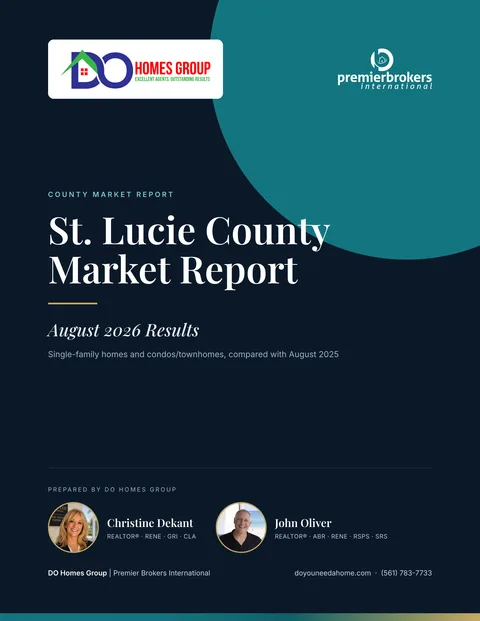
Free — August 2026 St. Lucie County Numbers
Houses Are Tight Here. Condo Buyers Still Have Choice.
In August 2026, houses sold at 95.5% of asking in 54 days, so there was less room than most buyers expect. Condos ran 7.6 months of supply and 82 days, which is a different negotiation entirely. Both sets of numbers, in one free PDF.
Free instant PDF · No obligation · See what's inside →
Frequently Asked Questions
Who should move to Port St. Lucie?
Buyers who want more housing choice and space than the coastal towns offer, who are comfortable living in a city that is still being built, and whose income is not tied to a daily commute into Palm Beach County. It suits people who prefer a yard and a garage to walking distance, and who will actually use the parks, golf and baseball.
Who should not move to Port St. Lucie?
Anyone who needs to walk to the beach, wants a historic walkable downtown, expects extensive nightlife close to home, or would be worn down by road projects, builder activity and vacant parcels being developed. A short daily commute to Palm Beach County is also difficult to achieve from here.
Is the commute from Port St. Lucie to Palm Beach County bad?
It's long enough to matter. Fuel, tolls, vehicle maintenance and time away from home offset part of the financial advantage of buying farther north, and travel time varies a lot depending on whether the home is near I-95, the Turnpike, US-1 or an interior road. Test the drive during actual weekday traffic before deciding.
Is Port St. Lucie good for first-time buyers?
The large inventory and variety of property types give first-time buyers more choices than smaller nearby markets. But it shouldn't be assumed to be the cheapest or easiest place to buy — weigh taxes, homeowners and flood insurance, association or club fees, special assessments, utilities and commuting costs. A lower purchase price does not always produce a lower monthly payment.
Is Port St. Lucie good for retirees?
There are several age-qualified communities offering different mixes of housing, recreation, lower-maintenance living and gated access, plus extensive golf. They are not all structured the same way, so review age-qualification rules, association and club costs, reserve funding, insurance arrangements, rental rules and any pending assessments before committing.
Is Port St. Lucie a good place for families?
The parks and recreation network is extensive, there's a lot of space per dollar, and youth sports are well provided for. On schools, Port St. Lucie is served by St. Lucie Public Schools and assignment depends on district procedures, regional zones and seat availability — verify with the district for the specific address rather than relying on a listing or a ratings website.
Keep Reading
This article is provided by DO Homes Group at Premier Brokers International for informational purposes only and does not constitute legal, financial, tax, or investment advice. Market statistics, pricing, availability, HOA fees, and community details change frequently and may have changed since publication. School assignments, boundaries, and ratings may change — verify all school information directly with the appropriate school district, and consult official public safety resources for any crime data relevant to your search. Verify all details independently and consult the appropriate licensed professionals before making any real estate decision. DO Homes Group is committed to Equal Housing Opportunity and does not discriminate on the basis of race, color, religion, sex, handicap, familial status, or national origin.