
Pros and Cons of Living in Port St. Lucie, Florida
Port St. Lucie offers a clear set of trade-offs. You get a large housing inventory, extensive new construction, suburban space, parks and communities with modern amenities. In exchange you get a spread-out, car-dependent city still under active development, and one that is not on the Atlantic Ocean.
Whether that balance works depends on the property, the district and how you expect to live each day. Here is both sides properly.
The Pros
A Large and Varied Housing Market
There is more choice here than in most Treasure Coast communities — established single-family homes, new-construction communities, non-HOA neighbourhoods, gated developments, golf and country-club communities, age-qualified developments, townhomes and villas, larger suburban lots, homes with private pools, and riverfront or canal-front property.
Buyers comparing against communities farther south often find different combinations of size, age, condition and amenities for the same budget. A lower purchase price does not always mean a lower monthly cost, though: property taxes, homeowners and flood insurance, association dues, club fees, special assessments and commuting expenses all count. Our cost breakdown works through the full figure.
Extensive New-Construction Options
Development is substantial, particularly in the western and southern sections, and new construction brings modern floor plans, newer roofs and mechanical systems, current building-code requirements, updated energy features, builder warranties, community amenities and fewer immediate renovation projects.
Newer homes may also carry wind-mitigation and storm-protection features that insurers take into account. But no property should be assumed to insure cheaply on the strength of its age. Replacement cost, roof design, opening protection, flood zone, deductibles and the insurer's own underwriting all matter, and a larger new home costs more to rebuild. Get an actual quote for the specific house.
The City Continues to Add Amenities
Port St. Lucie has historically grown faster residentially than commercially, but that is shifting: continued growth at Tradition and Southern Grove, additional retail, restaurants and healthcare, The Grove dining and entertainment project within The Port District, the Walton & One redevelopment near US-1, a planned professional soccer stadium, and new and expanded parks.
Distinguish between what is open today and what is proposed, approved or under construction. Schedules and final plans change.
Space and Suburban Living
The city suits buyers who want a yard, garage, private pool or simply more interior space. Many neighbourhoods are more suburban than anything in the denser coastal communities, and the city's size lets you choose between newer master-planned developments and established streets with fewer private-community restrictions.
For anyone who values space over walkability, that is a real advantage.
Parks and Recreation
The system is extensive — playgrounds, baseball and softball fields, soccer pitches, pickleball and tennis courts, dog parks, community pools, walking and cycling paths, recreation programmes, riverfront parks and public gathering spaces.
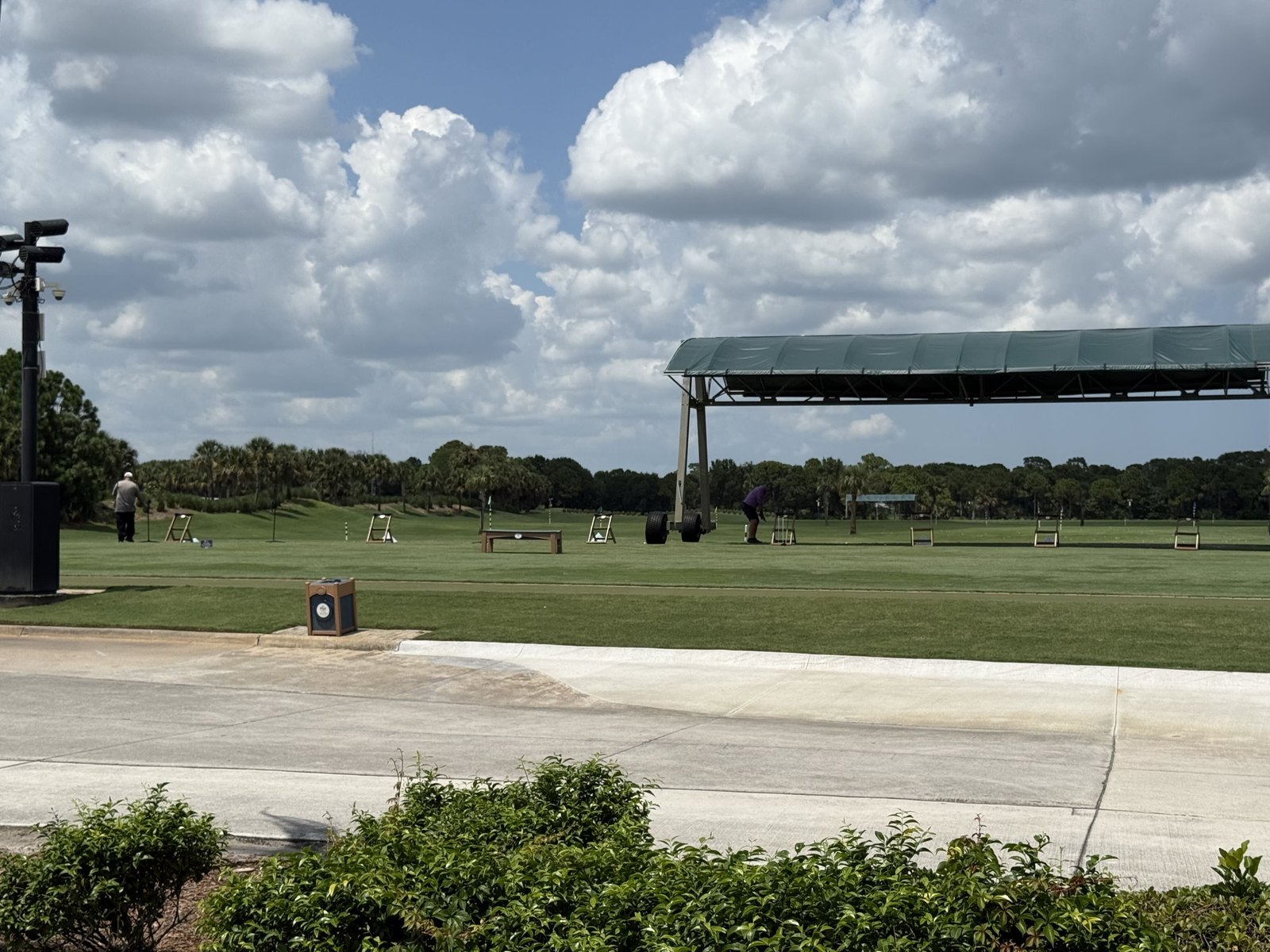
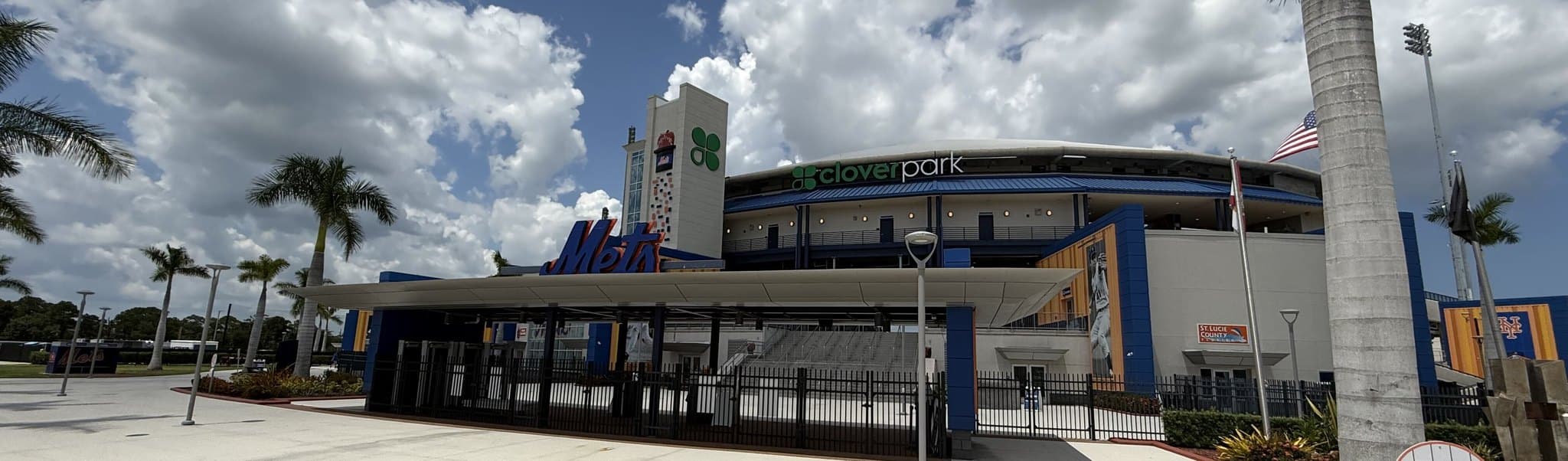
Clover Park provides both New York Mets spring training and St. Lucie Mets minor-league baseball. PGA Village and other area courses cover golf, though access and membership structures vary.
Access to Rivers and Preserved Natural Areas
Port St. Lucie is usually associated with subdivisions, but the area also holds rivers, wetlands and protected natural space. The North Fork of the St. Lucie River offers paddling, boating, fishing and wildlife watching, and Savannas Preserve State Park protects an extensive freshwater marsh system along the region's eastern side.
Public parks, the botanical gardens and environmental centres add more. These are easy to overlook and they are the sharpest contrast to the city's residential and commercial corridors.
Both HOA and Non-HOA Choices
The city offers association-managed communities and neighbourhoods without them. An HOA may bring gates, landscaping, pools and clubhouses, events, exterior maintenance and common-area management. A non-HOA neighbourhood may mean fewer private restrictions and no regular dues.
Neither is automatically better. Decide how much community oversight you want — and note that even a property without an HOA is still subject to city zoning, ordinances and maintenance requirements.
No State Personal Income Tax
Florida does not impose one, which can matter for someone relocating from a state that does. Weigh it alongside property taxes, insurance, transport, utilities and maintenance: the absence of a state income tax does not by itself make a particular property cheap to own.
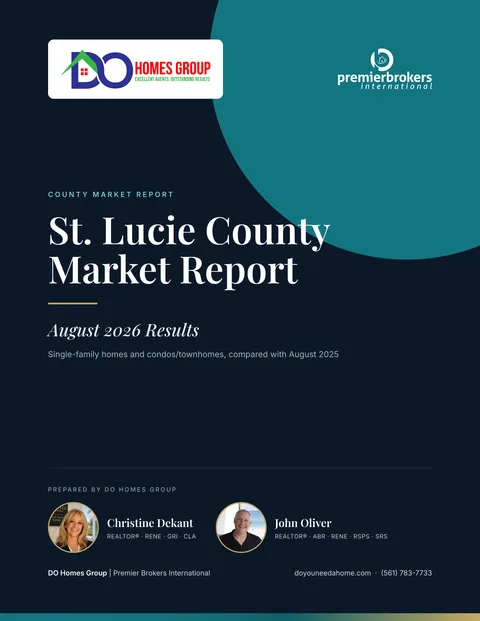
Free — August 2026 St. Lucie County Numbers
Houses Are Tight Here. Condo Buyers Still Have Choice.
In August 2026, houses sold at 95.5% of asking in 54 days, so there was less room than most buyers expect. Condos ran 7.6 months of supply and 82 days, which is a different negotiation entirely. Both sets of numbers, in one free PDF.
The Cons
It Is Not on the Beach
Port St. Lucie is on the Treasure Coast but has no Atlantic shoreline of its own. Residents drive east to Hutchinson Island, Fort Pierce, Jensen Beach or the Martin County beaches — reasonably convenient from an eastern neighbourhood, considerably longer from Tradition or the western side.
If you plan to go often, test the route from the specific property. If you pictured walking or cycling to the ocean, a coastal community will suit you better.
Commuting South Can Be Difficult
Many residents commute to Martin or Palm Beach County, and the drive brings heavy weekday traffic, tolls, fuel, vehicle maintenance, additional mileage, construction delays and significant time away from home.
A home near I-95 or the Turnpike is a very different proposition from one requiring a long crawl across the city before you even reach the highway. Drive the route in real morning and evening traffic before buying — the time and expense can erode much of the financial benefit of buying farther north. Our who should move here guide goes into why this derails people.
Special-District Assessments Can Increase Costs
Some newer and master-planned communities sit within a Community Development District or another special-assessment district. A CDD is a special-purpose governmental district that can finance and maintain infrastructure and community facilities, and its assessments may appear as non-ad valorem charges on the tax bill.
Not every community has one, and not every special assessment is a CDD charge. Obtain the current tax bill, the name of each district, the annual amount, the split between debt and maintenance components, any payoff information and the community's required disclosures. Debt assessments may eventually be repaid; maintenance assessments may continue.
The number that matters is the complete annual cost, not whether someone calls the charge a CDD.
The City Is Spread Out and Car-Dependent
Port St. Lucie covers roughly 120 square miles with no single traditional downtown at the centre of daily life. Residents organise around districts — Tradition, St. Lucie West, PGA Village, the eastern US-1 corridor — and two people who both live in Port St. Lucie can still be 20 or 30 minutes apart.
Nearly everything requires a car: work, schools, shopping, medical appointments, restaurants, recreation, the beach, seeing friends. Anyone used to a compact or walkable city will feel the scale.
Amenities Still Lag Housing in Some Areas
Some of the newest communities opened before nearby retail, restaurants, roads and public facilities were finished. A map or builder presentation may show conveniences that are not yet operating.
In a developing area, establish what is open today, what is under construction, what has been approved, what is still conceptual, the expected timeline, and how far current services actually are. A planned grocery store does not help with this week's errands.
Construction and Road Work Are Common
Growth requires roads, utilities, schools, public-safety facilities and commercial development, which means detours, construction traffic, dust and noise, changing travel patterns, new signals, road widening, vacant land being built on, and continued building near recently completed homes.
Review approved development and infrastructure projects around the property. Living beside construction may be temporary, but large communities take years to finish.
Future Development Is Not Guaranteed
Planned amenities may add convenience and new destinations. They may also be delayed, redesigned or cancelled, and their effect on a particular property's value is uncertain.
Buying near a proposed restaurant district, stadium or commercial centre is not a guaranteed investment strategy. Choose a home because its current location, cost and lifestyle work.
Resale Homes May Compete With Builders
Where construction is continuous, resale sellers compete directly with builders — who can offer closing-cost assistance, mortgage-rate incentives, design credits, new appliances, warranty coverage and inventory-home discounts.
A resale property can still win on its lot, upgrades, established landscaping, location or the absence of construction nearby. But anyone expecting to move again within a few years should look hard at how much new inventory is planned in the surrounding community. Values are never guaranteed, and short ownership periods are exposed to transaction costs and changing conditions.
Some Newer Communities May Feel Repetitive
Master-planned neighbourhoods often work from a limited set of builders, designs and exterior styles. Some buyers like the consistency and the organised appearance; others want varied architecture, mature trees and streets that developed over decades.
The city offers both, but its newest areas will not satisfy someone looking for historic or organically grown character.
Insurance Is Still a Significant Expense
Inland from the Atlantic does not mean insulated. The city remains exposed to hurricanes, wind, heavy rainfall and flooding, and premiums depend on roof age and shape, construction type, wind-mitigation features, window and door protection, flood zone, elevation, replacement cost, prior claims, deductibles and carrier requirements.
Newer inland construction may have favourable characteristics, but never assume insurance will be cheap or even readily available. Get homeowners and flood estimates during the inspection period.
Property Taxes Require a New-Owner Estimate
The seller's current bill may not resemble yours. A long-term owner may benefit from Homestead Exemption and Save Our Homes limits, and after a qualifying ownership change the property is generally reassessed at just value as of the following January 1.
Use the St. Lucie County Property Appraiser's estimator as a starting point, then confirm the anticipated assessed value, applicable exemptions, portability where relevant, municipal and county millage, special-district assessments and non-ad valorem charges. Do not compare counties on the strength of the seller's bill or a generalised millage claim.
How to Weigh the Trade-Offs
Port St. Lucie suits buyers who want a large selection of homes, new-construction choices, more suburban space, parks and recreation, a choice between HOA and non-HOA living, golf and baseball, a growing employment base, and a city still adding amenities.
It suits less well anyone who prioritises immediate beach access, extensive walkability, historic character, a compact downtown, a short daily commute to Palm Beach County, minimal construction or a fully built-out environment.
Neither set of preferences is better. The decision should reflect how you expect to live every day — not simply which city offers the largest house for the price.
What to Verify Before Buying
Confirm the complete property-tax estimate after purchase; homeowners and flood-insurance quotes; every association, club and special-assessment obligation; whether the property sits in a CDD or another district; public water, sewer or septic service; roof age and wind-mitigation features; current and planned development nearby; commute times in weekday traffic; travel time to the beach; school-assignment procedures where relevant; builder upgrades and lot premiums; amenity completion dates; rental and occupancy restrictions; and internet and cellular service.
A lower list price can be wiped out by assessments, insurance, taxes or transport. Calculate the complete monthly and annual expense for the specific property.
The Bottom Line
Port St. Lucie offers space, housing variety, new construction, parks and a city that keeps growing. Its trade-offs are driving, construction, limited walkability, distance from the beach, and property-specific costs that are not visible in the list price.
For buyers who want a suburban home and are comfortable living somewhere still being built, the combination is genuinely compelling. For buyers who want a compact coastal community with established character and little remaining construction, somewhere else will fit better.
Two questions resolve most of the decision. Does the complete cost of the specific property work for your budget? And does its location work for your actual daily routine?
Answer both before you fall in love with the floor plan.
Community Guide
Neighborhoods, schools, prices, and lifestyle — all in one place.
Port Saint Lucie Market Trends
Live data from the local MLS.
Thinking about Port St. Lucie?
We're local experts — let's find the right home for your move.
Homes for Sale in Port St. Lucie
Single-family homes $500k+, updated daily.
Free — August 2026 St. Lucie County Numbers
Houses Are Tight Here. Condo Buyers Still Have Choice.
In August 2026, houses sold at 95.5% of asking in 54 days, so there was less room than most buyers expect. Condos ran 7.6 months of supply and 82 days, which is a different negotiation entirely. Both sets of numbers, in one free PDF.
Free instant PDF · No obligation · See what's inside →
Frequently Asked Questions
Is Port St. Lucie a good place to live?
For many buyers, yes — if the priority is more house and newer construction for the money, suburban space and a large parks network, and you can accept a car-dependent layout, no ocean frontage of its own, ongoing construction and a long drive to Palm Beach County jobs. It is a weaker fit if you want to walk to the beach or to a historic downtown. Before deciding, price the insurance, the new-owner property tax and any special-district assessment on the specific address.
What are the pros and cons of living in Port St. Lucie?
Pros: a large and varied housing market, extensive new construction, suburban space, an extensive parks network, real access to the North Fork and Savannas Preserve, a choice between HOA and non-HOA living, and no state income tax. Cons: no beach of its own, a difficult commute south, special-district assessments in some communities, a spread-out car-dependent layout, amenities that still lag housing in places, and constant construction.
What is the biggest downside of living in Port St. Lucie?
For most people it's one of two things: the city has no Atlantic shoreline of its own, so the beach is a genuine drive east rather than a quick hop; or the Palm Beach County commute, which brings traffic, tolls, fuel, vehicle wear and real time away from home. Either can erode the financial advantage of buying farther north.
Is Port St. Lucie worth it?
It depends entirely on the specific property and your daily routine. The trade is space, newness and housing choice against driving, construction and distance from the coast. Two questions settle most of it: does the complete monthly cost of that address work for your budget, and does its location work for how you actually live?
Is insurance expensive in Port St. Lucie?
Inland does not mean insulated — the city is still exposed to hurricanes, wind, heavy rainfall and flooding. Premiums depend on roof age and shape, construction type, wind-mitigation features, opening protection, flood zone, elevation, replacement cost, prior claims and deductibles. Newer construction may have favourable characteristics, but never assume a newer home insures cheaply: a larger house costs more to rebuild. Get quotes on the specific property during your inspection period.
Does Port St. Lucie have anything to do?
More than its reputation suggests, and more each year. Mets spring training and St. Lucie Mets baseball at Clover Park, golf at PGA Village and beyond, paddling the North Fork, Savannas Preserve, the botanical gardens, an extensive parks and trails network, and The Port District's riverfront. The Grove, Walton & One and a planned soccer stadium would widen it further — but judge the city on what is open now, not what is announced.
How bad is the construction and growth in Port St. Lucie?
It is a constant feature rather than a passing phase. Growth requires roads, utilities, schools and commercial development, which means detours, construction traffic, dust and noise, changing travel patterns and vacant land being built on. Large communities take years to finish, so review approved development around any property and visit at different times of day before deciding.
Keep Reading
This article is provided by DO Homes Group at Premier Brokers International for informational purposes only and does not constitute legal, financial, tax, or investment advice. Market statistics, pricing, availability, HOA fees, and community details change frequently and may have changed since publication. School assignments, boundaries, and ratings may change — verify all school information directly with the appropriate school district, and consult official public safety resources for any crime data relevant to your search. Verify all details independently and consult the appropriate licensed professionals before making any real estate decision. DO Homes Group is committed to Equal Housing Opportunity and does not discriminate on the basis of race, color, religion, sex, handicap, familial status, or national origin.