

Pros and Cons of Living in Hobe Sound, Florida
Hobe Sound is often described as a hidden gem, but that phrase does not tell prospective residents very much.
The community's real appeal is easier to explain: protected natural surroundings, a quieter pace, uncrowded coastal areas and convenient access to both Jupiter and Stuart.
Those same qualities can also create drawbacks. Hobe Sound has limited nightlife, fewer shopping and dining options, a largely car-dependent lifestyle and a housing stock that requires careful property-by-property evaluation.
Here is an honest look at the pros and cons of living in Hobe Sound.
The Pros
Protected Land Defines the Area
Jonathan Dickinson State Park is the largest state park in Southeast Florida and contains more than 10,000 acres and 16 distinct natural communities.
Hobe Sound is also close to the Nathaniel P. Reed Hobe Sound National Wildlife Refuge, Blowing Rocks Preserve and the Loxahatchee River, part of which carries a federal Wild and Scenic River designation.
These are not isolated attractions requiring a special trip. Protected land, beaches and waterways are part of the community's everyday surroundings.
Residents can enjoy hiking, biking, paddling, fishing, camping, wildlife viewing and quiet beach mornings without traveling far from home.
For buyers who genuinely enjoy the outdoors, this is one of Hobe Sound's greatest advantages.
It Is Genuinely Quiet
Hobe Sound has a slower and quieter atmosphere than many communities farther south along Florida's Atlantic coast.
The commercial area near Bridge Road and Dixie Highway is compact, most neighborhoods are residential, and evenings tend to be peaceful.
For the right person, that quietness is the primary attraction.
Buyers who want to return home to a calm environment after visiting nearby Jupiter, Stuart or Palm Beach Gardens may find that Hobe Sound offers an appealing balance.
Growth Is Guided by Martin County
Hobe Sound is part of unincorporated Martin County and is governed by the county's comprehensive planning, zoning and land-development regulations.
Martin County uses tools such as future land-use designations, zoning districts and an Urban Service District to guide where and how development occurs. The Hobe Sound Community Redevelopment Area also emphasizes preserving and strengthening the community's small-town character.
Specific height, density and development rules vary by parcel and zoning classification, but the overall planning framework has helped shape Hobe Sound's lower-scale appearance.
Buyers concerned about future development should still investigate the zoning, future land-use designation and approved projects surrounding a particular property.
Jupiter and Stuart Are Nearby
Hobe Sound sits between Jupiter to the south and Stuart to the north.
That location allows residents to live in a quieter community while remaining within a reasonable drive of larger shopping areas, restaurants, medical services, cultural activities and entertainment.
Travel time depends on the property's location, destination, traffic and season, but both cities are close enough for regular errands or an evening out.
Many residents consider this one of Hobe Sound's strongest advantages: it feels removed without being isolated.
The Beaches Have a More Natural Setting
Hobe Sound Beach and the shoreline inside the wildlife refuge are not always empty — weekends and the winter season fill them — but the protected land behind the dune changes the character completely.
There is no continuous strip of hotels, condominium towers and commercial development along this stretch. For anyone who prefers a beach with fewer buildings on it, that difference is the whole point.
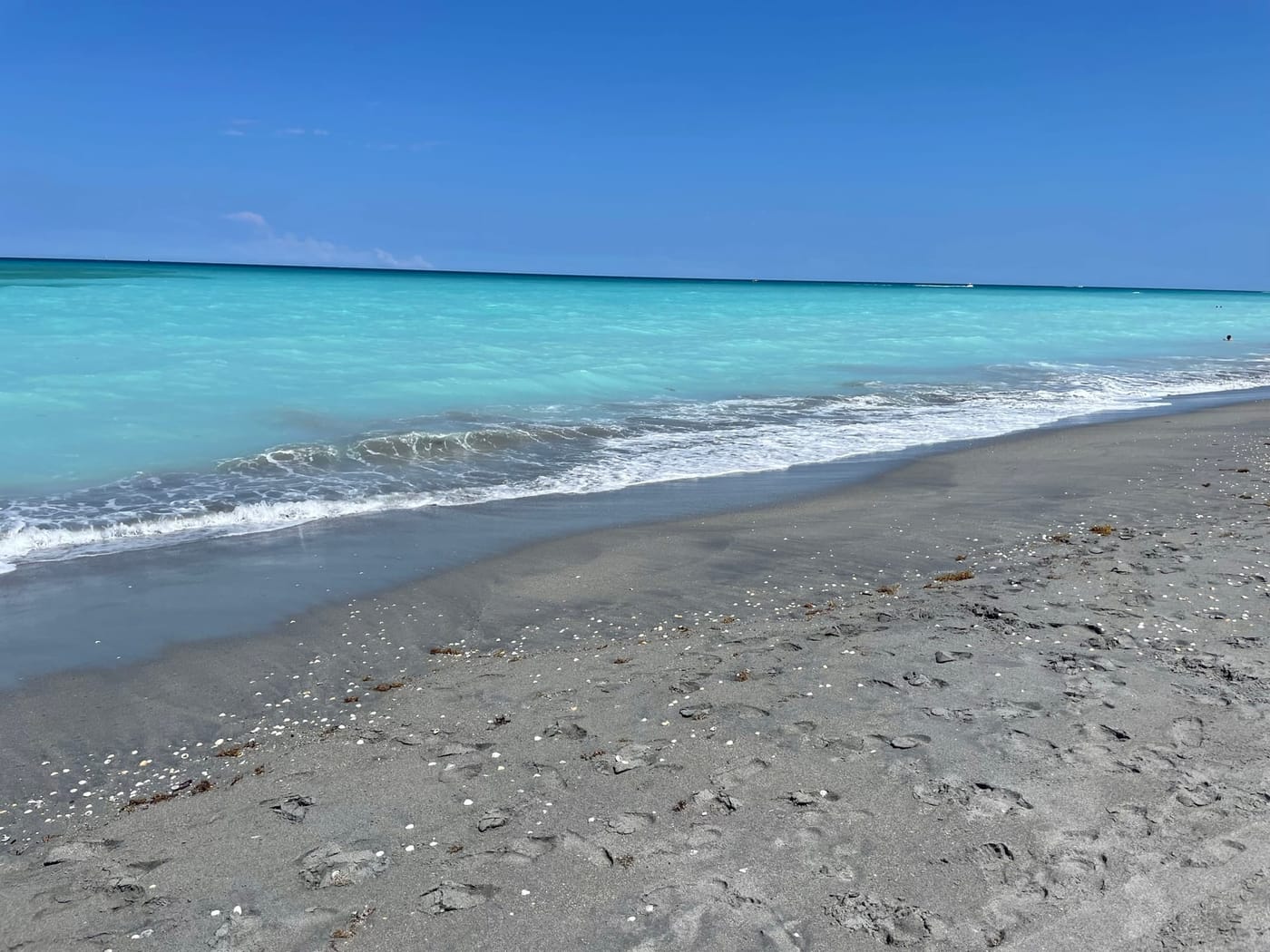
Beach Access Without a Resort District
Public ocean access here does not come with the resort district attached to it in most of coastal Florida, and that is a direct consequence of how much of the shoreline is conservation land rather than developable.
Parking, access rules and seasonal conditions still vary by location, so check them before you go.
There Is a Wide Variety of Housing
More choice than most people expect from a community this size, as our neighborhood guide sets out:
- Established single-family neighborhoods.
- Golf and planned communities.
- Condominiums, villas and townhomes.
- Manufactured-home communities.
- Age-qualified communities.
- Larger lots and semi-rural properties.
- Mainland waterfront homes.
- Private club living.
One trap worth knowing: Jupiter Island properties often use Hobe Sound as their mailing city, but Jupiter Island is a separate incorporated municipality with an entirely different market. Separate the two before comparing anything, or the numbers will mislead you.
Mainland Hobe Sound Is Unincorporated
There is no Hobe Sound city government. Services and property taxation run through Martin County and the other applicable taxing districts instead.
That does not automatically mean a lower tax bill. What you pay depends on assessed value, exemptions and every district that applies to the parcel — so read the actual tax record for the specific property rather than comparing areas in general.
The Cons
Entertainment Options Are Limited
There are local restaurants, shops and community events, but no nightlife, entertainment or shopping district. For a broader choice of restaurants, theaters and evening activity, residents drive to Jupiter, Stuart or Palm Beach Gardens.
Some people consider that a fair trade for the quiet. Others find themselves leaving town more often than they expected. Spend an evening here before deciding — not just an afternoon touring homes or a morning at the beach.
Most Residents Depend on a Car
The historic commercial district is compact, but most neighborhoods are not within walking distance of groceries, restaurants, beaches or everyday services.
Martin County does run public transit, MARTY, and it reaches Hobe Sound — but the fixed routes are weekday daytime and thin, so it is not a substitute for a car. Seasonal traffic also slows US-1. Drive your regular routes on the days and at the times you would actually use them.
The Local Employment Base Is Limited
There is no large commercial center or concentration of employers. Some residents work locally; most commute to Stuart, Jupiter, Palm Beach Gardens or farther south, or work remotely.
If you will commute, test the route in real weekday traffic first. If you will work from home, confirm internet options, cellular coverage and service quality at the specific property — both vary here.
Coastal Living Brings Additional Responsibilities
Salt air, wind exposure, humidity and storms all take a toll on roofing, exterior finishes, metal components, landscaping and mechanical systems. Budget for maintenance a comparable inland house would not need.
Property near sea turtle nesting beaches may also carry seasonal lighting and beachfront rules, which depend on location and governing jurisdiction. For some owners that means retrofitting non-compliant exterior lighting — a real expense buyers rarely price in. Confirm what applies to the address before you commit.
Insurance Requires Early Investigation
Cost and availability vary enormously between properties that look similar. Wind exposure is genuine — Martin County took two hurricane landfalls within three weeks in 2004. What drives your number:
- Roof age and condition.
- Construction type.
- Wind-mitigation features.
- Impact-rated windows or shutters.
- Electrical and plumbing updates.
- Prior claims.
- Flood zone and elevation.
- Replacement cost.
- The insurer's current underwriting requirements.
Flood is a separate policy from homeowners, and neighboring parcels can sit in different flood situations. Get actual quotes during the inspection period rather than trusting the seller's current premium or a general estimate.
Utility Service Is Not Uniform
Some properties have public water and sewer; others run on a private well, a septic system, or a combination. It varies by neighborhood and sometimes by street.
Neither is automatically better — the difference is a monthly bill versus a maintenance schedule with a replacement bill at the end of it. Verify what serves the address, and the age and condition of any well or septic, then budget accordingly. Our cost of living guide covers the diligence.
Some Homes Require More Careful Evaluation
Many mainland neighborhoods were built decades ago. That buys mature landscaping, larger lots and architectural character, but condition varies enormously between houses on the same street. Investigate:
- Roof age.
- Electrical panels and wiring.
- Plumbing materials.
- Air-conditioning systems.
- Windows and storm protection.
- Previous additions or renovations, and their permits.
- Drainage and moisture.
- Well and septic systems, where applicable.
Establish roof age early — it drives your insurance options and is usually your first large expense. A well-maintained older home performs nothing like a similar-looking one with deferred maintenance.
Major Medical Facilities Are Outside the Community
There is no hospital in Hobe Sound. Local medical offices cover everyday care; hospital campuses and specialists are in Stuart, Jupiter and Palm Beach Gardens, roughly fifteen to thirty minutes out.
For most people most of the time this is a non-issue. For anyone with frequent appointments or a particular hospital system, measure the real travel time from the specific property before buying.
Inventory Can Be Limited
This is a smaller market than communities farther south. At any given time there may be nothing available in your neighborhood, property type, price range or combination of features, and a specific brief can mean months of waiting.
Condition varies widely too, which makes direct comparison harder, and comparable sales are plentiful in some neighborhoods and sparse in others. Rely on current local data and property-specific analysis rather than broad online estimates.
New Development May Change Parts of the Community
Atlantic Fields, a private residential club community on roughly 1,500 acres off Bridge Road, brings a type and scale of high-end club living the established mainland has not had.
New development brings amenities, jobs, investment and attention. It also brings a construction period, more traffic and a shifting market. Whether that reads as a pro or a con depends on what you wanted from a quiet town — and if you are buying near proposed or active development, review county records and approved plans rather than early announcements or rumors.
How the Pros and Cons Balance Out
Hobe Sound asks you to accept a quieter lifestyle, limited local entertainment, regular driving and the property-specific costs that come with coastal Florida.
In return you get protected land on a scale that does not exist farther south, natural beaches, waterways, a smaller community, and Jupiter and Stuart both within a reasonable drive.
For someone who values nature, quiet and a lower-scale environment, that is an excellent trade. For someone who wants walkability, nightlife, dense commercial activity or a major employment center close to home, another nearby community will suit better.
Neither answer is universally right. It depends on how you actually expect to spend your days.
What to Verify Before Buying
- The property's municipality and taxing authorities.
- Current school attendance boundaries, where relevant.
- Flood zone and available elevation information.
- Homeowners and flood insurance estimates.
- Roof age and wind-mitigation features.
- Public water and sewer versus well and septic.
- Homeowners' association or club obligations.
- Rental and occupancy restrictions.
- Coastal lighting requirements, where applicable.
- Zoning and approved development on nearby land.
- Regular commute and healthcare travel times.
Hobe Sound's appeal is real, but the details vary considerably from one property to the next. The best decision comes from understanding both the lifestyle and the individual home.
Community Guide
Neighborhoods, schools, prices, and lifestyle — all in one place.
Hobe Sound Market Trends
Live data from the local MLS.
Thinking about Hobe Sound?
We're local experts — let's find the right home for your move.
Homes for Sale in Hobe Sound
Single-family homes $500k+, updated daily.

Free — August 2026 Martin County Numbers
Martin County Houses Are Selling Three Weeks Faster
In August 2026, houses went under contract in 56 days, down from 77 a year ago, and what is for sale dropped by more than a fifth. The typical house sold for $656,900. Every number is Martin County — Stuart, Palm City, Hobe Sound and Port Salerno — not Palm Beach County.
Free instant PDF · No obligation · See what's inside →
Frequently Asked Questions
What are the pros of living in Hobe Sound, Florida?
Protected land on an unusual scale including Jonathan Dickinson State Park, the national wildlife refuge and a Wild and Scenic stretch of the Loxahatchee; genuine quiet; Martin County growth rules that kept the area low-rise; beaches with more space than further south; a wide range of housing from modest to extraordinary; and two proper towns fifteen minutes away in either direction. Note that mainland Hobe Sound being unincorporated does not by itself mean a lower tax bill — that depends on assessed value, exemptions and every district applying to the parcel.
What are the downsides of living in Hobe Sound?
There is very little to do locally — no restaurant scene, nightlife or shopping beyond basics — and the area is entirely car-dependent with a bottleneck on US-1 in season. The local job market is negligible, turtle-season lighting compliance is a real obligation near the beach, coastal insurance is a meaningful cost, utility service is inconsistent from one street to the next, mainland housing stock is older, and the market is thin with sparse comparable sales.
Is insurance expensive in Hobe Sound?
Coastal wind exposure is genuine and Martin County took two hurricane landfalls within three weeks in 2004. Roof age and construction type drive premiums more than the address, and older housing stock narrows carrier options. Flood coverage is separate and varies parcel by parcel, where an elevation certificate can materially change the cost. Obtain real quotes during the inspection period rather than estimates afterwards.
Is the Hobe Sound real estate market competitive?
It is thin rather than competitive. Transaction volumes are low and inventory is limited, so there can be long stretches with nothing available in a given set of criteria. That can mean less competition on a purchase, but it also means sparse comparable sales, which makes pricing harder to establish confidently than in a deeper market.
Will Atlantic Fields change Hobe Sound?
It is already changing the top of the market. The Discovery Land Company private club and golf community off Bridge Road covers roughly 1,500 acres with around 317 home sites, an 18-hole Tom Fazio course and extensive amenities. It brings employment, amenities and attention the mainland high end never had, alongside a construction period, additional traffic and a different buyer profile.
Is Hobe Sound worth it?
For outdoors-first buyers, remote workers and retirees who genuinely want a small, quiet town, it is an excellent trade and there is little like it on this coast. For anyone who needs amenities, a dining scene or a local job market, the drawbacks are structural rather than temporary and Jupiter is fifteen minutes south.
Keep Reading
This article is provided by DO Homes Group at Premier Brokers International for informational purposes only and does not constitute legal, financial, tax, or investment advice. Market statistics, pricing, availability, HOA fees, and community details change frequently and may have changed since publication. School assignments, boundaries, and ratings may change — verify all school information directly with the appropriate school district, and consult official public safety resources for any crime data relevant to your search. Verify all details independently and consult the appropriate licensed professionals before making any real estate decision. DO Homes Group is committed to Equal Housing Opportunity and does not discriminate on the basis of race, color, religion, sex, handicap, familial status, or national origin.