
Best Things to Do in Hobe Sound, Florida
Many of Hobe Sound’s most memorable attractions are found outdoors.
The area is surrounded by protected beaches, preserved natural habitats, waterways and one of Southeast Florida’s largest state parks. While Hobe Sound is not known for extensive shopping or nightlife, it offers plenty to do for people who enjoy beaches, boating, hiking, wildlife and a quieter coastal lifestyle.
Here are some of the best ways to experience Hobe Sound and the surrounding area.
Explore Jonathan Dickinson State Park
Jonathan Dickinson State Park is one of the defining features of Hobe Sound. Covering more than 10,000 acres, it is the largest state park in Southeast Florida and contains 16 distinct natural communities.
Visitors can hike, bicycle, camp, paddle, fish, watch wildlife and explore landscapes ranging from sand pine scrub and pine flatwoods to cypress wetlands and riverfront habitat.
Because activities, rentals, tours and river conditions can change, visitors should check the park’s current operating information before arriving.
Walk Up Hobe Mountain
Hobe Mountain is an ancient sand dune that rises approximately 86 feet above sea level. It is recognized as the highest natural point in Florida south of Lake Okeechobee.
A short boardwalk leads through the scrub habitat toward the observation tower at the top.
Note that the tower itself is currently closed for restoration, with no reopening date announced. The boardwalk remains open, and the walk through the scrub is worth doing on its own — but check the park’s current status before going if the view from the top is the reason you are making the trip.
Experience the Loxahatchee River
The Northwest Fork of the Loxahatchee River flows through Jonathan Dickinson State Park beneath a canopy of cypress trees.
In 1985, it became Florida’s first federally designated National Wild and Scenic River. The designation recognizes the river’s natural, scenic and recreational importance.
Depending on current access and operating conditions, visitors may be able to explore the river by kayak, canoe or guided excursion. Those bringing their own equipment should confirm launch access, water levels and park regulations before visiting.
The river offers one of the best opportunities to see the natural landscape that has shaped this part of Martin County.
Learn About Trapper Nelson
Jonathan Dickinson State Park is also home to the former camp of Vince “Trapper” Nelson, a local figure who lived along the Loxahatchee River and became known as the “Wild Man of the Loxahatchee.”
The restored site provides a glimpse into a very different period of local history. Access and tour availability can change, so visitors should confirm current options with the park before planning their trip.
Hike or Bicycle the Trails
Jonathan Dickinson offers trails for hiking and off-road cycling, along with designated equestrian areas.
Some routes are short and accessible, while others travel through sandy, exposed terrain with limited shade. Conditions can vary by season, weather and recent rainfall.
Bring water, sun protection and insect repellent, and review the trail map before setting out.

Free — August 2026 Martin County Numbers
Martin County Houses Are Selling Three Weeks Faster
In August 2026, houses went under contract in 56 days, down from 77 a year ago, and what is for sale dropped by more than a fifth. The typical house sold for $656,900. Every number is Martin County — Stuart, Palm City, Hobe Sound and Port Salerno — not Palm Beach County.
Visit Blowing Rocks Preserve
Blowing Rocks Preserve is located on Jupiter Island, south of Hobe Sound Beach.
Managed by The Nature Conservancy, the preserve protects a distinctive stretch of shoreline where Anastasia limestone has been shaped into ledges, crevices and formations along the Atlantic Ocean.
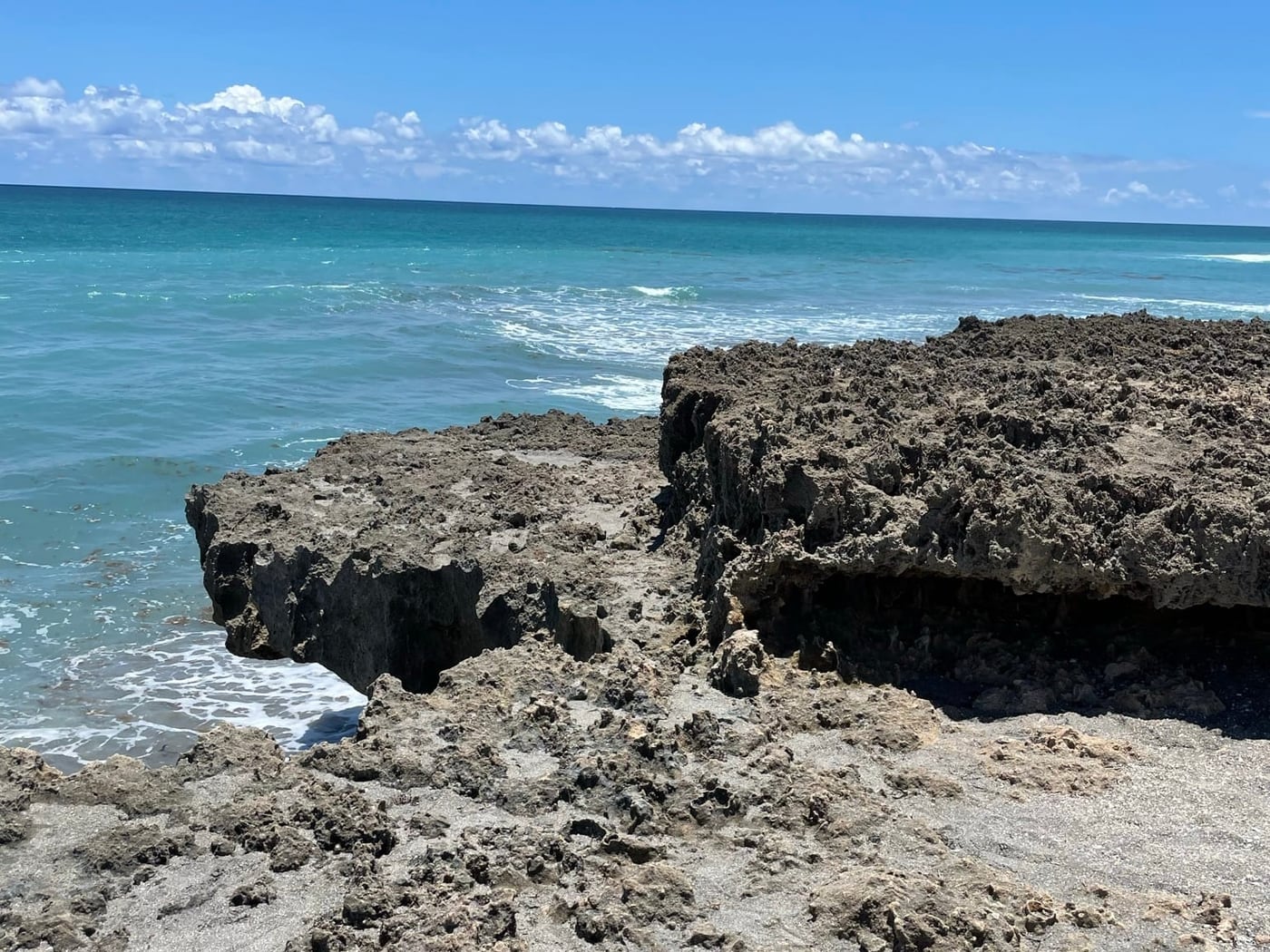
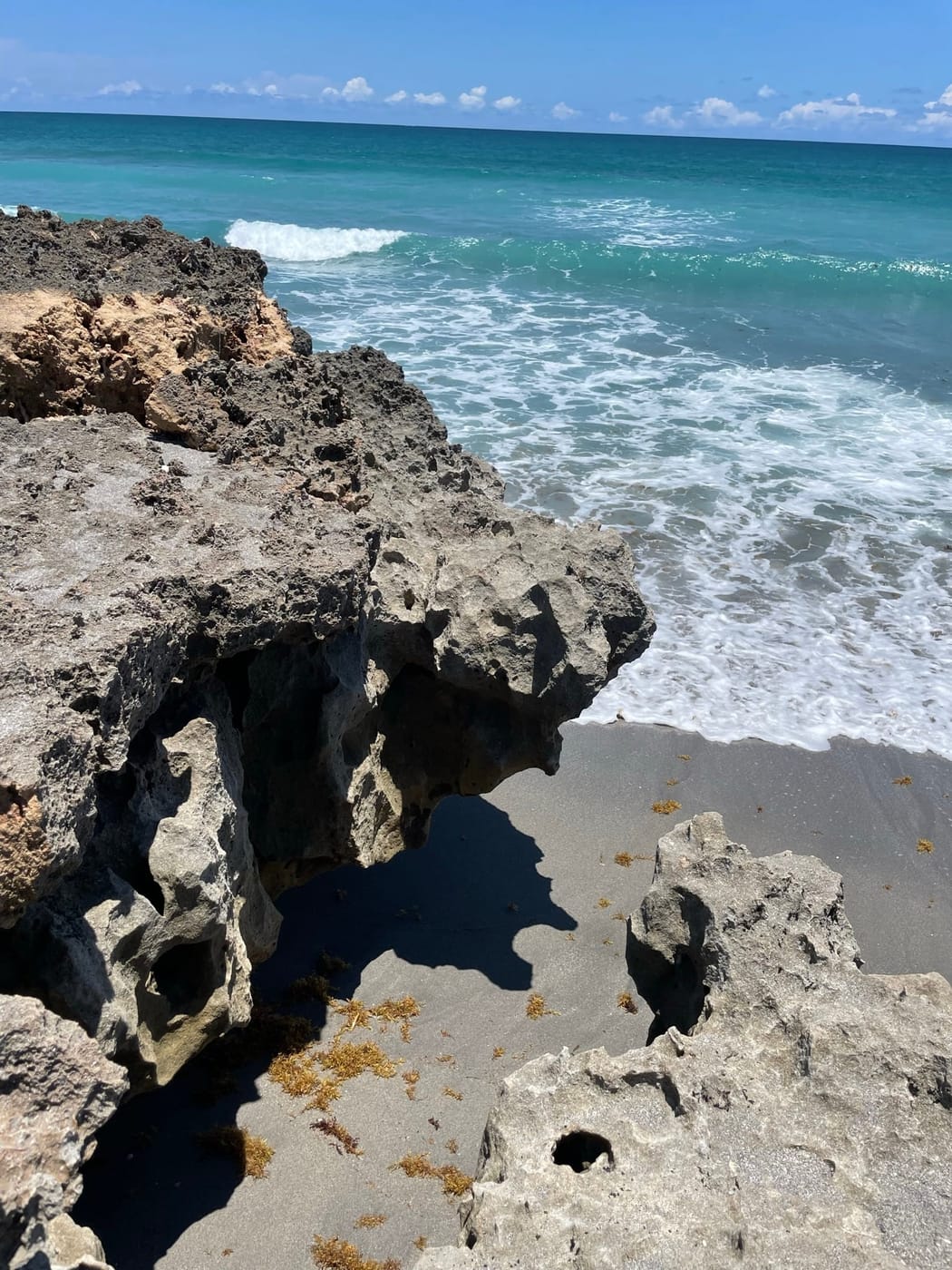
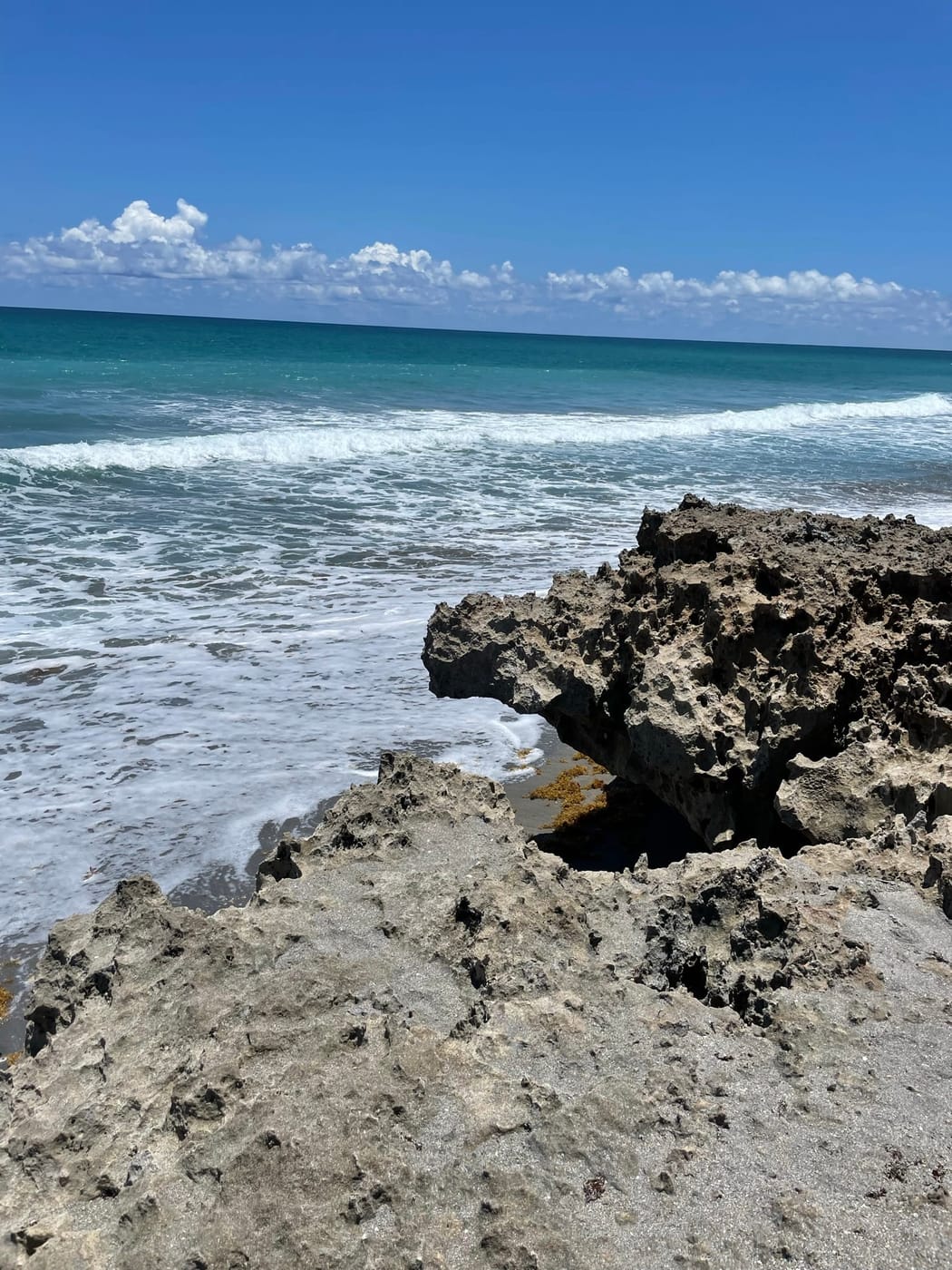
During certain high tides and ocean conditions, waves strike the limestone and force water upward through openings in the rocks. The display can be dramatic, but it is not guaranteed during every visit.
At lower tides, visitors may get a better view of the limestone formations along the shoreline.
Tide, wind and wave conditions all affect the experience. Visitors should check the current tide schedule, preserve hours, parking information and beach conditions before going.
Discover the Hobe Sound National Wildlife Refuge
The Nathaniel P. Reed Hobe Sound National Wildlife Refuge protects both coastal and mainland habitats.
The refuge includes approximately 3.5 miles of undeveloped Atlantic beach, along with sand pine scrub, mangrove habitat and portions of the Indian River Lagoon. It is also considered one of the most productive sea turtle nesting areas in the southeastern United States.
The mainland portion includes the Hobe Sound Nature Center and a self-guided nature trail through scrub habitat. The center offers educational programs that may include wildlife presentations, scrub tours and seasonal sea turtle walks.
Program schedules and registration requirements vary. Popular seasonal programs may fill quickly, so advance planning is recommended.
Visitors should also review refuge rules concerning pets, beach access, wildlife protection and operating hours.
Spend the Day at Hobe Sound Beach
Hobe Sound Beach is located at the eastern end of Bridge Road on Jupiter Island.
It is the primary public beach serving the Hobe Sound area and offers a more natural setting than many heavily developed South Florida beaches. The beach is guarded during designated periods, and accessibility resources may be available through Martin County.
It is a convenient choice for swimming, walking, relaxing and watching the sunrise.
Parking and beach conditions can vary, particularly during weekends, holidays and the winter season. Arriving early is usually helpful during popular times.
The refuge beach farther south offers a less developed experience, although facilities and access differ. Visitors should verify the applicable entrance requirements and refuge rules before going.
Explore Peck Lake by Boat
Peck Lake is part of the Intracoastal Waterway north of Hobe Sound and is a popular destination for recreational boaters.
Boats commonly anchor in the lagoon, where visitors can reach the protected barrier island and undeveloped Atlantic shoreline. The natural setting is possible because much of the surrounding land is protected.
Water depth, tides, weather and boating traffic should always be considered. Boaters should follow posted rules, protect sensitive habitat and avoid disturbing wildlife or vegetated areas.
Conditions can change quickly, so local navigation information should be checked before setting out.
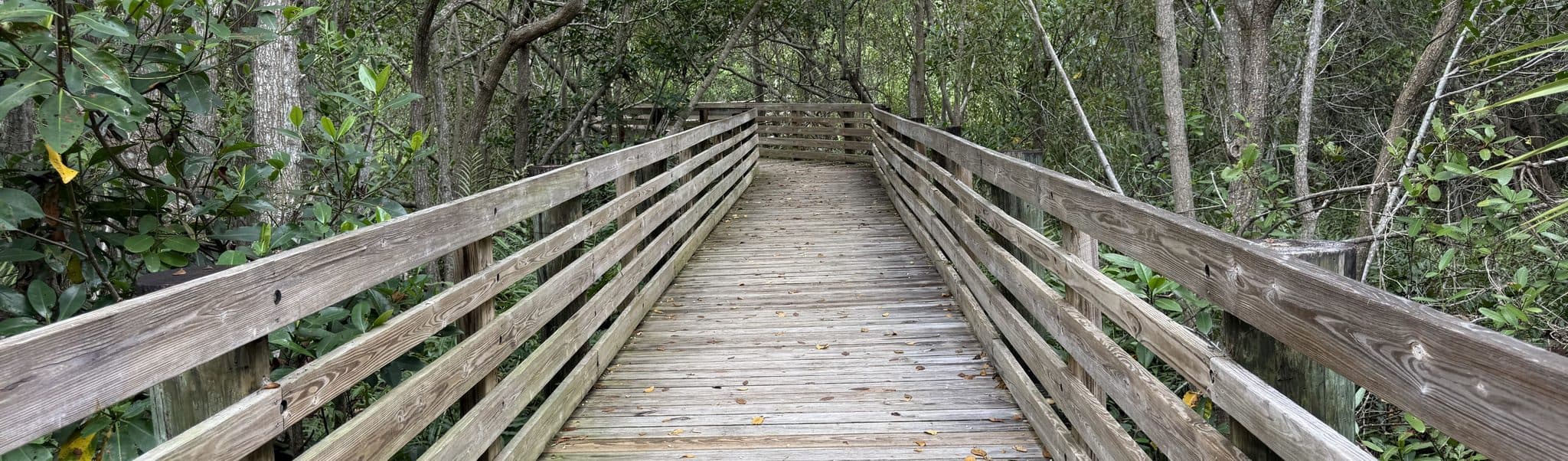
Walk the Boardwalk at Peck Lake Park
If you do not have a boat, the mainland side of Peck Lake is still worth an hour. Peck Lake Park is a free Martin County park off Gomez Avenue where roughly a mile of boardwalk crosses pine flatwoods, baygall wetland, oak hammock and mangrove forest before opening onto a covered observation deck on the Indian River Lagoon.
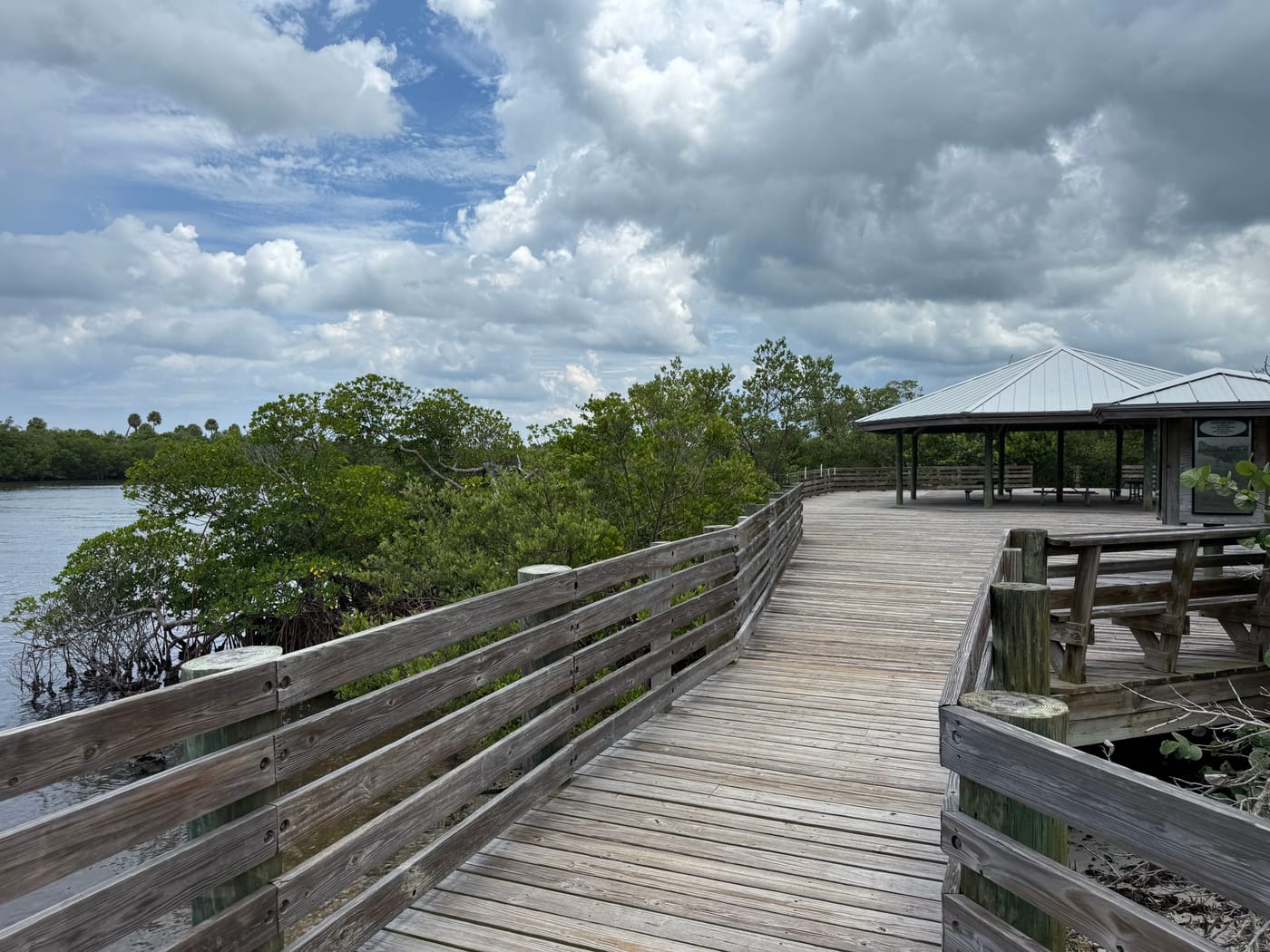
Manatees, dolphins and wading birds all work that stretch of water, and the far shoreline is protected land rather than houses. It is open sunrise to sunset, leashed dogs are welcome, and there are restrooms and picnic pavilions on site. The full guide to the park covers the trail, the deck and how to find the entrance.
Go Fishing
Hobe Sound provides access to several types of fishing.
Depending on the location and season, anglers may fish from the beach, along the Intracoastal Waterway, in the Loxahatchee River or offshore through the Jupiter or St. Lucie inlets.
Charter fishing is available from nearby Jupiter, Stuart and surrounding waterfront communities.
Florida fishing license requirements, seasons, size limits and permitted methods vary based on where and how a person is fishing. Residents and visitors should review current Florida Fish and Wildlife Conservation Commission requirements before participating.
Visit the Bridge Road District
The commercial district near Bridge Road and Dixie Highway provides a change of pace from Hobe Sound’s beaches and natural attractions.
Visitors can stop for coffee or a meal, browse local businesses and explore the small historic center that many people miss when traveling through town on US-1.
It is compact and easy to combine with a morning at the beach or a visit to Jonathan Dickinson State Park.
The appeal is not the size of the district. It is the opportunity to experience the quieter, more local side of Hobe Sound.
Camp at Jonathan Dickinson
Jonathan Dickinson State Park offers camping options for visitors who want more time to explore its trails, river and natural surroundings.
Spending the night provides a different experience once daytime visitors leave and the park becomes quieter.
Reservations are recommended, particularly during South Florida’s cooler winter and spring months. Campground availability, cabin access, fees and restrictions should be confirmed directly with the park.
Visit Nearby Jupiter and Stuart
Hobe Sound is quiet by design, but residents and visitors have access to additional activities in both directions.
Jupiter, to the south, offers restaurants, shopping, waterfront parks, beaches and activities near the Jupiter Inlet.
Stuart, to the north, offers a historic downtown, restaurants, shops, cultural venues, waterfront areas and community events.
Travel times depend on traffic and the starting destination, but both communities are close enough for an afternoon or evening trip.
Many residents view this as one of Hobe Sound’s advantages: a peaceful home base with larger neighboring communities nearby.
Enjoying Hobe Sound in the Summer
Outdoor activities require more planning during the summer months.
From June through September, mornings are generally more comfortable for hiking, cycling, beach visits and other exposed activities. Heat, humidity and afternoon thunderstorms are common, and many scrub and flatwoods trails provide limited shade.
Start early, carry plenty of water, use sun protection and watch the weather forecast.
The reward is that beaches, trails and natural areas may be quieter than they are during the winter season.
If You Only Have Time for Two Things
Start with Hobe Mountain and the Loxahatchee River.
The short boardwalk up Hobe Mountain runs through sand pine scrub to the highest natural point south of Lake Okeechobee. The observation tower at the top is closed for restoration at present, so check the park's current status if the view is what you are going for.
Experiencing the Loxahatchee River provides a closer look at the waterways, cypress habitat and protected land that make this part of Florida distinctive.
Together, they offer one of the best introductions to the natural character of Hobe Sound.
If a visit leaves you wondering whether Hobe Sound would work as an address rather than a day out, our who-should-move guide answers that honestly, including who the village does not suit.
Community Guide
Neighborhoods, schools, prices, and lifestyle — all in one place.
Hobe Sound Market Trends
Live data from the local MLS.
Thinking about Hobe Sound?
We're local experts — let's find the right home for your move.
Homes for Sale in Hobe Sound
Single-family homes $500k+, updated daily.
Free — August 2026 Martin County Numbers
Martin County Houses Are Selling Three Weeks Faster
In August 2026, houses went under contract in 56 days, down from 77 a year ago, and what is for sale dropped by more than a fifth. The typical house sold for $656,900. Every number is Martin County — Stuart, Palm City, Hobe Sound and Port Salerno — not Palm Beach County.
Free instant PDF · No obligation · See what's inside →
Frequently Asked Questions
What is there to do in Hobe Sound, Florida?
Almost everything is outdoors: Jonathan Dickinson State Park with the Hobe Mountain boardwalk, the Loxahatchee River and Trapper Nelson’s former camp; Blowing Rocks Preserve on Jupiter Island; the Nathaniel P. Reed Hobe Sound National Wildlife Refuge and its nature center; Hobe Sound Beach; Peck Lake for boaters; and fishing from the beach, the Intracoastal, the river or offshore. The small Bridge Road commercial district covers a Saturday morning.
How big is Jonathan Dickinson State Park?
More than 10,000 acres, making it the largest state park in Southeast Florida, and it contains 16 distinct natural communities ranging from sand pine scrub and pine flatwoods to cypress wetlands and riverfront habitat. It offers hiking, off-road cycling and equestrian areas, camping, paddling and wildlife viewing. Activities, rentals, tours and river conditions can change, so check the park’s current operating information before arriving.
What is Hobe Mountain?
An ancient sand dune inside Jonathan Dickinson State Park that rises approximately 86 feet above sea level — the highest natural point in Florida south of Lake Okeechobee. A short boardwalk leads through scrub habitat toward an observation tower at the summit. The tower is currently closed for restoration with no reopening date announced, though the boardwalk remains open. Check the park's current status before going if the view from the top is the reason for the trip.
Who was Trapper Nelson?
Vince “Trapper” Nelson was a local figure who lived along the Loxahatchee River and became known as the “Wild Man of the Loxahatchee.” His former camp inside Jonathan Dickinson State Park has been restored and provides a glimpse into a very different period of local history. Access and tour availability can change, so confirm current options with the park before planning a trip.
When is the best time to visit Blowing Rocks Preserve?
It depends what you want to see. During certain high tides and ocean conditions, waves strike the Anastasia limestone and force water upward through openings in the rocks, though the display is not guaranteed on every visit. At lower tides you may get a better view of the limestone formations themselves. Check the current tide schedule, preserve hours, parking information and beach conditions before going.
Can you see sea turtles in Hobe Sound?
The Nathaniel P. Reed Hobe Sound National Wildlife Refuge is considered one of the most productive sea turtle nesting areas in the southeastern United States, and its beach runs about 3.5 miles. The Hobe Sound Nature Center offers educational programs that may include seasonal sea turtle walks. Program schedules and registration requirements vary, and popular seasonal programs may fill quickly, so plan ahead.
Keep Reading
This article is provided by DO Homes Group at Premier Brokers International for informational purposes only and does not constitute legal, financial, tax, or investment advice. Market statistics, pricing, availability, HOA fees, and community details change frequently and may have changed since publication. School assignments, boundaries, and ratings may change — verify all school information directly with the appropriate school district, and consult official public safety resources for any crime data relevant to your search. Verify all details independently and consult the appropriate licensed professionals before making any real estate decision. DO Homes Group is committed to Equal Housing Opportunity and does not discriminate on the basis of race, color, religion, sex, handicap, familial status, or national origin.