

Singer Island · Local Guide
Hidden Gems on Singer Island, Florida
The less-obvious ways to enjoy Singer Island and the public places nearby, when you know the access, the timing, the conditions and the rules.
By Christine DekantUpdated
A Singer Island public beach at dusk
The island's best-known attractions are covered in our guide to things to do on Singer Island. This is the quieter layer: places and routines that reward a resident or repeat visitor who understands the access, the conditions and the timing.
None of it is secret, and none of it comes with a promise of solitude. Some of these places are on the island and some are nearby; some are free, some charge park admission, and some depend entirely on the weather and the water. Each one below says which.
Before you go
- Check official park notices, hours, parking and admission.
- Check the weather, water conditions and beach-warning flags.
- Respect public and private access boundaries.
- Treat wildlife viewing as observation, not interaction.
In this guide
Water days that depend on conditions
Phil Foster Park and the Blue Heron Bridge. Nearby, in Riviera Beach, not on Singer Island. A Palm Beach County park beneath the Blue Heron Bridge, on the causeway between the mainland and the island. The county's snorkel trail guide describes the Blue Heron Bridge area as internationally recognized for its marine life, and the marked snorkel trail spans roughly two acres in 6 to 10 feet of water. Current, visibility, entry and exit points, boat traffic and tide timing all matter here, and they change; go with a buddy, and use a divers-down flag, which Florida law requires for divers and snorkelers. Check Palm Beach County's Phil Foster Park page and the county's beach safety information before you go in.
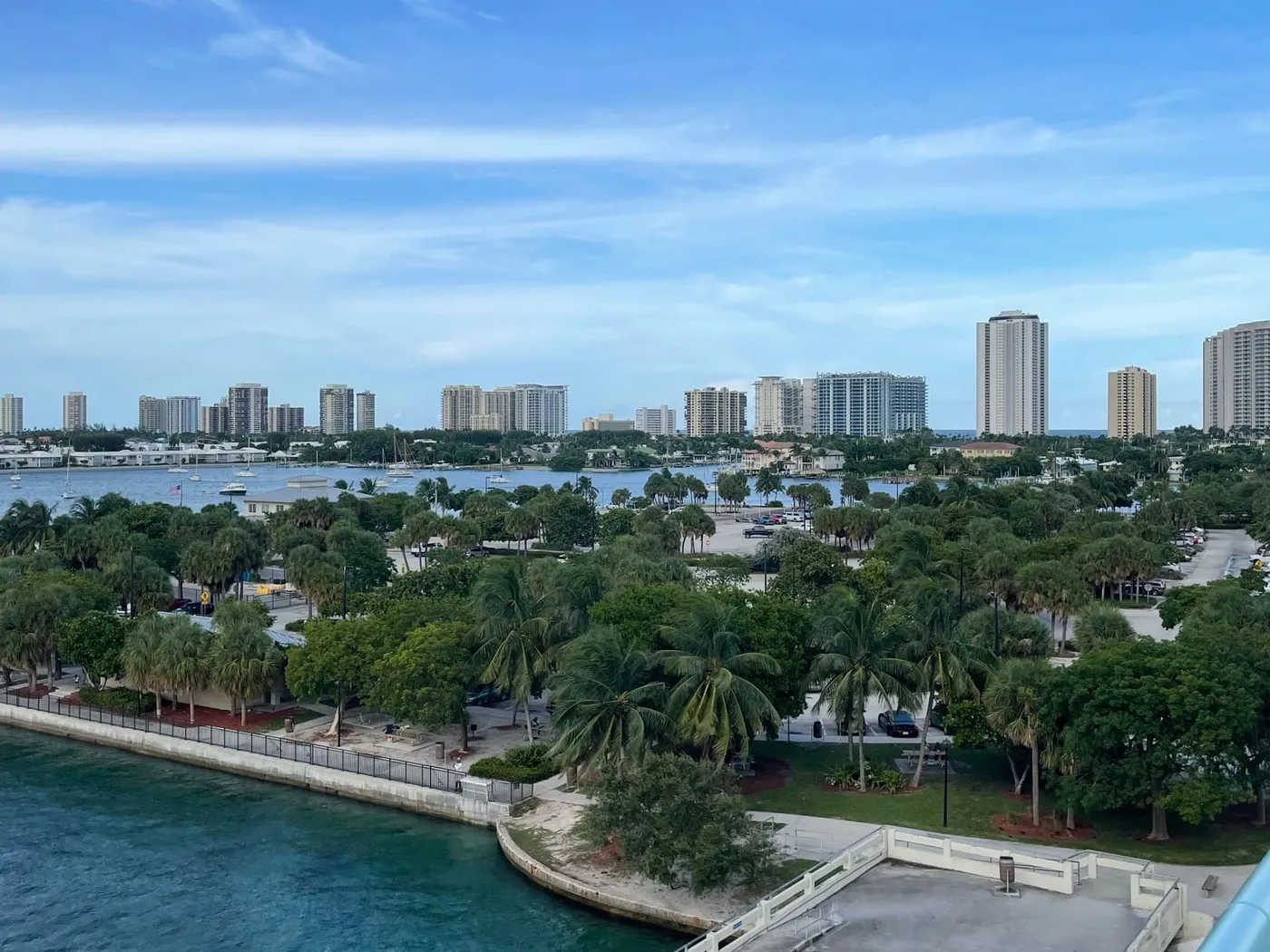
Ocean Reef Park. On Singer Island. A Palm Beach County park in Riviera Beach where the county notes snorkeling is available within the lifeguard-protected swimming area. Conditions vary day to day; check the flags and the park's page first.
Neither is an every-day activity. The same spot can be excellent one morning and unsuitable the next, so plan around current conditions rather than the calendar.
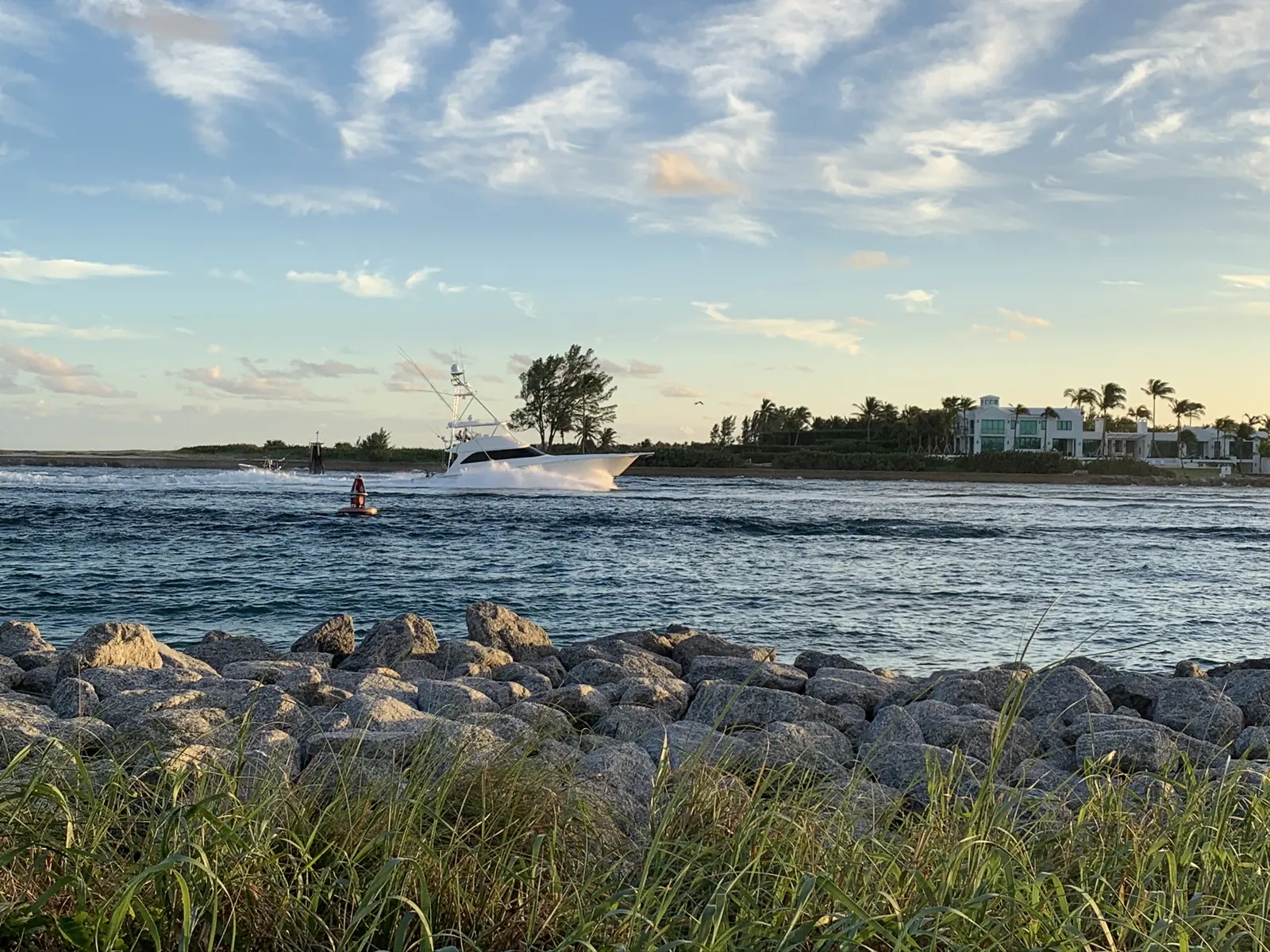
A quiet lagoon day: Munyon Island
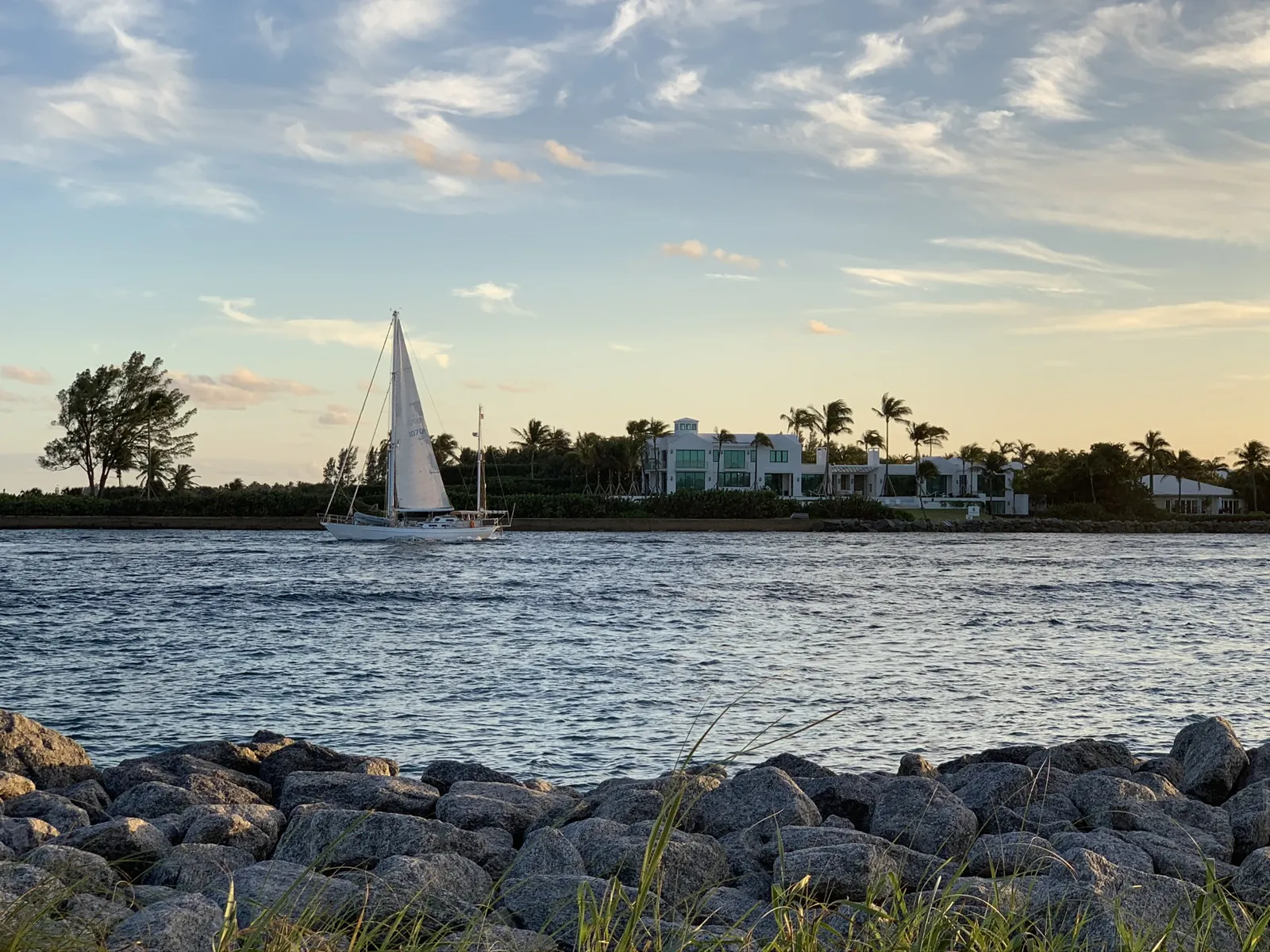
Nearby, in the lagoon off John D. MacArthur Beach State Park; boat access only. Munyon Island is part of the MacArthur Beach State Park experience. The official park information describes a day-use boat dock on the island's west shore, beside the Intracoastal Waterway, with nature trails and picnic pavilions, and notes there are no restrooms.
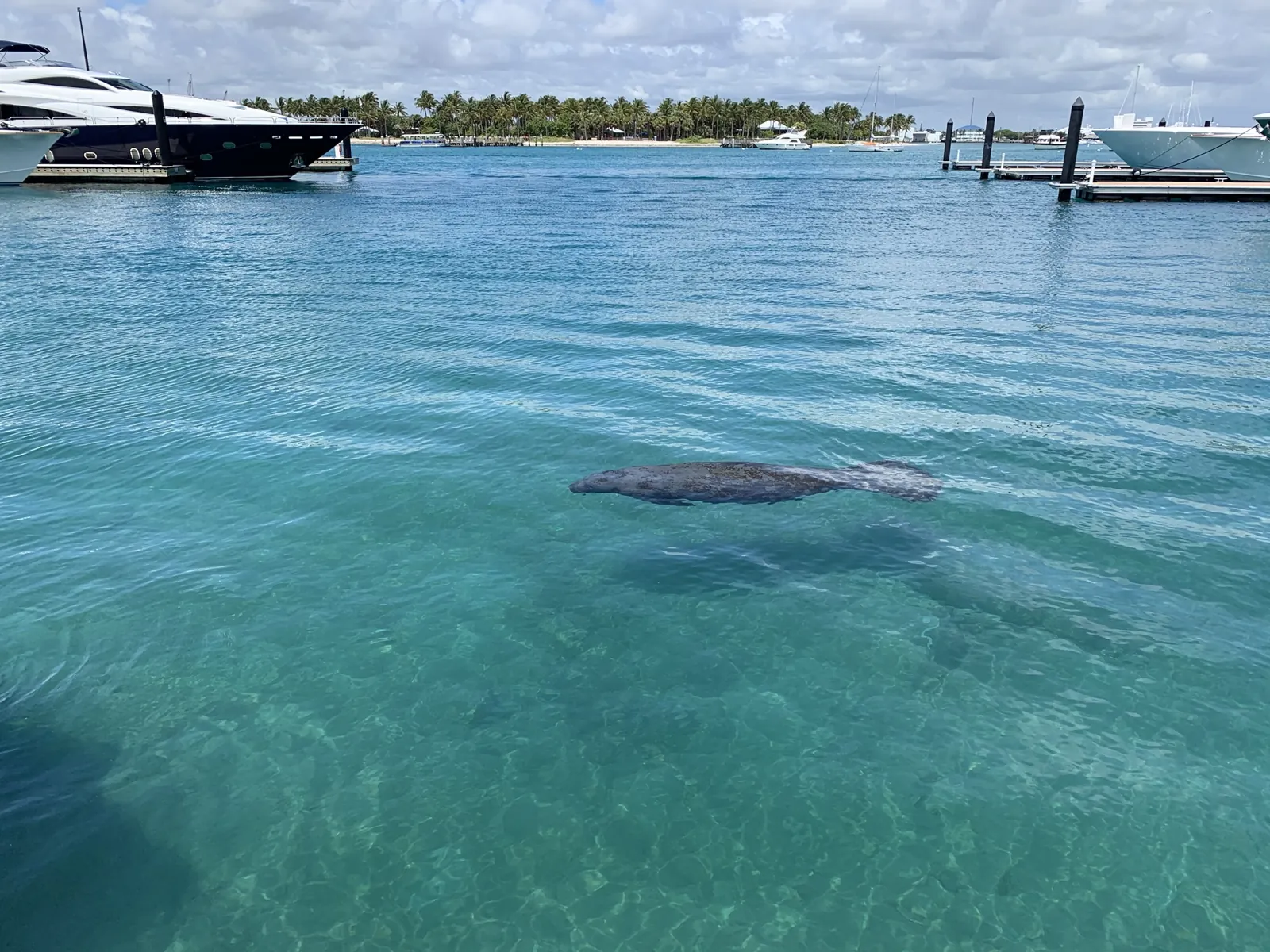
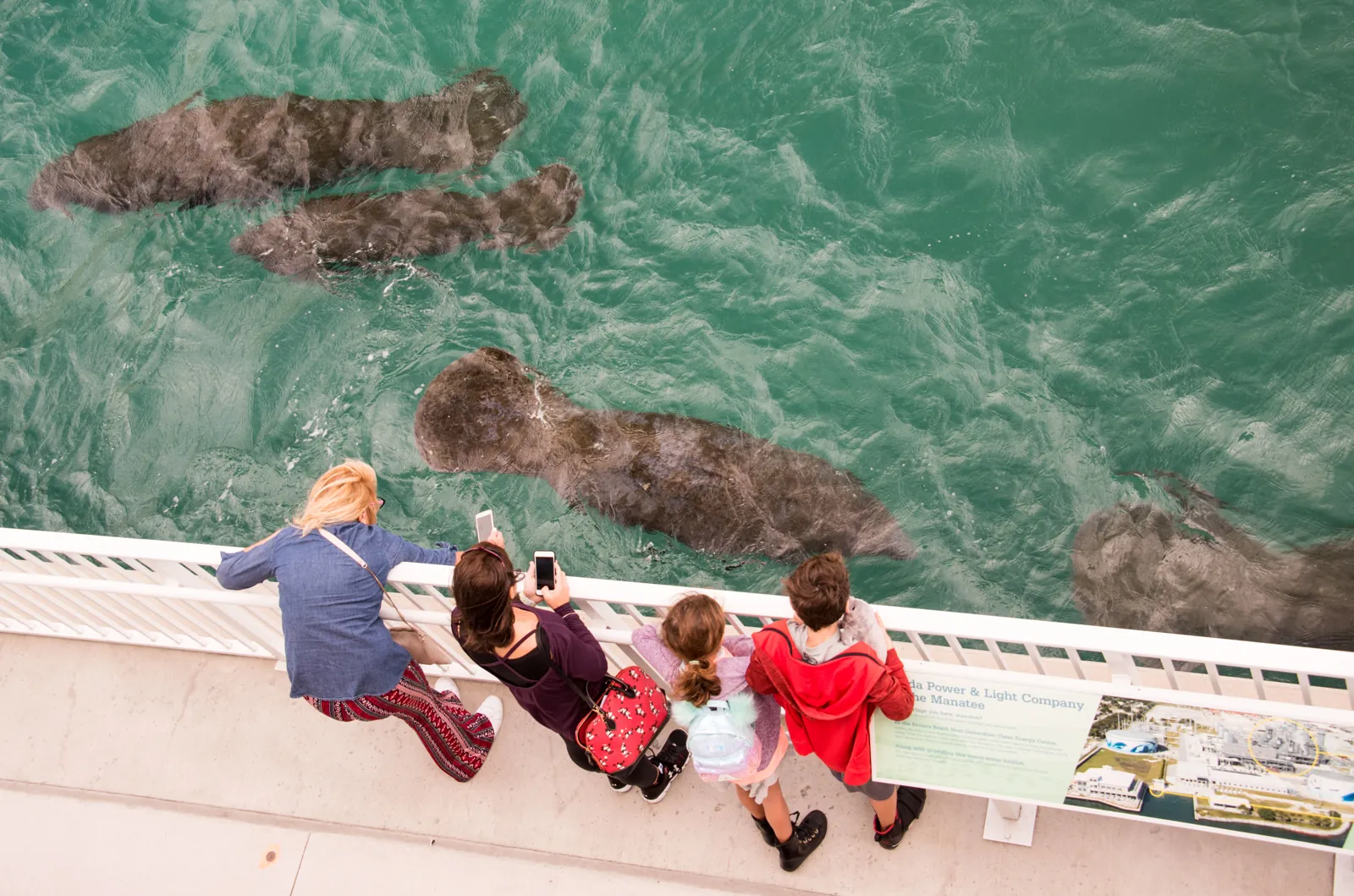
Paddlers can reach it from the park's estuary. The park's kayaking information describes paddling under the Burnt Bridge into the lagoon to visit the island, and kayak and paddleboard rentals are offered through the park's paddling concession. Check the park and outfitter information for launches, rentals, weather, hours and current rules before you set out. Wildlife such as wading birds, and sometimes manatees, may be seen, depending on conditions; keep a respectful distance.
MacArthur Beach beyond the obvious
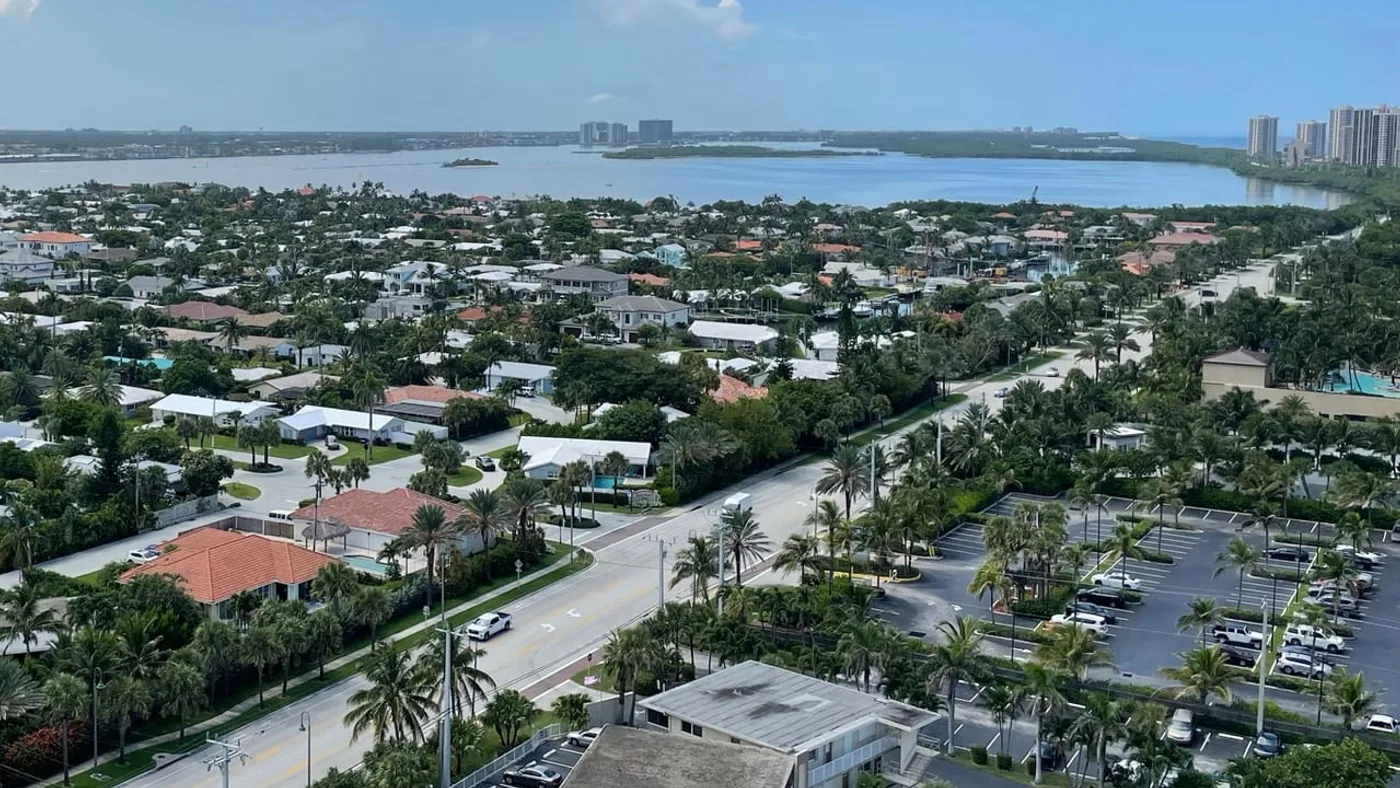
At the island's north end, in North Palm Beach; park admission applies. John D. MacArthur Beach State Park is the natural counterpoint to the tower corridor. According to the park's experiences and amenities page, it has a nature center with exhibits, nature trails through coastal hammock, an estuary for paddling, and the park's beach.
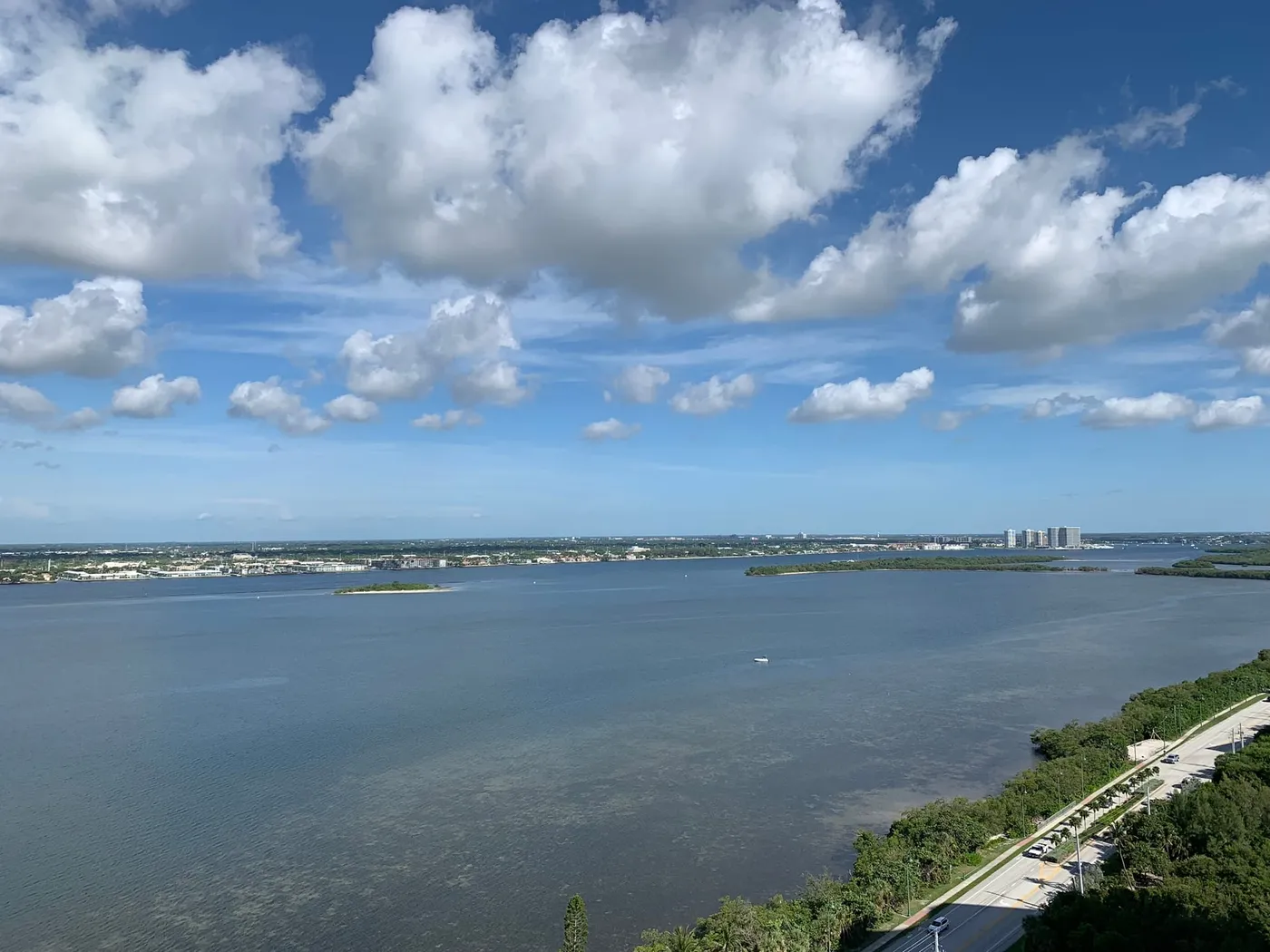
Go in the morning and take your time on the estuary side, where wading birds may be feeding in the shallows. Check the park's hours and fees and current notices before you go; don't assume lifeguards are on duty, and use the park's own entrances and trails rather than walking in along the beach from outside it. Programs change through the year, and the park's citizen-support group, the Friends of MacArthur Beach State Park, publicizes its events.
If you look for shells. After rough weather has settled, check the current flags and forecast, stay out of the water unless conditions are safe, and treat it as careful observation. State park resources are protected. Florida State Parks allows empty seashells, sea glass and shark teeth to be collected between the water line and the toe of the dunes in coastal parks with beaches; living shells and live sand dollars stay where they are, and so do driftwood, plants, animals, artifacts and park property.
Guided wildlife opportunities
Sea turtles nest on this coast from March through October, and permitted public turtle walks and hatchling programs are scheduled opportunities, not guaranteed sightings. FWC lists permitted sea turtle viewing programs and program contacts; check the current listings and the park's events for what's operating this season.
On a guided walk, follow the guide's directions: no touching, no flashlights and no flash photography, and no interfering with a turtle or hatchling. Don't wait on the beach at night on your own to look for turtles. Florida State Parks explains why lights disturb nesting turtles and hatchlings.
Sunset over the lagoon
The island faces the ocean, so sunrise is easy to find. For sunset over the water, look west across the lagoon.
Phil Foster Park. Nearby, in Riviera Beach. The county park beneath the Blue Heron Bridge sits in the lagoon with open water around it. Check the park's hours before planning an evening visit. What you'll see changes with the season, the weather and the boat traffic.
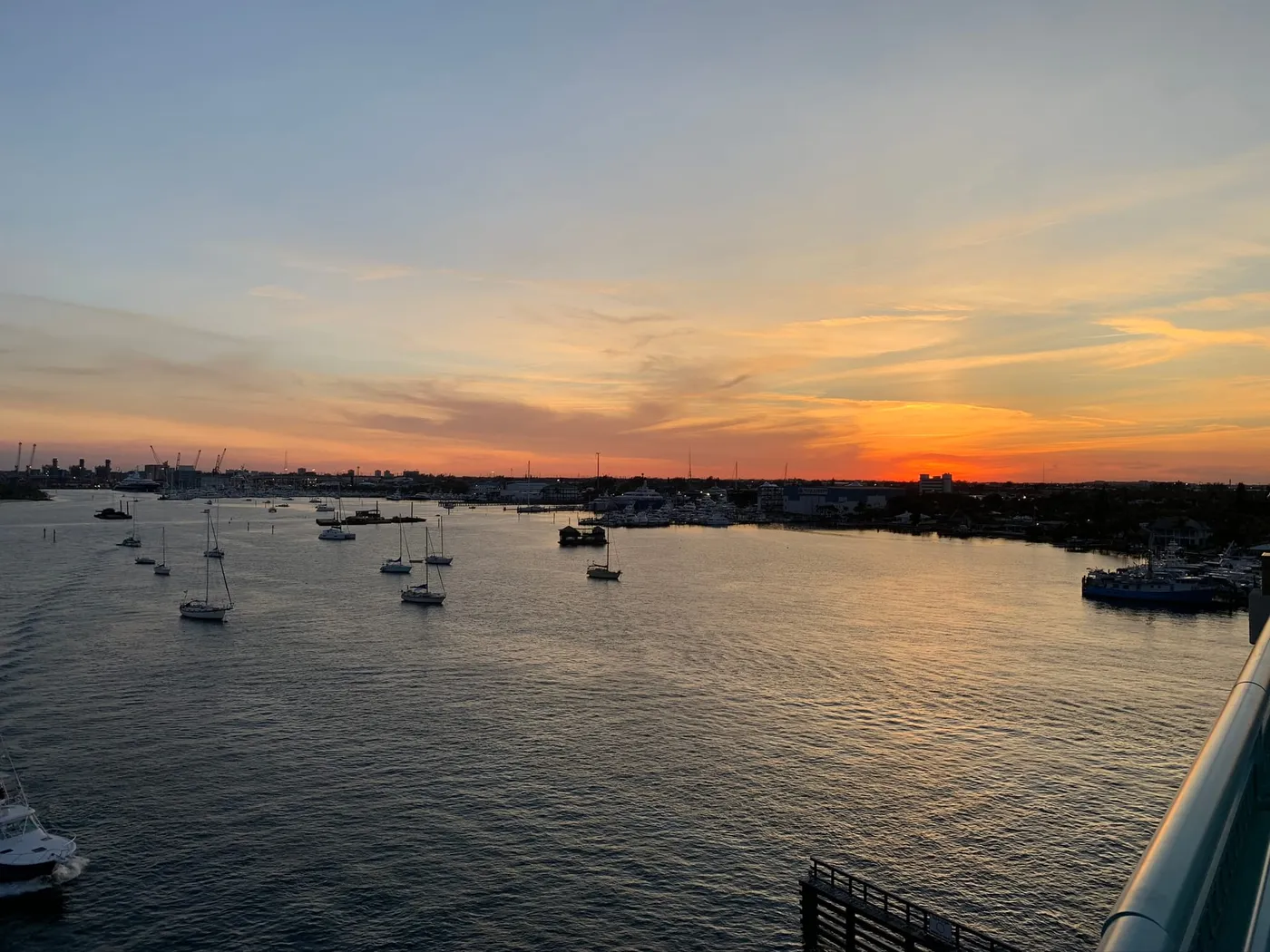
The Lake Worth Inlet at the island's south end serves the Port of Palm Beach, and parts of the waterfront there are private or restricted. Enjoy it from public places only.
The habits that make repeat visits better
- Try weekday mornings and quieter periods for the parks and beaches.
- If you already have legitimate access to a building, ask the manager, the association or residents what activities and groups exist.
- Check community, park, volunteer and environmental-program calendars.
- Visit in different seasons to understand a building's rhythm and the beach's.
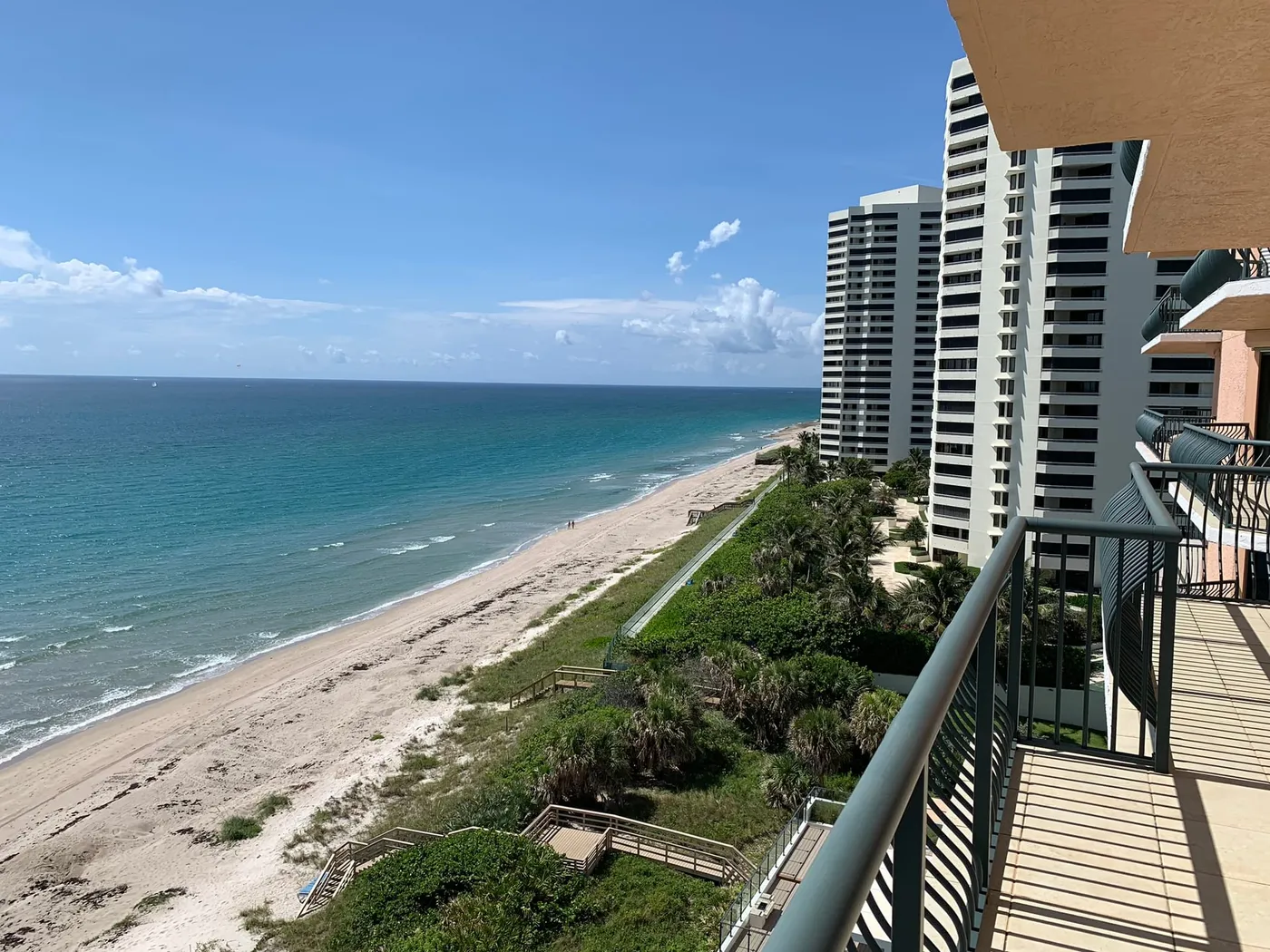
The island rewards the same things everywhere: checking conditions, knowing the rules, and coming back. For the practical side of settling in, see our local guide to Singer Island, and for the bigger picture, the Singer Island community guide.
Community Guide
Neighborhoods, schools, prices, and lifestyle — all in one place.
Singer Island Market Trends
Live data from the local MLS.
Singer Island Single-Family Homes for Sale
Single-family homes $500k+ in Palm Beach Isles, Yacht Harbor and Palm Beach Shores, updated daily. Shopping for a condo? Search Singer Island condos →
Scouting visit
Planning a Singer Island scouting visit? Explore the community guide or talk with our team about a specific building.
Frequently Asked Questions
What are quieter ways to explore Singer Island?
Try weekday mornings and quieter periods for the parks and beaches; a water day at Phil Foster Park or Ocean Reef Park when conditions allow; a boat or paddle trip to Munyon Island; the nature center, trails and estuary at John D. MacArthur Beach State Park; and a guided turtle program in season. Check official notices, hours, admission and current conditions before you go.
How can I visit Munyon Island?
Munyon Island is accessible only by boat. The official park information describes a day-use boat dock on the island's west shore, with nature trails and picnic pavilions, and no restrooms. Paddlers can reach it from MacArthur Beach State Park's estuary. Check the park and outfitter information for launches, rentals, weather, hours and current rules before you set out.
Is Phil Foster Park on Singer Island?
No. Phil Foster Park is a Palm Beach County park in Riviera Beach, beneath the Blue Heron Bridge, on the causeway between the mainland and the island.
How do I find current sea-turtle programs?
Permitted public turtle walks and hatchling programs are scheduled opportunities, not guaranteed sightings. FWC lists permitted sea turtle viewing programs and program contacts; check the current listings and the park's events for what's operating this season.
What can I collect at a Florida State Park beach?
Florida State Parks allows empty seashells, sea glass and shark teeth to be collected between the water line and the toe of the dunes in coastal parks with beaches. Living shells and live sand dollars stay where they are, and so do driftwood, plants, animals, artifacts and park property.
Where can I watch a Singer Island sunset from public access?
Look west across the lagoon. Phil Foster Park, the county park beneath the Blue Heron Bridge in Riviera Beach, sits in the lagoon with open water around it. Check the park's hours before planning an evening visit.
Keep Reading
This article is provided by DO Homes Group at Premier Brokers International for informational purposes only and does not constitute legal, financial, tax, or investment advice. Market statistics, pricing, availability, HOA fees, and community details change frequently and may have changed since publication. School assignments, boundaries, and ratings may change — verify all school information directly with the appropriate school district, and consult official public safety resources for any crime data relevant to your search. Verify all details independently and consult the appropriate licensed professionals before making any real estate decision. DO Homes Group is committed to Equal Housing Opportunity and does not discriminate on the basis of race, color, religion, sex, handicap, familial status, or national origin.