
Best Places to Eat, Drink & Hang Out in Port St. Lucie, Florida
Port St. Lucie's dining and social scene reflects the city's geography. There is no single downtown restaurant district serving the whole community. Restaurants, breweries, bars and gathering places are spread across St. Lucie West, Tradition, the US-1 corridor and smaller commercial areas throughout the city.
The selection has widened as the city has grown, and more is under construction. But expect to drive between districts rather than walk between destinations.
Here is what it is actually like.
The Grove and The Port District
The Grove is the city's most anticipated dining project, being built within The Port District — the public riverfront destination along the North Fork of the St. Lucie River.
The first phase is planned as three dining venues and two bars, including a full-service restaurant, a rooftop bar and family-friendly food options, with construction currently anticipating an early 2027 opening. A second phase is expected to add two more casual venues once the first is operating. Dates, tenants and final concepts may all change.
It matters because Port St. Lucie has historically had very little waterfront dining despite the river running through the middle of it. For a Florida city this size that is an unusual gap, and it is the complaint you hear most from residents who moved here from the coast.
The Port District officially opened as a public destination in 2024 and already holds Pioneer Park, the Riverwalk Boardwalk, an event lawn, an overwater stage, kayak access, conservation areas and riverfront gathering space. Development within it continues.
Until The Grove opens you can still walk the river, use the parks and boardwalks, and go to public events — covered in our hidden gems guide. Distinguish between what is open today and what is still under construction.
St. Lucie West
One of the city's most established dining and commercial districts, holding a broad mix of casual restaurants, national chains, local establishments, sports bars, coffee shops, breweries and taprooms, and takeaway.
Its concentration of restaurants, retail and medical services makes it the practical default when you want several options in one place.
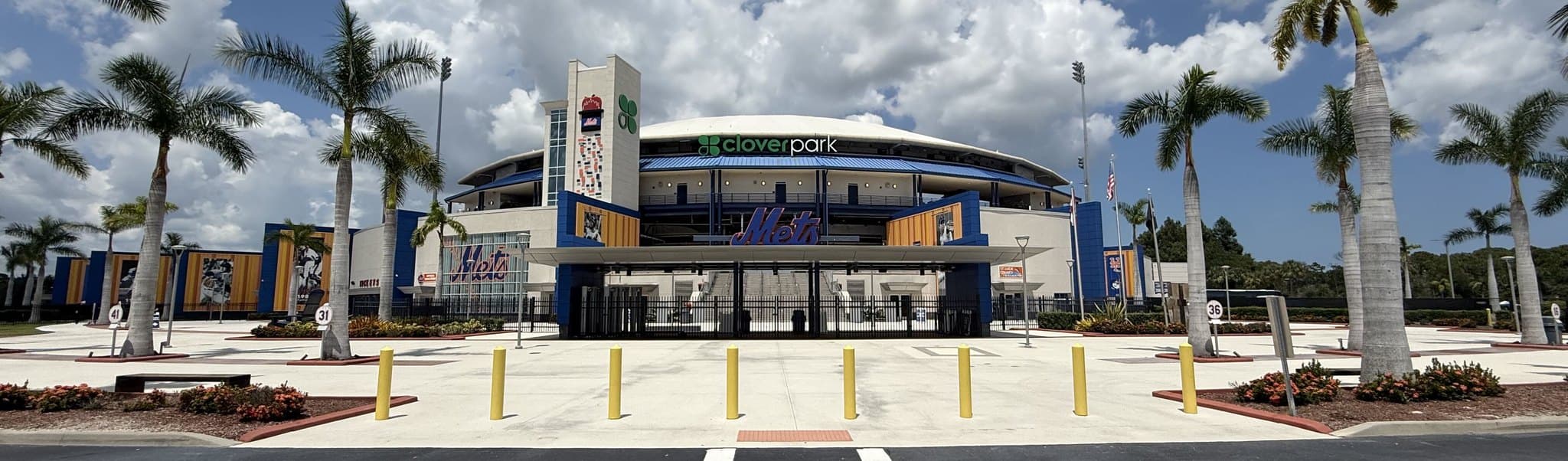
Clover Park is here too, hosting New York Mets spring training and St. Lucie Mets minor-league baseball. Spring-training games bring extra visitors into the district and can lift restaurant traffic before and after popular fixtures — though crowds vary by date, opponent and event.
Reservations can help during the busiest spring-training stretches, but check with the individual restaurant rather than assuming every business is full.
Tradition Square
The most recognisable town-centre environment in the city, with restaurants, cafés, shops, public gathering space and residential communities around it.
Depending on season and organiser, Tradition hosts outdoor concerts, food-truck events, markets, holiday celebrations, fitness activities, festivals, family programmes and community gatherings. It is one of the few places here where you can park once, eat, attend an event and walk between several businesses.
Walkability depends on exactly where you are. Tradition covers a large area, and many neighbourhoods carrying the Tradition name are nowhere near walking distance of the square. Event schedules change, so check the current calendar before planning around a particular market or concert.
The US-1 Corridor
Another large concentration of restaurants and everyday services — national chains, casual restaurants, takeaway, cafés and independently owned places. It lacks Tradition's planned town-centre feel and The Grove's future waterfront setting, but it serves eastern Port St. Lucie and is convenient heading toward Jensen Beach, Stuart, Fort Pierce or Hutchinson Island.
Walton & One, a planned mixed-use redevelopment near Walton Road and US-1, is expected to add restaurants, retail, public space and entertainment over time. It is still under development, so verify what is actually open rather than relying on conceptual plans.
Free — August 2026 St. Lucie County Numbers
Houses Are Tight Here. Condo Buyers Still Have Choice.
In August 2026, houses sold at 95.5% of asking in 54 days, so there was less room than most buyers expect. Condos ran 7.6 months of supply and 82 days, which is a different negotiation entirely. Both sets of numbers, in one free PDF.
National Chains and Local Restaurants
There is a noticeable concentration of national chains along the main commercial corridors, and that is a direct consequence of how the city grew: housing expanded rapidly across a large suburban area, and national operators followed the rooftops.
For many households that is genuinely useful — predictable, convenient, close to home and near the highway.
Independently owned restaurants, cafés, breweries and specialty businesses are distributed throughout the city too. They are simply not clustered in one obvious downtown, so finding them means exploring different districts. Don't judge the whole scene by what is visible from the nearest highway interchange.
Breweries, Taprooms and Casual Gathering Places
There is a small but real craft-beverage scene. Locally operated destinations currently serving the area include Hop Life Brewing Company on NW Enterprise Drive, Fox & Crown Brewery and Pub on SE Village Green Drive, Southpaw Brewing Company on SW Discovery Way, and Vine & Barley.
They vary a lot. Some focus on beer brewed on site; others combine food, sport, wine, live entertainment or community events. They are spread across the city rather than gathered into one walkable brewery district.
Before a special trip, check current hours, food availability, age policies, live-music schedules, events, whether reservations are needed, whether pets are allowed, and whether the business actually brews on site or operates mainly as a bar or restaurant. Businesses, ownership and hours change.
Independent Dining Throughout the City
Locally owned seafood, Italian, Caribbean and Latin American restaurants, delis, bakeries, breakfast cafés, barbecue, Asian restaurants, neighbourhood pubs and specialty dessert businesses are all here — just not always in the most visible commercial centres.
The challenge is geographic rather than culinary. A favourite restaurant may be five minutes from one neighbourhood and 25 from another. Residents tend to organise their choices around the district they live in rather than treating the city as one compact dining market.
What Dining Out Is Like
Generally casual and neighbourhood-oriented. There are options for celebrations and more polished evenings, but this is not primarily a fine-dining or nightlife destination.
Expect family restaurants, sports bars, brewery taprooms, casual seafood, outdoor dining, coffee shops, food trucks, chains and independently owned neighbourhood favourites.
For a larger concentration of restaurants in a walkable historic setting, residents drive to downtown Stuart or Fort Pierce. Palm Beach Gardens, Jupiter and West Palm Beach add more dining and nightlife farther south. Travel time depends heavily on your starting neighbourhood and the traffic.
Spring Training and Baseball Season
Clover Park shapes activity in St. Lucie West through the baseball calendar. Mets spring training runs in late winter and early spring, and the St. Lucie Mets then play minor-league baseball from spring into September.
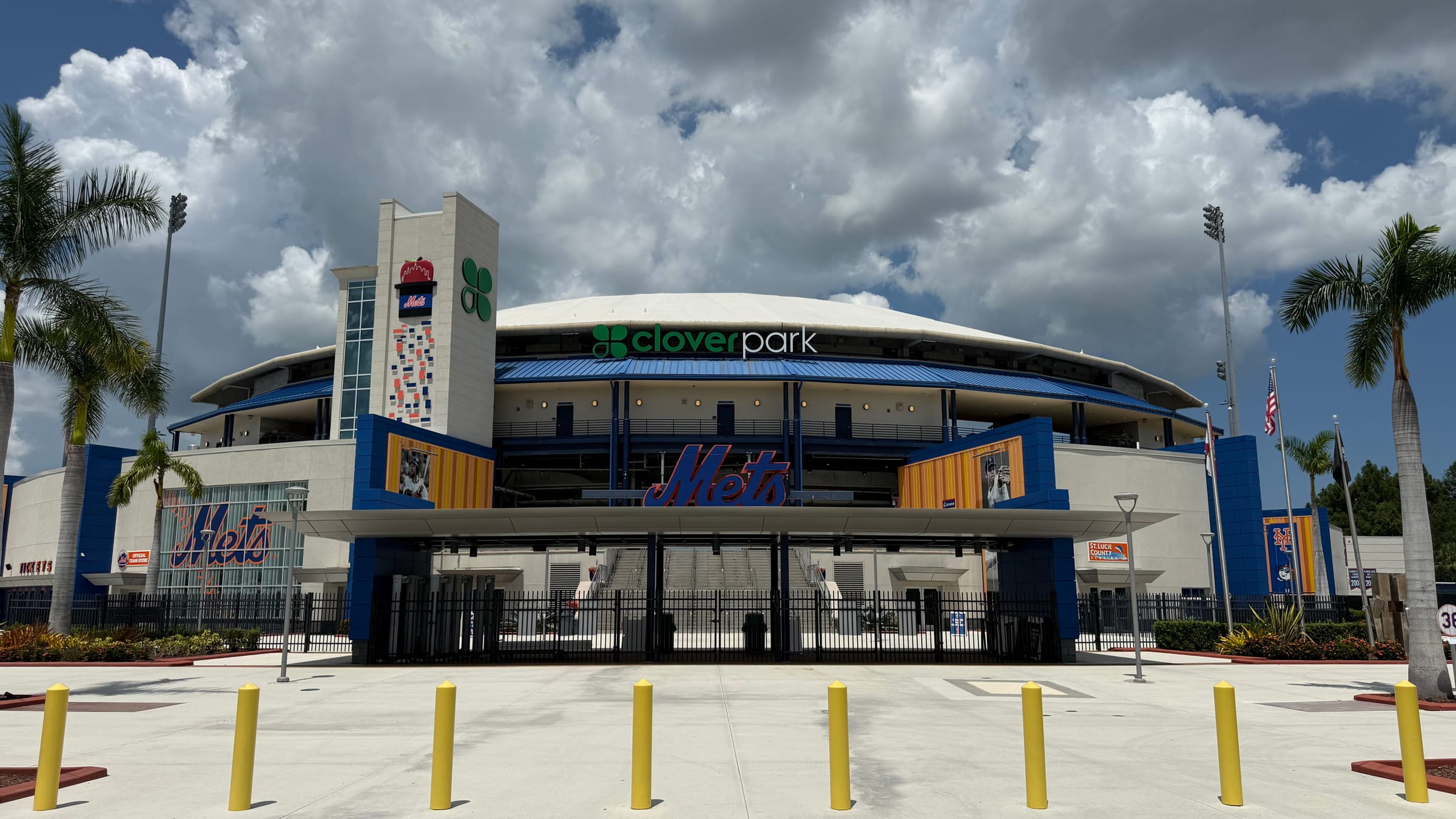
Popular games increase traffic around nearby restaurants, hotels and commercial areas. If you want to eat near the park, check the schedule, allow extra travel time, consider a reservation, arrive before the pre-game rush and look at parking and road conditions.
Not every game produces the same crowd, and spring-training attendance should not be described as uniformly small — Clover Park is a full stadium venue and turnout varies by fixture. Both seasons are covered in our things to do guide.
Food Trucks, Markets and Community Events
Food trucks and community markets are one of the easier ways into the independent side of the city's food scene. Events run at Tradition, city parks, the MIDFLORIDA Credit Union Event Center, The Port District and other public spaces, and the city's calendar includes food-truck gatherings, cultural festivals, holiday celebrations and live entertainment.
They are useful precisely because they bring multiple vendors together in a city where permanent restaurants are otherwise widely dispersed. Schedules, admission and vendors change — check the current calendar first.
Where Residents Actually Hang Out
Social life here is not confined to restaurants and bars. Residents spend time at Tradition Square, The Port District, Pioneer Park, Clover Park, the local breweries and taprooms, golf and country clubs, community pools and clubhouses, city parks, youth and adult sports facilities, the Botanical Gardens, the North Fork itself, food-truck events and festivals — and each other's houses.
The suburban layout means social life organises around neighbourhoods, clubs, sport and community events rather than one central entertainment district.
Club and Community Dining
Some golf, country-club and master-planned communities have private dining facilities. Access can depend on property ownership, membership category, whether membership is mandatory or optional, annual dues, food-and-beverage minimums, guest privileges, reservation rules and seasonal operating schedules.
Confirm which dining and social privileges attach to the specific property. Do not assume that buying in a golf community includes access to every restaurant, clubhouse or event — and put club costs into the complete ownership budget.
Where to Take Visitors
The city is too large to show someone in one drive, so pick a few destinations that actually explain it: breakfast or coffee in Tradition, a walk around Tradition Square, a game at Clover Park, lunch in St. Lucie West, time at The Port District or the Botanical Gardens, a brewery or local restaurant in the evening, or a city festival or food-truck night.
Once The Grove opens, the riverfront becomes an obvious addition. Until then, the district's parks, boardwalks and events combine well with dining elsewhere.
Seasonal Changes
The city gets busier through winter and spring, with seasonal residents, visitors, spring training and outdoor events lifting traffic and restaurant demand. Summer is typically quieter, though local demand stays substantial because the year-round population is large.
Individual businesses adjust hours, menus, entertainment, patio service, operating days and holiday availability. Don't assume every restaurant cuts summer hours, or that every popular place is packed all winter. Check before driving across the city.
Getting Around for Dinner
Dining out here means driving. Before choosing somewhere, think about travel time from your district, traffic on the main roads, road construction, game and event schedules, parking, weather, and whether the return trip involves alcohol.
Tradition, St. Lucie West and the eastern US-1 corridor each feel convenient or distant depending on where you live. A restaurant "in Port St. Lucie" may still be 20 or 30 minutes from your house. Plan safe transport whenever alcohol is involved.
Is Port St. Lucie a Good Fit If You Like Dining Out?
It suits someone comfortable driving between districts, happy with a mixture of chains and independents, casual neighbourhood dining, breweries and taprooms, community events, food trucks and markets — and interested in watching the scene develop.
It suits less well anyone who wants one dense restaurant district, extensive nightlife, numerous fine-dining options, the ability to walk between bars and restaurants, a historic downtown immediately nearby, or established waterfront dining across the city.
Neither preference makes a community better. It just decides whether this environment matches the life you expect.
What Is Open Now, and What Is Coming
Today's scene runs through St. Lucie West, Tradition, the US-1 corridor and the residential grid. The Port District is open as a public riverfront destination.
The Grove remains under development, first phase anticipated early 2027. Walton & One and other commercial projects should add further restaurant and entertainment choices.
Judge the city on what is available today, and follow the future projects with realistic expectations. A rendering is not the same as an open restaurant.
The Bottom Line
Port St. Lucie has a growing but widely dispersed collection of restaurants, cafés, breweries, bars and gathering places. St. Lucie West offers the most established concentration. Tradition Square provides a planned town-centre atmosphere with regular events. Independents and breweries sit throughout the city, though finding them usually means driving past the nearest commercial corridor.
The Port District is building a public riverfront destination, and The Grove should add a significant dining component when it opens.
This is not yet a city with one central restaurant or nightlife district. Its strength is variety across several areas, and a scene that keeps expanding with the population.
Community Guide
Neighborhoods, schools, prices, and lifestyle — all in one place.
Port Saint Lucie Market Trends
Live data from the local MLS.
Thinking about Port St. Lucie?
We're local experts — let's find the right home for your move.
Homes for Sale in Port St. Lucie
Single-family homes $500k+, updated daily.
Free — August 2026 St. Lucie County Numbers
Houses Are Tight Here. Condo Buyers Still Have Choice.
In August 2026, houses sold at 95.5% of asking in 54 days, so there was less room than most buyers expect. Condos ran 7.6 months of supply and 82 days, which is a different negotiation entirely. Both sets of numbers, in one free PDF.
Free instant PDF · No obligation · See what's inside →
Frequently Asked Questions
What is The Grove in Port St. Lucie?
A dining and entertainment project being built within The Port District, the city's public riverfront destination on the North Fork of the St. Lucie River. The first phase is planned as three dining venues and two bars — including a full-service restaurant and a rooftop bar — with an early 2027 opening currently anticipated, and a second phase expected to add two more casual venues. Dates, tenants and concepts may change.
Where do people go out to eat in Port St. Lucie?
Mostly St. Lucie West, Tradition Square and the US-1 corridor. St. Lucie West has the most established concentration of restaurants, bars and services; Tradition Square is the closest thing to a walkable town centre; and US-1 serves the eastern side of the city. Independents and breweries are spread throughout rather than clustered in one district.
Does Port St. Lucie have waterfront dining?
Very little, which is the most common complaint from residents who moved here from the coast — unusual for a Florida city with a river running through it. The Grove is being built specifically to change that, with an early 2027 opening currently anticipated. Until then, The Port District's parks, boardwalks and events pair with dining elsewhere in the city.
Is Tradition Square worth visiting?
Yes, particularly for its events — outdoor concerts, food-truck nights, markets, festivals and holiday celebrations. It's one of the few places here where you can park once, eat, attend something and walk between several businesses. Note that Tradition covers a large area and many neighbourhoods carrying the name are not within walking distance of the square. Check the current calendar before planning around an event.
What is the dining scene like in Port St. Lucie?
Casual and neighbourhood-oriented, with a noticeable concentration of national chains along the main corridors — a consequence of housing expanding fast across a large suburban area. Independents, cafés, breweries and specialty businesses are here too, just not clustered in an obvious downtown. Locally operated breweries include Hop Life Brewing Company, Fox & Crown Brewery and Pub, Southpaw Brewing Company and Vine & Barley.
Do restaurants get busy during Mets spring training?
Around Clover Park in St. Lucie West, yes — popular games lift traffic and demand at nearby restaurants, hotels and businesses before and after. But not every game draws the same crowd, so check the schedule, allow extra travel time and consider a reservation rather than assuming every business will be full on every date.
Keep Reading
This article is provided by DO Homes Group at Premier Brokers International for informational purposes only and does not constitute legal, financial, tax, or investment advice. Market statistics, pricing, availability, HOA fees, and community details change frequently and may have changed since publication. School assignments, boundaries, and ratings may change — verify all school information directly with the appropriate school district, and consult official public safety resources for any crime data relevant to your search. Verify all details independently and consult the appropriate licensed professionals before making any real estate decision. DO Homes Group is committed to Equal Housing Opportunity and does not discriminate on the basis of race, color, religion, sex, handicap, familial status, or national origin.