
 Photo by Ameer Basheer / Unsplash
A Local's Guide to Port St. Lucie, Florida
Port St. Lucie is physically enormous — one of the largest cities by land area in the state — and that is what makes it confusing to newcomers. There is no single downtown organizing the whole community. Daily life revolves instead around several distinct districts, commercial corridors and residential areas that can feel very different from one another.
Learn those areas, and the roads connecting them, and everything else falls into place. It is the best way to decide where in Port St. Lucie you actually want to live.
Start With the Districts
A home in Tradition and a home near US-1 can share a Port St. Lucie mailing address while offering completely different routines, amenities and driving patterns. Before you fall for a floor plan, work out which part of the city sits closest to the places you will use every week.
St. Lucie West
One of the city's more established residential and commercial districts, with restaurants, shopping, medical offices, golf communities, schools and convenient access to I-95.
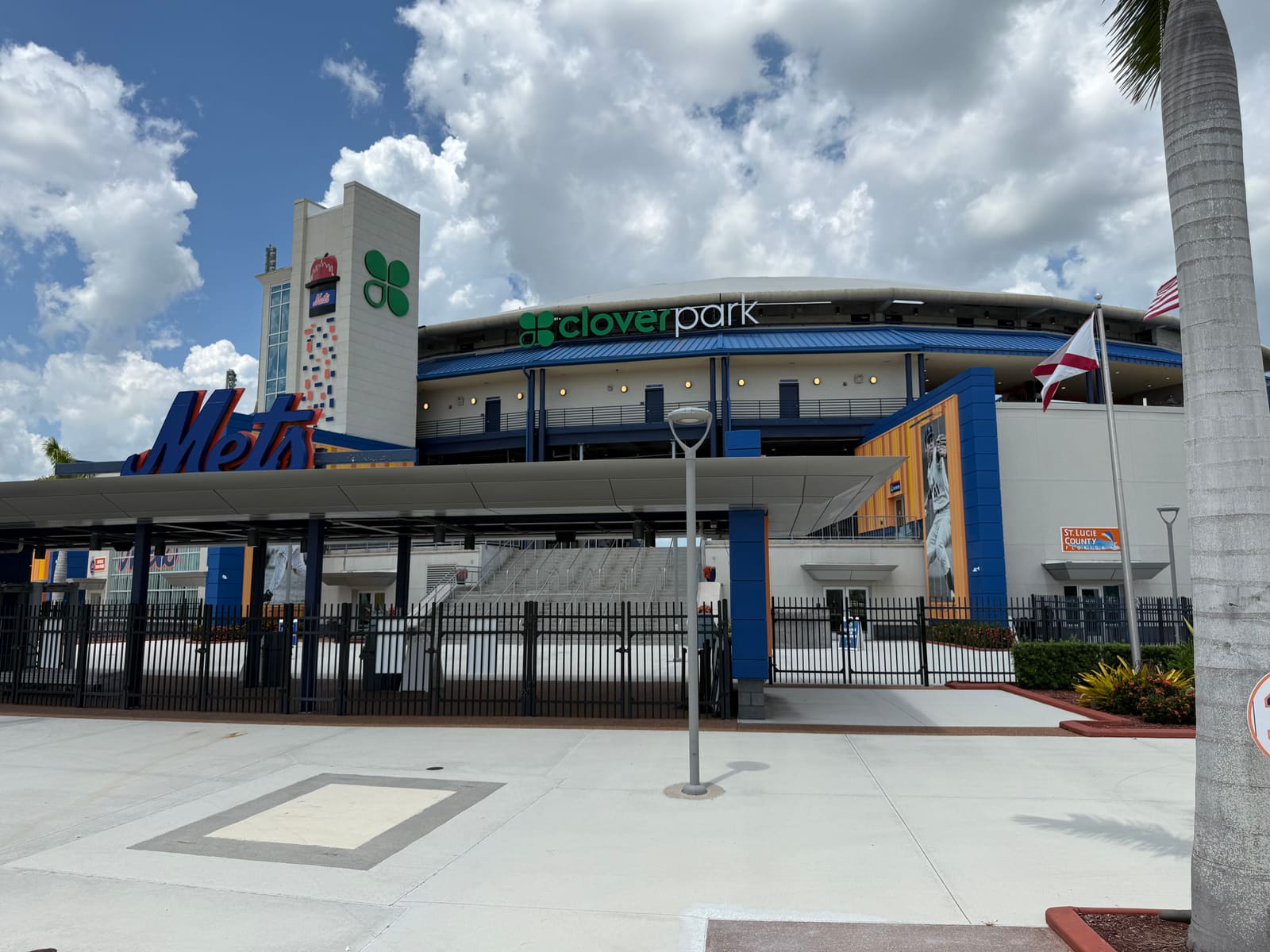
Clover Park is here — the spring-training home of the New York Mets and the regular-season home of the St. Lucie Mets. If you want things already built rather than coming soon, this is where to look. Traffic gets heavier during commuting hours, through the winter season and around major events at Clover Park, so drive your regular routes before you buy.
Tradition
The flagship master-planned community out west, organized around Tradition Square — restaurants, shops, community events and public gathering space in a genuinely more walkable setting than most of the city offers. The broader area takes in numerous residential communities, healthcare facilities, parks, trails, businesses and continuing development.
Not every neighborhood carrying the Tradition name is within walking distance of the square. Evaluate the individual community rather than assuming every property has the same access to shopping and events. Construction and expansion continue throughout, which brings new conveniences alongside changing traffic and temporary disruption. Our neighborhood guide compares the communities inside it.
PGA Village
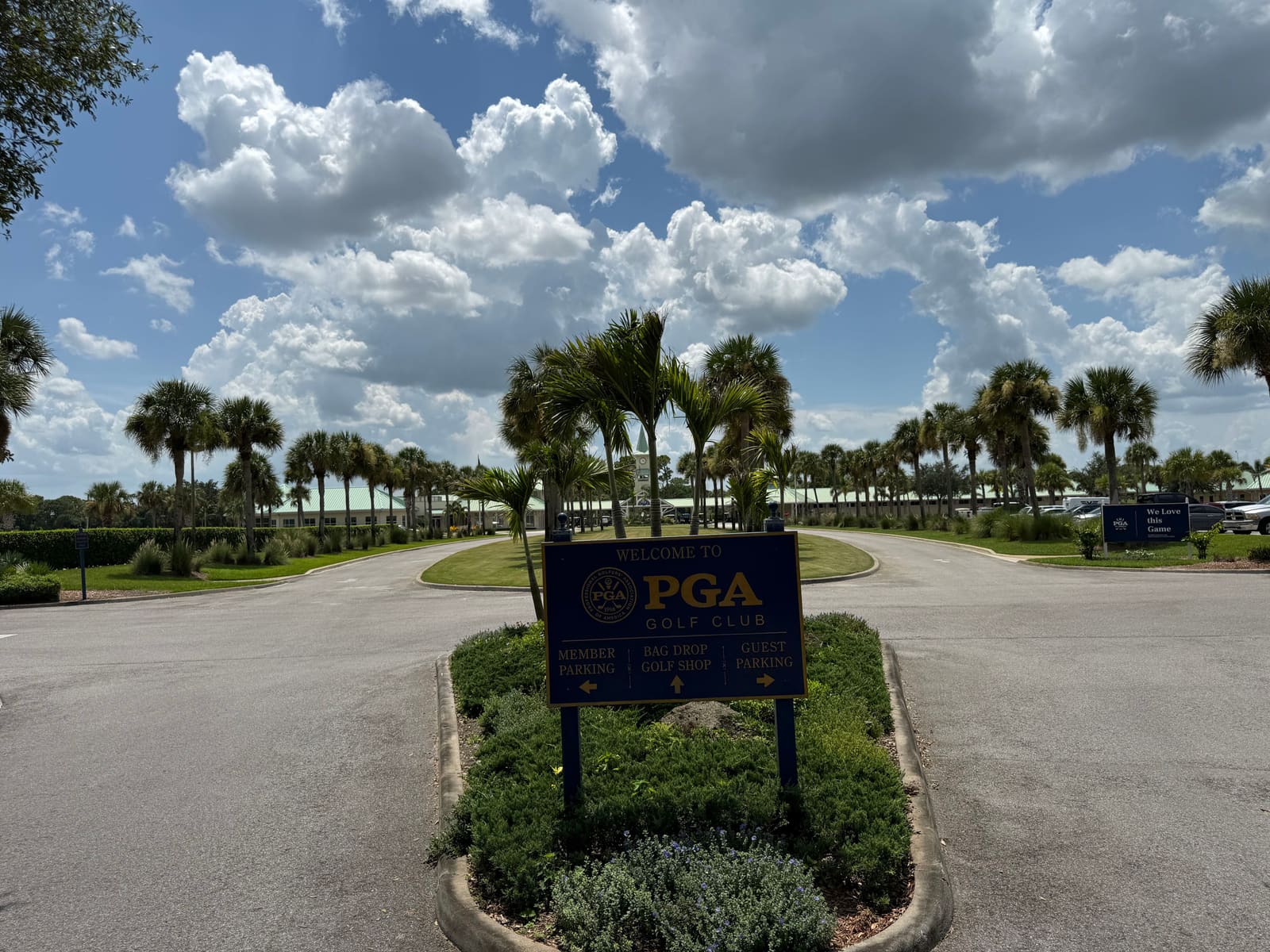
One of the city's major golf destinations. PGA Golf Club runs three championship courses — two by Tom Fazio, one by Pete Dye — plus a short course and extensive practice and instruction facilities. The wider PGA Village area holds several residential neighborhoods offering single-family homes, villas and condominiums, rather than one uniform community.
A PGA Village address does not by itself mean golf membership is included or mandatory. Fees, access and ownership obligations vary between communities, so confirm the association, amenities and membership structure attached to the specific property.
The Port District
The one most residents still have not caught up with. This is the city's riverfront destination along the North Fork of the St. Lucie River, taking in Pioneer Park, public gathering space, waterfront access, boardwalks, kayak access and event areas. It opened in June 2024, and development within it continues.
The Grove is planned as its dining and entertainment component. Concepts, opening dates and construction schedules move, so verify the current picture with the city rather than an early announcement.
For a city that historically turned its back on its own river, this is the most significant change to how Port St. Lucie works socially — a central gathering place in a city that has never had a downtown waterfront.
Walton and One, and the US-1 Corridor
The eastern side runs along the US-1 and Walton Road corridors. Walton and One is a planned 46-acre mixed-use redevelopment there, intended to bring restaurants, retail, residential space, public areas and pedestrian and bicycle connections. It sits near the existing MIDFLORIDA Credit Union Event Center, and a 6,000-seat professional soccer stadium is planned as its anchor.
Because this is a multi-year project, separate what exists today from what is approved and what remains proposed. The eastern side also gives relatively convenient access to Jensen Beach, Stuart, the US-1 businesses and the routes toward Hutchinson Island.
The Broader Residential Grid
Beyond the named districts, most of Port St. Lucie is an enormous grid of established residential streets — the bulk of the city's housing and its most attainable pricing. Expect older and newer single-family homes, non-HOA properties, larger suburban lots, homes with private pools, properties with room for a boat or RV where permitted, and a mix of public utilities, wells and septic systems.
Two neighborhoods that look identical on a map can differ in utility arrangement, road access, property age and what is being built nearby. The specific address matters more than the district name.
What the Growth Means for Where You Buy
In a city adding this much at once, the parcel next to you has a future, and it is worth knowing what it is.
Vacant land in Port St. Lucie is rarely vacant permanently. Before committing to a house, check what is approved or planned nearby — that empty stretch behind the back fence may be a road extension, a school or a commercial center. The city publishes development activity, and it is a fifteen-minute check that occasionally changes a decision entirely.
This cuts both ways. Being near something that is coming can be an advantage as easily as a nuisance: proximity to a planned retail center or entertainment district is a very different proposition from proximity to a planned arterial road.
The Roads That Matter
I-95 and Florida's Turnpike both run through, which is why the city is better connected than its inland position suggests. US-1 runs north to south on the east side. The Crosstown Parkway is the key east-west connector, and the road that most changed how the city moves.
The practical point: this city is big enough that where you live determines your entire daily experience. A home in Tradition and a home off US-1 sit in the same city and share almost no daily routine. Pick your district around your actual commute and errands, not around a floor plan.
The Local Rhythm
Daily life orbits schools, parks and youth sports — the city's parks and recreation network is genuinely extensive and one of the more underrated things about living here.
Spring means Mets baseball. Weekends mean Tradition Square events, the river, or a drive to the coast. Beach days mean heading east to Fort Pierce or Hutchinson Island, which is a real drive rather than a quick hop.
The Local Calendar
Winter and spring bring the best weather and the busiest stretch, with spring training filling St. Lucie West restaurants for several weeks.
Summer is hot, humid and stormy, with afternoon storms that build and clear. It is quieter, and the time locals schedule anything non-urgent — contractors included.
Hurricane season runs June through November. Know your evacuation zone and keep supplies. Drainage and canal infrastructure is extensive, though what that means for any given address is a question for our cost of living guide.
The Unwritten Rules
- Plan your routes. The city is enormous and crossing it takes real time, so locals batch errands by district.
- Expect construction. Roads are perpetually under work as the city catches up with itself. Build it into your timing rather than being surprised by it.
- Know your district's identity. St. Lucie West, Tradition, PGA Village and the Port District genuinely feel different. Newcomers who say "I live in Port St. Lucie" get asked "which part?" for a reason.
- Learn the river. A surprising number of residents live here for years without ever discovering the North Fork. Don't be one of them.
Septic, Sewer, and a Question Worth Asking Early
One piece of local infrastructure genuinely affects buyers and almost never comes up on a tour.
Because Port St. Lucie was platted as an enormous grid long before it filled in, a large number of homes here were built on septic systems rather than city sewer. The city has been running a septic-to-sewer conversion program to connect those properties, both to protect the shallow water supply and to improve the health of local waterways, and its low-pressure wastewater collection system has grown into the largest of its kind in the country.
What that means practically:
- Ask whether a specific address is on septic or city sewer. It varies enormously across the grid and it is not obvious from the street.
- Ask whether it sits in a planned conversion area, and what the connection cost would be.
- Understand the financial options. The city has offered grants covering the full connection cost for households that income-qualify under state guidelines, and a ten-year interest-free payback arrangement for those who do not. Grants are first-come, first-served and funding is limited.
None of this is a reason to avoid a house. It is a reason to know the answer before you make an offer rather than after. Confirm current program terms and the status of a particular address directly with the city's utility department.
Getting Around and Out
President Donald J. Trump International Airport is roughly an hour south depending on traffic; Orlando is about two hours north. I-95 and the Turnpike make both straightforward.
The Palm Beach County commute is the thing to be realistic about. It is a long haul, particularly in the morning. Plenty of residents do it happily. The ones who regret it are the ones who did not drive it before buying.
Settling In
Pick your district first, and pick it around your actual daily routine rather than the house. Then lean into what the city does well — the parks network, the river, Tradition Square events, and the sheer amount of space your money buys.
And pay attention to what is under construction near you. In a city changing this fast, the empty parcel down the road is a question worth asking about before you sign.
Community Guide
Neighborhoods, schools, prices, and lifestyle — all in one place.
Port Saint Lucie Market Trends
Live data from the local MLS.
Thinking about Port St. Lucie?
We're local experts — let's find the right home for your move.
Homes for Sale in Port St. Lucie
Single-family homes $500k+, updated daily.
Free — August 2026 St. Lucie County Numbers
Houses Are Tight Here. Condo Buyers Still Have Choice.
In August 2026, houses sold at 95.5% of asking in 54 days, so there was less room than most buyers expect. Condos ran 7.6 months of supply and 82 days, which is a different negotiation entirely. Both sets of numbers, in one free PDF.
Free instant PDF · No obligation · See what's inside →
Frequently Asked Questions
What are the main districts of Port St. Lucie?
St. Lucie West is the established hub with Clover Park and the densest retail. Tradition is the master-planned community with its own town square. PGA Village anchors golf to the south. The Port District is the riverfront redevelopment area along the St. Lucie River. The Walton Road and US-1 corridor is the planned stadium area. Beyond those, most of the city is a large residential grid.
What is the Port District in Port St. Lucie?
The city's riverfront redevelopment area along the St. Lucie River, near Pioneer Park. It already has boardwalks, kayak launches, event space, and playgrounds, and it's where The Grove dining and entertainment district is being built — a significant change for a city that has historically turned away from its own river.
What are the main roads in Port St. Lucie?
I-95 and Florida's Turnpike both run through the city, US-1 runs north-south on the east side, and the Crosstown Parkway is the key east-west connector. Because the city is so large, where you live determines your daily driving experience more than in most places.
How far is Port St. Lucie from the airport?
President Donald J. Trump International Airport is roughly an hour south depending on traffic, and Orlando is about two hours north. I-95 and the Turnpike make both straightforward.
Is it hard to get around Port St. Lucie?
It's not congested in the way a dense city is, but it's physically enormous and crossing it takes real time. Residents batch errands by district. Ongoing road construction as the city expands is a constant factor to build into your timing.
How far is Port St. Lucie from the beach?
About 20–30 minutes east to the beaches at Fort Pierce or Hutchinson Island. The city itself is inland.
Keep Reading
This article is provided by DO Homes Group at Premier Brokers International for informational purposes only and does not constitute legal, financial, tax, or investment advice. Market statistics, pricing, availability, HOA fees, and community details change frequently and may have changed since publication. School assignments, boundaries, and ratings may change — verify all school information directly with the appropriate school district, and consult official public safety resources for any crime data relevant to your search. Verify all details independently and consult the appropriate licensed professionals before making any real estate decision. DO Homes Group is committed to Equal Housing Opportunity and does not discriminate on the basis of race, color, religion, sex, handicap, familial status, or national origin.