
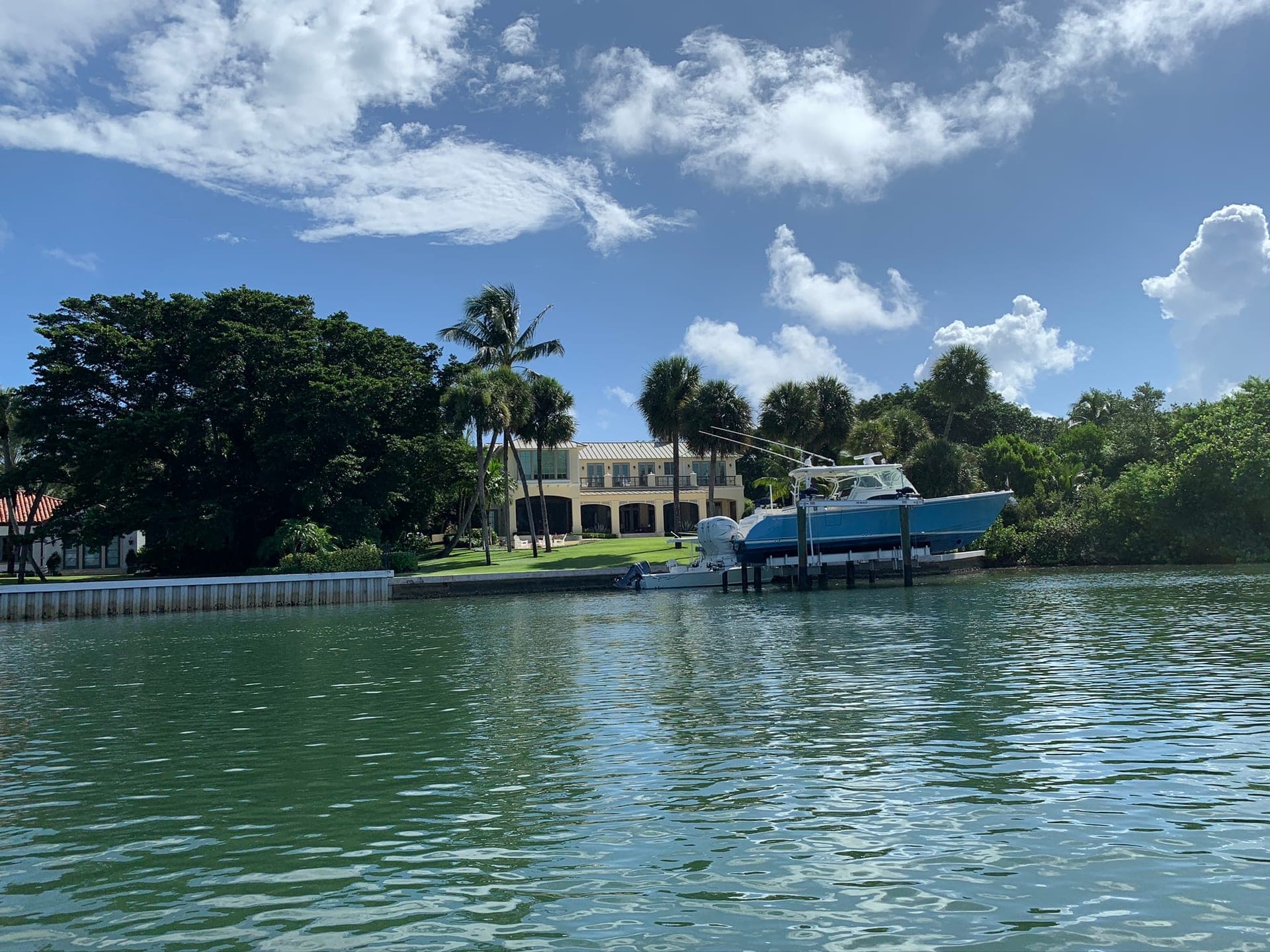
Best Neighborhoods in Stuart, Florida
Choosing where to live in Stuart begins with one distinction: are you searching inside the incorporated City of Stuart, or across the broader Stuart area?
Many communities marketed with Stuart are legally separate municipalities or unincorporated parts of Martin County. That difference reaches property taxes, police and public services, zoning, utilities, rental regulations, boat and RV storage, historic-preservation rules, permitting, and flood and evacuation planning.
So the best choice depends less on a neighborhood ranking than on the lifestyle, the property type and the level of water access you actually want. For boaters, the search starts with the route between the dock and open water. For non-boaters, walkability, maintenance, community structure and price matter far more.
The Areas at a Glance
- Sewall's Point: a separate incorporated town on the peninsula east of downtown, with established homes, larger lots in many sections, and both waterfront and interior properties.
- North River Shores: unincorporated, north of the St. Lucie River, running from interior homes to canal-front and riverfront, with water access that varies lot to lot.
- Rocky Point: unincorporated, beside Port Salerno and Manatee Pocket, boating-oriented, with parts offering relatively direct access toward the St. Lucie Inlet.
- Snug Harbor and Krueger Creek: smaller canal-front and riverfront pockets near downtown, where the water is often the asset rather than the house.
- Historic downtown: inside the city, with cottages, bungalows, townhomes and condominiums near the Riverwalk and more than 50 shops, restaurants and galleries.
- East Stuart: inside the city, southeast of downtown, with older homes and a historic district listed on the National Register in July 2026.
- Hutchinson Island: the barrier island, with oceanfront and riverfront condominiums and homes spread across several jurisdictions.
- Ocean Breeze: a very small incorporated town near Jensen Beach with roots in manufactured-home living.
- Inland Stuart: no private dockage, the most attainable prices in the area, and the same county services and school district.
Manufactured-home and age-restricted communities are covered further down as ownership types rather than places. Each area gets its own section below, after two things that decide more than the neighborhood name does: the municipality and, for boaters, the route to the inlet.
Start With the Municipality
A Stuart mailing address does not mean a property is inside the City of Stuart. The broader market takes in the city itself, the Town of Sewall's Point, the Town of Ocean Breeze, unincorporated North River Shores, unincorporated Rocky Point and Port Salerno, Jensen Beach, Hutchinson Island, Palm City and the rest of unincorporated Martin County.
Before comparing two homes, use the Martin County property-information system and the municipal maps to establish where each one actually sits. Do not rely on the mailing city in a listing.
For Boaters: The Property Is Only Half the Purchase
A waterfront home can have a private dock and still be unsuitable for the boat you intend to keep there. Before you evaluate the kitchen, establish depth at the dock, depth along the route, tidal limits, fixed bridges, drawbridges and their opening schedules, vertical clearance, canal width, dock dimensions, lift capacity, seawall condition, distance to the inlet, and the no-wake and slow-speed zones.
Two vessel measurements govern all of it. Draft is how far the boat extends below the waterline. Air draft is the height from the waterline to its highest fixed point. A boat can fit beside the dock and be unable to clear a bridge. Another property can have an open route and too little water at low tide.
Do Not Rely on "Ocean Access"
"Ocean access" is a marketing phrase. It can mean no fixed bridges, one or more drawbridges, fixed bridges that work for smaller boats, a shallow route that depends on the tide, a long trip through no-wake zones, or access that is practical only for certain vessels.
Ask for the exact route from the property to the St. Lucie Inlet, then verify it for your boat against current charts, bridge-clearance data and tide tables, with a marine surveyor or a qualified local captain, by direct observation, and with dock and lift inspections. The seller's boat using the property successfully does not prove that yours will. Buyers who get this right pay for exactly the access they need. Buyers who get it wrong either overpay for capability they will never use or buy a dock they cannot use at all.
Sewall's Point
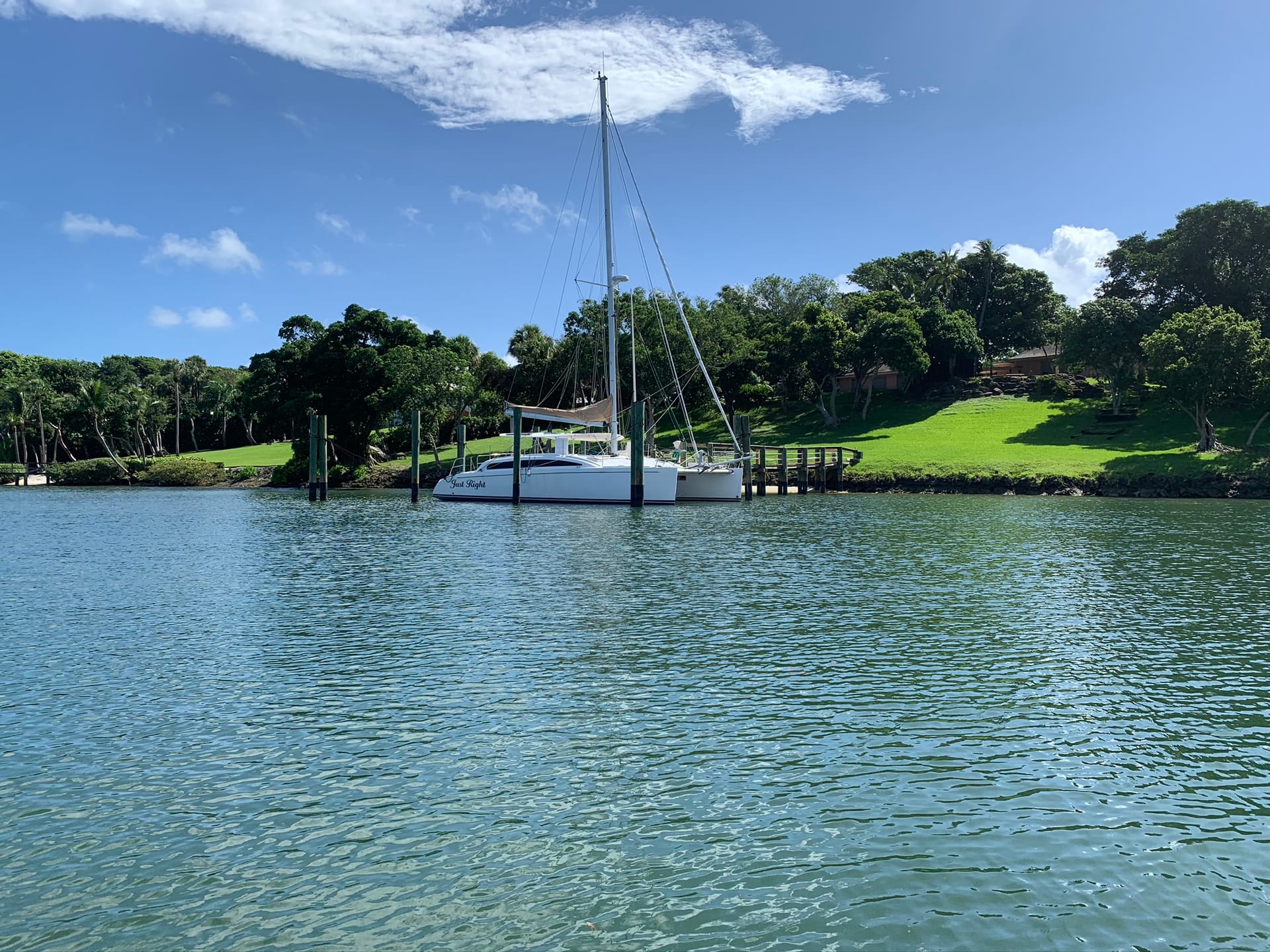
Sewall's Point is one of the best-known addresses associated with Stuart, and it is not part of the City of Stuart. It is a separately incorporated town on the peninsula east of downtown, between waters connected to the St. Lucie River and the Indian River Lagoon, known for mature landscaping, established homes, larger lots in many sections, a mix of waterfront and interior properties, and a primarily residential character close to downtown and the beaches.
Waterfront conditions differ from one side of the peninsula to the other and from lot to lot. Verify depth, exposure, dock permits, seawalls, bridges, the inlet route, the flood zone and the town's own taxes and rules. Not every Sewall's Point property is waterfront, and not every waterfront lot offers the same navigability.
It suits buyers who want a residential peninsula setting, mature neighborhoods, larger lots and waterfront options near downtown and the beaches. Weigh the separate town government and taxes, older housing in some sections, flood and storm exposure, property-specific boating access, insurance and maintenance costs, and the near absence of commercial activity inside the town.

Free — August 2026 Martin County Numbers
Martin County Houses Are Selling Three Weeks Faster
In August 2026, houses went under contract in 56 days, down from 77 a year ago, and what is for sale dropped by more than a fifth. The typical house sold for $656,900. Every number is Martin County — Stuart, Palm City, Hobe Sound and Port Salerno — not Palm Beach County.
North River Shores
North River Shores is an established unincorporated community north of the St. Lucie River and west of the Roosevelt Bridge. It is not inside the city, though most properties carry Stuart mailing addresses. Housing runs from interior single-family homes and older ranch houses to canal-front and riverfront properties, renovated homes, association sections and non-waterfront homes near boating facilities.
It has long drawn buyers who want an established neighborhood near downtown, US-1 and the river, and its water access varies enormously. One listing has direct river frontage, the next a canal behind a fixed bridge, shallow water, a longer run to the inlet, or no dock at all. Many properties offer workable access without Sewall's Point pricing, and that is the appeal.
It suits buyers who want an established neighborhood with both waterfront and dry options, Stuart-area shopping and downtown nearby, renovation potential and a less formal setting than a gated community. Weigh the unincorporated jurisdiction, property-specific association rules, bridge clearance and canal depth, older roofs and systems, flood insurance, and traffic near US-1 and the bridge.
Rocky Point
Rocky Point is an unincorporated waterfront community south of Stuart beside Port Salerno and Manatee Pocket. It is not within the city. Boaters look here because parts of it offer relatively direct access toward the St. Lucie Inlet, and the housing is varied: older single-family homes, renovated waterfront, canal-front houses, interior lots, non-HOA streets and private docks.
"Close to the inlet" still has to be evaluated property by property. No-wake zones, canal location, tide, bridges and the boat's cruising speed all decide the actual trip. We cover the peninsula in detail in our Rocky Point buyer's guide.
It suits buyers who want a boating-oriented community, Manatee Pocket nearby, private-dock possibilities, an established and varied neighborhood, and non-HOA options. Weigh the unincorporated jurisdiction, mixed housing ages and condition, marine and commercial activity nearby, flood and insurance exposure, canal and seawall maintenance, and the different routes to open water within the same neighborhood.
Snug Harbor and Krueger Creek
Snug Harbor, Krueger Creek and the smaller riverfront pockets around them are another version of Stuart waterfront: canal-front homes, river access, older residences, private docks and established streets close to downtown or the main roads. The house is often modest and the water is the asset.
Verify the municipal boundary and the boating route for each address. Some of these streets sit behind bridges or shallow water; others have a more direct route.
They suit buyers who want a smaller waterfront neighborhood, an established home, a private dock and a quieter setting near downtown. Weigh the limited inventory, older systems, canal depth and clearance, seawall and dock condition, flood exposure and any neighborhood-specific restrictions.
Historic Downtown Stuart and the Nearby Streets
Downtown is a different product from the boating neighborhoods. The city describes its historic center as more than 50 locally owned shops, restaurants and galleries beside the St. Lucie River and the Riverwalk, and the surrounding streets offer historic cottages and bungalows, smaller single-family homes, townhomes, condominiums and infill, reachable on foot, by bicycle or on the city's free tram.
The city continues to document and preserve its historic resources, and the Stuart Community Redevelopment Area, created in 1986, covers downtown and the historic neighborhoods beside it, including Frazier Addition and Potsdam. You are buying walkability here, not dockage, and it appeals to people without a boat at all, which in this town is a smaller pool and worth knowing on both sides of a transaction.
It suits buyers who want walkability, restaurants and shops at hand, Riverwalk access, historic character, community events, and a smaller or lower-maintenance home. Weigh older electrical, plumbing and roofs, historic-preservation requirements, limited private parking, event and railroad noise, flood exposure, small lots and scarce private dockage. Get a proper inspection rather than a reassuring one.
Walkability depends on the exact address. A property with a Stuart mailing address several miles from downtown is not walkable because it shares the name.
East Stuart
East Stuart is a historically significant neighborhood southeast of downtown. The city identifies it as Stuart's most prominent historically Black community, platted as Lincoln Park in 1913 and renamed East Stuart in 1964. It holds historic resources, single-family homes, churches and community institutions close to downtown, with ongoing public and private reinvestment.
On July 29, 2026, the East Stuart Historic District was listed on the National Register of Historic Places, announced by the city the following week as the conclusion of a multi-year nomination effort led by its redevelopment agency. Evaluate each property and block individually, including zoning, existing uses and nearby redevelopment plans.
It suits buyers who want proximity to downtown, a historic community context, older homes, renovation opportunities and city services. Weigh property condition, the implications of historic-district status, nearby land uses, active redevelopment, railroad and road proximity, and flood and drainage conditions.
Hutchinson Island
Hutchinson Island is the barrier island east of Stuart, with oceanfront and riverfront property, and it is not one Stuart neighborhood. Different stretches fall under different municipalities, counties and unincorporated jurisdictions. Housing includes oceanfront and riverfront condominiums, single-family homes, gated communities, seasonal residences, properties with marina access and communities with golf or recreation amenities.
It suits buyers who want direct beach access, ocean or river views, condominium living, seasonal or lock-and-leave ownership, resort-style amenities and barrier-island life. Weigh wind and salt exposure, evacuation orders that come first, flood and storm-surge risk, bridge dependence, association fees, insurance, special assessments, building age, and the structural inspections and reserve funding behind the fees. Martin County adopts the FEMA flood maps and participates in the National Flood Insurance Program, and the risk and the insurance requirement still have to be checked for the individual property.
Condominium Due Diligence
A Florida condominium buyer should read far more than the monthly fee: the current budget, financial statements, reserve schedule, Structural Integrity Reserve Study, milestone-inspection reports, engineering reports, insurance, recent minutes, pending litigation, special assessments, planned capital projects, and the rules on rentals, pets and renovations.
Florida generally requires a Structural Integrity Reserve Study for residential condominium buildings of three or more habitable stories, repeated at least every ten years. Milestone inspections are a separate requirement, sometimes done at the same time. Do not ask only whether an inspection was completed. Ask what it found, which repairs were recommended, whether contracts were signed, how the work is funded, whether reserves went up, whether an assessment is likely and whether the insurance changed. A well-maintained building with higher fees may be far healthier than one advertising low fees and thin reserves.
Ocean Breeze
Ocean Breeze is a very small incorporated town near Jensen Beach with its own municipal government and a housing history rooted in manufactured and mobile-home living. It is not a Stuart neighborhood. Today's housing mixes older and newer property types depending on the section and its redevelopment history.
It suits buyers who want a small incorporated community, proximity to Jensen Beach and Stuart, and lower-maintenance living. Weigh municipal taxes and services, ownership structure, community fees, flood exposure, property type, financing, insurance, and rental and occupancy rules. Confirm whether you would own the underlying land or hold some other form of interest.
Manufactured-Home Communities
Manufactured-home communities are another route into the Stuart-area market and frequently the most attainable one, and the ownership structures differ. A buyer may purchase a home on an owned lot, a home on leased land, a cooperative interest, membership in a resident-owned community, or a structure subject to monthly lot rent. Those are financially and legally different things.
Before purchasing, confirm whether land is included, the lot rent and its increase history, the community's financial condition, the age and wind standard of the home, insurance availability, financing options, resale restrictions, pet rules, occupancy requirements, storm history and evacuation planning. Never compare the purchase price of a land-lease home directly with a fee-simple house without accounting for the continuing land expense.
Age-Restricted Communities
The Stuart area has communities operating under the federal housing-for-older-persons rules: condominiums, manufactured-home communities, villas, townhomes and single-family neighborhoods, with amenities and maintenance responsibilities that vary widely. They are a legitimate and often excellent option, with lower maintenance and a built-in social structure.
Before purchasing, review the minimum-age requirement, occupancy rules, the rules for younger spouses or residents, guest restrictions, association fees, what maintenance is included, rental limits, reserve funding, pet restrictions, parking and the recreational facilities. Age-restricted does not mean assisted living, and it does not mean healthcare is provided.
Inland Stuart and the Nearby Mainland
Buyers who do not need private dockage have broader choices inland: single-family homes, townhomes, villas, condominiums, gated communities, non-HOA streets, older neighborhoods and newer infill, at the most attainable prices in the area and inside the same county services and school district.
Buying inland removes the waterfront premium and some marine-maintenance exposure. It does not automatically mean a location outside a flood zone, lower insurance, newer construction, no HOA, better value or an easier commute. Each property still has to be evaluated on its own.
Keeping the Boat at a Marina
Some buyers take the inland house and keep the boat at a marina, which avoids seawall replacement, dock repair, lift maintenance, dredging worries, waterfront landscaping and some storm preparation. Marina costs include monthly or annual slip rent, electricity, water, storage, haul-out fees, access restrictions, insurance requirements, waiting lists and minimum lease terms.
There is no universal rule that a slip costs less than the price gap between a waterfront and an inland home. Run both options with current property prices and actual marina availability.
A Better Order for Choosing
1. Decide whether private water access is essential. Without a boat, prioritize walkability, beach access, amenities, lot size, maintenance, proximity to work and price. A view may still matter; a private dock will provide little practical value. 2. Identify the vessel. Record length, beam, draft, air draft, weight and lift requirements. Those numbers eliminate properties before price becomes relevant. 3. Choose private dockage or a marina. Compare the waterfront premium, insurance, flood exposure, seawall and dock maintenance, lift installation and upkeep, marina rent, travel time to the boat, slip availability and convenience. 4. Confirm the jurisdiction. Stuart, Sewall's Point, Ocean Breeze, unincorporated Martin County, or another municipality or county, and compare the taxes, services and regulations. 5. Review the complete ownership cost. Property taxes after purchase, homeowners and flood insurance, association or condominium fees, assessments, utilities, maintenance, dock, seawall and lift expenses, marina costs and commuting. Two homes at the same price can carry very different annual costs, and our cost of living guide works through them.
What to Verify Before Buying
For every property, confirm the municipality and county, property taxes, zoning, future land use, utility providers, flood zone and elevation, insurance quotes, association or condominium obligations, rental rules, roof and major systems, nearby development, commute and traffic, and school assignment where relevant.
For waterfront property, also confirm water depth, low-tide conditions, bridge clearance, drawbridge schedules, dock permits, seawall condition, lift capacity, no-wake zones, the route to the inlet and current navigation conditions. For condominiums, review the milestone inspection, the reserve study, reserve balances, special assessments, insurance coverage, engineering reports and board minutes.
The Bottom Line
The Stuart area offers several distinct versions of coastal living: walkability near the historic downtown, private dockage in an established boating community, residential privacy in Sewall's Point, direct beach access on Hutchinson Island, lower-maintenance condominium living, an age-restricted community, a manufactured home, or an inland house with a separately rented slip.
No single neighborhood is best for everyone. The right choice depends on the property's actual jurisdiction, the form of ownership, the complete carrying cost and, when boating is involved, the route between the dock and the water you intend to use.
Start with how you expect to live. Then verify that the property can support it. Stuart rewards specificity.
Community Guide
Neighborhoods, schools, prices, and lifestyle — all in one place.
Stuart Market Trends
Live data from the local MLS.
Thinking about Stuart?
We're local experts — let's find the right home for your move.
Homes for Sale in Stuart
Single-family homes $500k+, updated daily.
Free — August 2026 Martin County Numbers
Martin County Houses Are Selling Three Weeks Faster
In August 2026, houses went under contract in 56 days, down from 77 a year ago, and what is for sale dropped by more than a fifth. The typical house sold for $656,900. Every number is Martin County — Stuart, Palm City, Hobe Sound and Port Salerno — not Palm Beach County.
Free instant PDF · No obligation · See what's inside →
Frequently Asked Questions
What is the best neighborhood in Stuart, Florida?
It depends first on jurisdiction and then on whether you need boat access. Sewall's Point is the premium residential address and a separate town; North River Shores and Rocky Point are the established boating neighborhoods, both unincorporated; downtown and East Stuart offer walkability and historic character inside the city; Hutchinson Island covers beachside condominiums and homes; and the inland mainland offers the most attainable single-family houses. Confirm which municipality an address actually sits in before comparing.
What should I check before buying a waterfront home in Stuart?
Property-specific things: bridge clearance and drawbridge schedules between the dock and the St. Lucie Inlet against your vessel’s air draft; water depth at the dock and along the route at low tide against its draft; realistic running time through the no-wake zones; and the seawall, dock permits and lift capacity. "Ocean access" can mean anything from unobstructed to usable only by small boats at high tide, so verify the exact route for your specific vessel.
Is Sewall's Point part of Stuart?
No. Sewall's Point is its own incorporated town with its own government, police department and taxes, on the peninsula between the St. Lucie River and the Indian River Lagoon. Buyers should confirm which municipality an address sits in — Stuart, Sewall's Point, Ocean Breeze, or unincorporated Martin County — because taxes, services and rules differ.
Where is the most affordable place to live in Stuart?
Inland mainland Stuart and the neighborhoods running toward Palm City and Port Salerno offer the most attainable single-family homes, without a waterfront premium and inside the same county services and school district. Manufactured-home and age-restricted communities are often more attainable still, with different ownership structures to check. Inland does not automatically mean outside a flood zone or cheaper to insure, so evaluate each property.
Is it better to buy a home with a dock or keep a boat at a marina in Stuart?
There is no universal answer. Owning water frontage brings the purchase premium plus seawall, dock and lift maintenance, while a marina slip converts most of that into rent, utilities, storage and haul-out fees, subject to waiting lists and lease terms. Run both options with current property prices and actual slip availability rather than assuming the slip is cheaper.
What should I know about buying a condo on Hutchinson Island?
Read the association documents, not the finishes: budget, reserves, the Structural Integrity Reserve Study that Florida requires for buildings of three or more habitable stories, milestone-inspection findings, insurance, minutes, litigation and planned assessments. Ask what the inspections found and how the work is funded. Barrier-island buildings carry wind, surge and evacuation considerations that flow straight into association costs.
Keep Reading
Communities below are grouped by objective characteristics — price range, property type, waterfront and golf access, HOA structure, lot size, and location. The best community depends on your individual goals, budget, lifestyle, and housing preferences. We encourage buyers to visit neighborhoods personally and independently verify any information important to their home search.
This article is provided by DO Homes Group at Premier Brokers International for informational purposes only and does not constitute legal, financial, tax, or investment advice. Market statistics, pricing, availability, HOA fees, and community details change frequently and may have changed since publication. School assignments, boundaries, and ratings may change — verify all school information directly with the appropriate school district, and consult official public safety resources for any crime data relevant to your search. Verify all details independently and consult the appropriate licensed professionals before making any real estate decision. DO Homes Group is committed to Equal Housing Opportunity and does not discriminate on the basis of race, color, religion, sex, handicap, familial status, or national origin.